A Historic Visit to the Sanctuary of Mama Muxima
Pope Leo’s recent visit to the Sanctuary of Mama Muxima in Angola marked a significant moment in the Catholic Church’s reflection on its historical role in the transatlantic slave trade. The shrine, located in the Angolan savannahs near the Kwanza River, has long been a place of pilgrimage for believers who claim to have witnessed the Virgin Mary’s apparition in 1833. However, the site holds a complex and painful history that dates back to the 16th century when it was originally constructed by Portuguese colonizers as part of a fortress complex.
The Church of Our Lady of Muxima became a central hub in the African slave trade during Portugal’s colonial rule. Enslaved Africans were gathered here to be baptized by Portuguese priests before being forced to walk over 110 kilometers (70 miles) to the port of Luanda, where they were loaded onto ships bound for the Americas. This grim chapter in history underscores the deep entanglement between the Catholic Church and the institution of slavery.
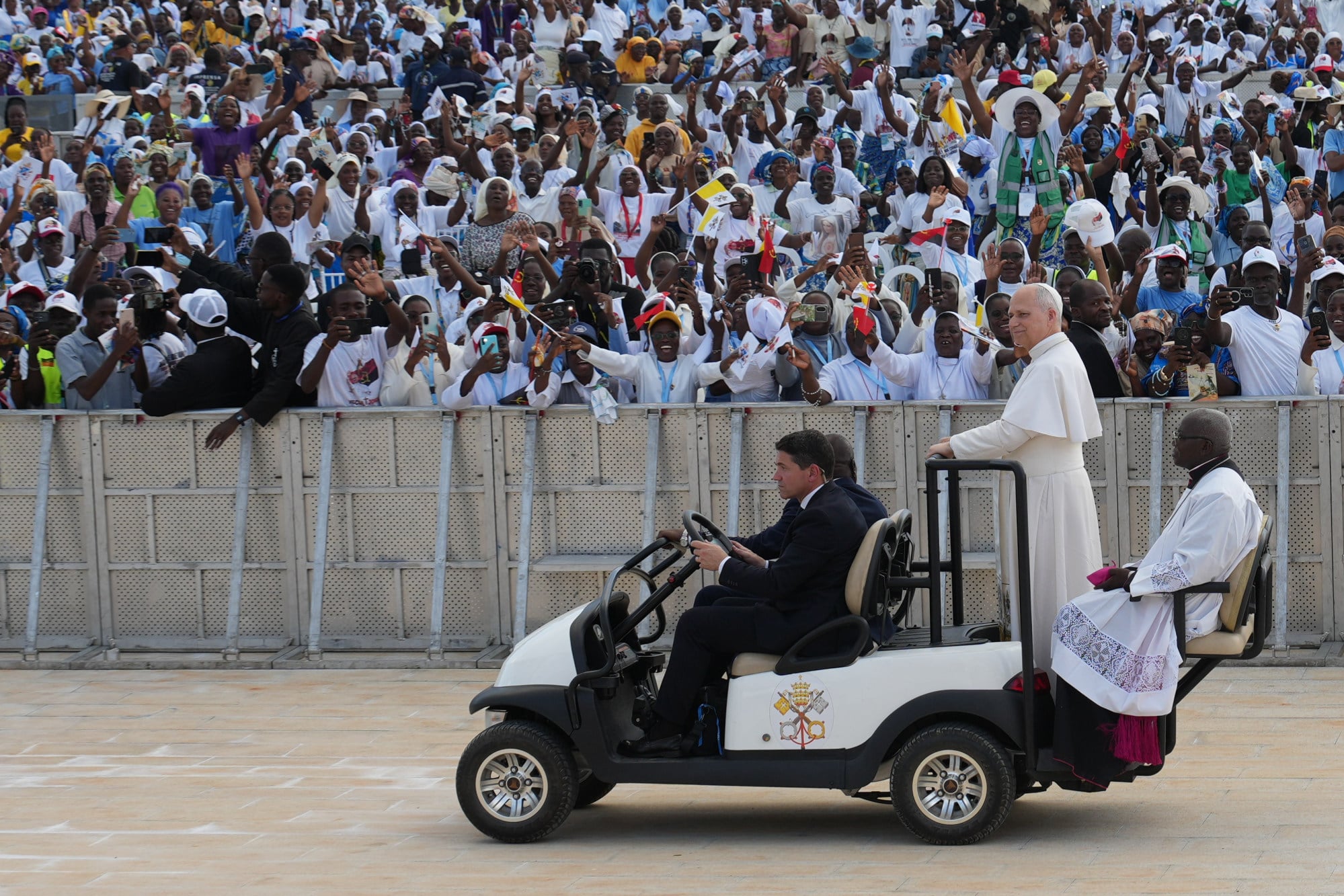
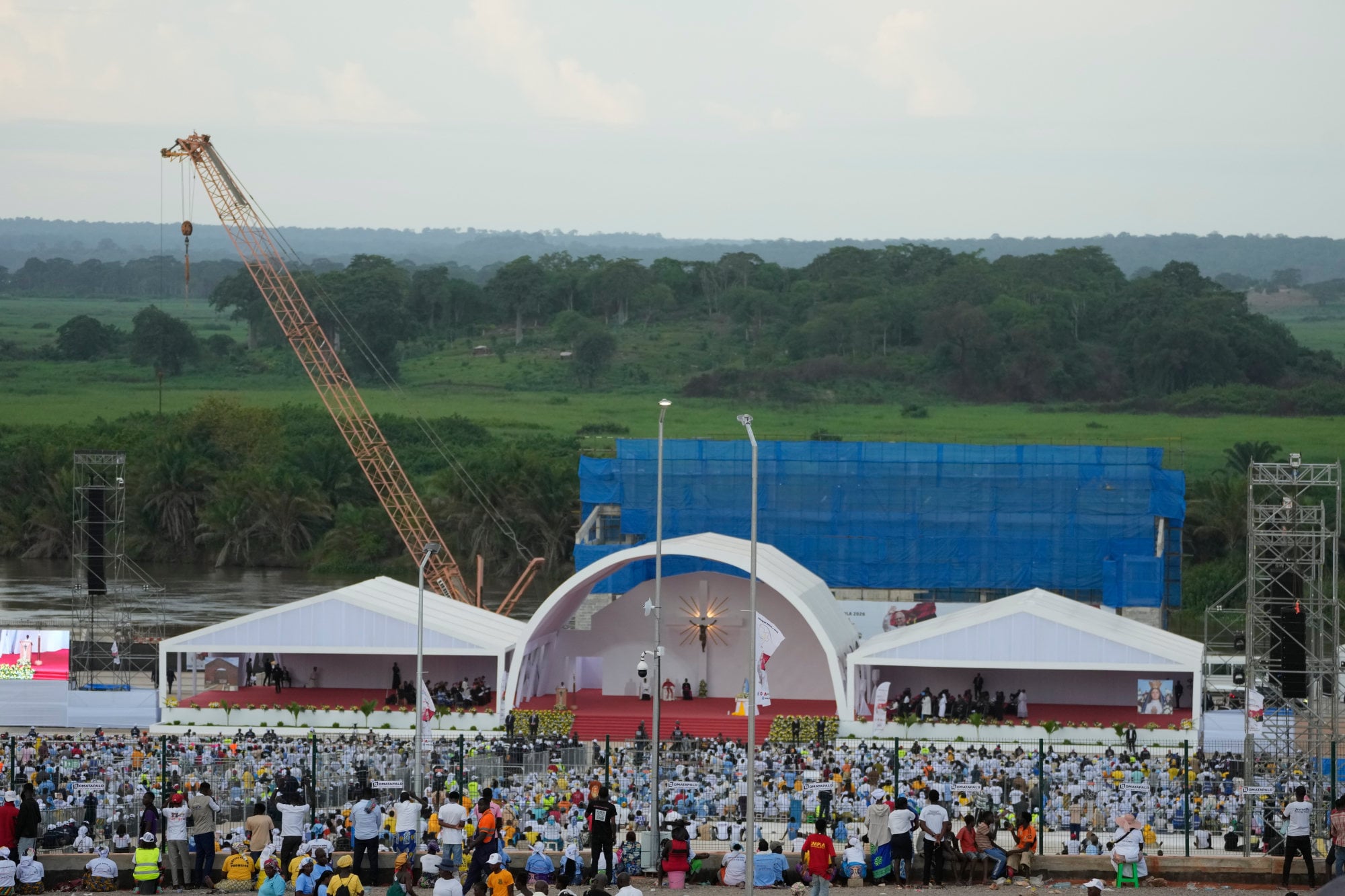
During his visit, Pope Leo prayed the Rosary at the sanctuary, a simple whitewashed church with blue trim and a statue of the Madonna inside. Speaking in Portuguese, he reflected on the “sorrow and great suffering” endured by Angolans over centuries, acknowledging the pain and resilience of the people who have called this land home. While he did not explicitly address the issue of slavery, his words resonated deeply with those who see the site as a symbol of both faith and suffering.
The Pope also urged the estimated 30,000 people gathered outside the sanctuary to work toward building “a better, more welcoming world, where there are no more wars, no injustices, no poverty, no dishonesty.” His message emphasized hope and the need for collective action to address global challenges.
The Catholic Church and the Legacy of Slavery
The history of the Muxima shrine is emblematic of the broader role the Catholic Church played in the transatlantic slave trade. Forced baptisms of enslaved individuals and the Church’s complicity in the system of slavery have been subjects of intense scrutiny and debate. Scholars argue that the Holy See has not fully acknowledged or atoned for its historical involvement in these atrocities.
Anthea Butler, a senior fellow at the Koch Centre, Oxford University, highlighted the significance of Pope Leo’s visit for black Catholics. She noted that many black Catholics trace their faith back to the era of slavery, when the “Code Noir” required slaves bought by Catholic owners to be baptized in the church. Others were already Catholic when they were trafficked from Angola to slaveholding colonies.
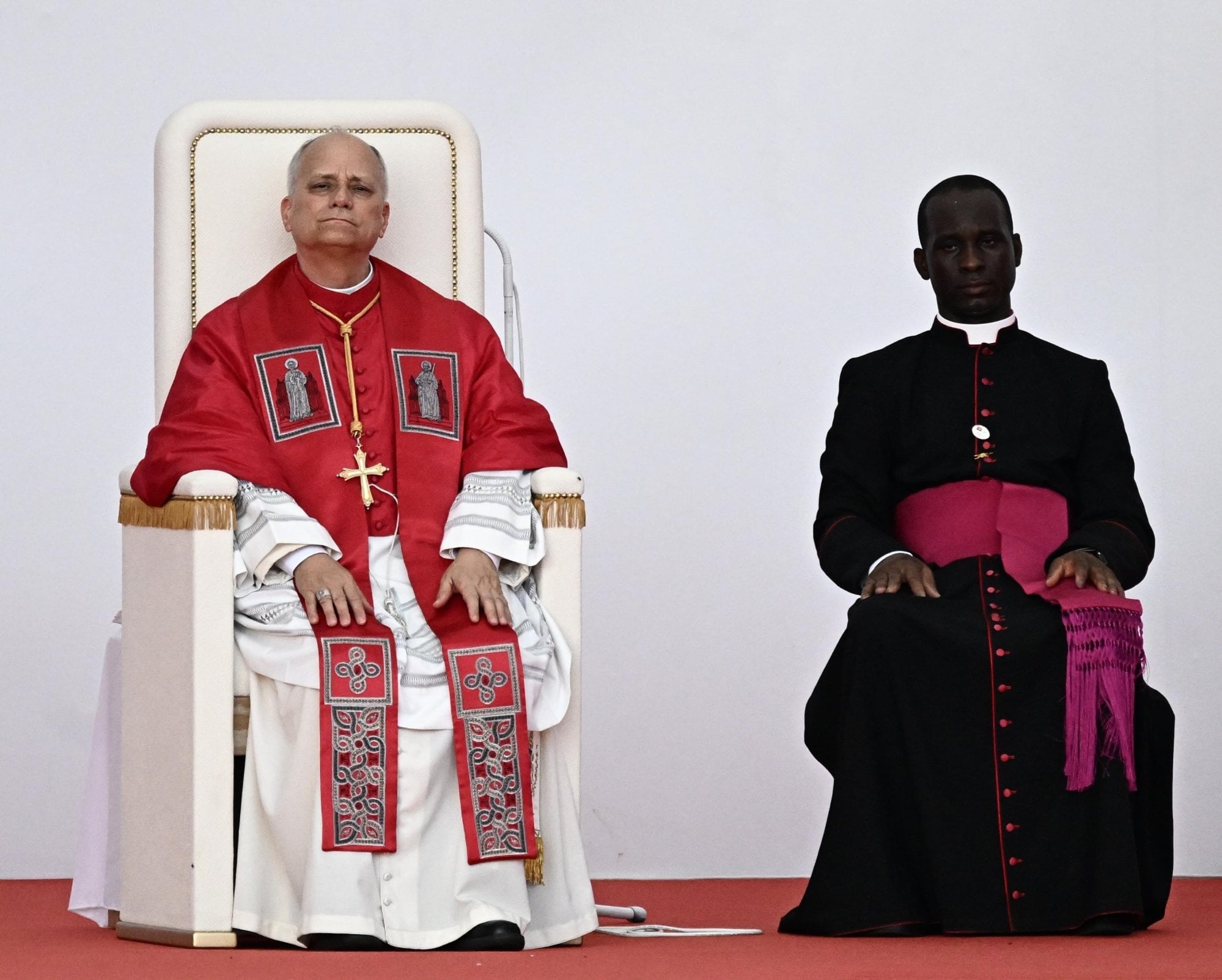
The Vatican’s role in legitimizing slavery can be traced back to the 15th century, when Pope Nicholas V issued the papal bull Dum Diversas in 1452. This document authorized Portuguese kings to invade, conquer, and subjugate non-Christians, including the right to reduce them to perpetual slavery. Another bull, Romanus Pontifex, issued three years later, laid the foundation for the Doctrine of Discovery, which justified the colonial seizure of land in Africa and the Americas.
While the Vatican formally repudiated the Doctrine of Discovery in 2023, it has never officially rescinded or rejected the bulls themselves. The Church maintains that a later bull, Sublimis Deus in 1537, reaffirmed the rights of indigenous peoples and prohibited their enslavement. However, historians like Reverend Christopher J Kellerman argue that the historical record shows otherwise.
The Broader Impact of the Slave Trade
The transatlantic slave trade had a profound impact on Angola, with more than 5 million people leaving the country via the transatlantic route—more than any other nation. Nearly half of the roughly 12.5 million African slaves sent across the ocean came from Angola. Most of these victims were sold into slavery by other Africans, though European colonizers also participated in the trade.
Kellerman noted that while Pope Leo XIII condemned slavery in two encyclicals in 1888 and 1890, the Church has continued to perpetuate the narrative that it always opposed slavery. He expressed hope that Pope Leo would acknowledge the Church’s role in the slave trade and offer a formal apology.
Pope John Paul II addressed the issue of slavery during his visits to Cameroon in 1985 and Goree Island in Senegal in 1992, asking forgiveness for the actions of Christians involved in the trade. However, he did not directly address the popes’ own role in the slave trade.
Genealogical research by Harvard University professor Henry Louis Gates Jnr revealed that 17 of Pope Leo’s American ancestors were Black, listed in census records as mulatto, Black, Creole, or free persons of color. His family tree includes both slaveholders and enslaved individuals, though the Pope has not publicly addressed this heritage.
Black Catholic scholars have been cautious about imposing a narrative on the Pope’s identity, emphasizing the importance of respecting his personal journey and perspective. Nevertheless, the visit to Muxima remains a powerful symbol of reflection, reconciliation, and the ongoing quest for justice.