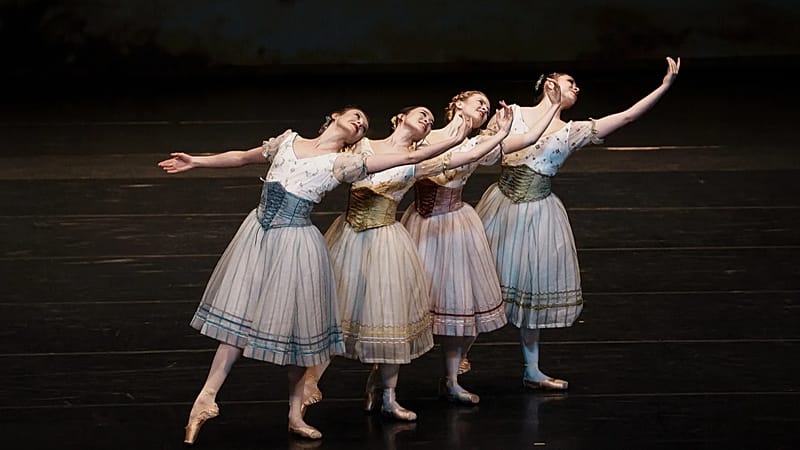
A Cultural Bridge Between Europe and Asia
Astana, the capital of Kazakhstan, has long been a city where art travels through. However, last week, it became a city where art stopped, as the Royal Danish Theatre made its debut in the region. This marked a significant moment in the cultural history of the city, as one of Europe’s oldest and most respected performing arts institutions brought its centuries-old stage tradition to the heart of Eurasia.
Founded in 1748, the Royal Danish Theatre is renowned for preserving one of the clearest classical ballet traditions in Europe. This tradition is deeply rooted in the work of August Bournonville, a 19th-century choreographer whose ballets have defined the identity of Danish ballet. His most famous work, La Sylphide, remains a staple in the repertoires of major companies across Europe and beyond, including Astana Opera, one of the leading theatres in the region.
During their visit, the Royal Danish Theatre presented a gala programme featuring 10 works that showcased the company’s diverse repertoire. The performance spanned different eras and styles, reflecting the blend of classical heritage and contemporary European choreography that defines the theatre’s artistic vision.
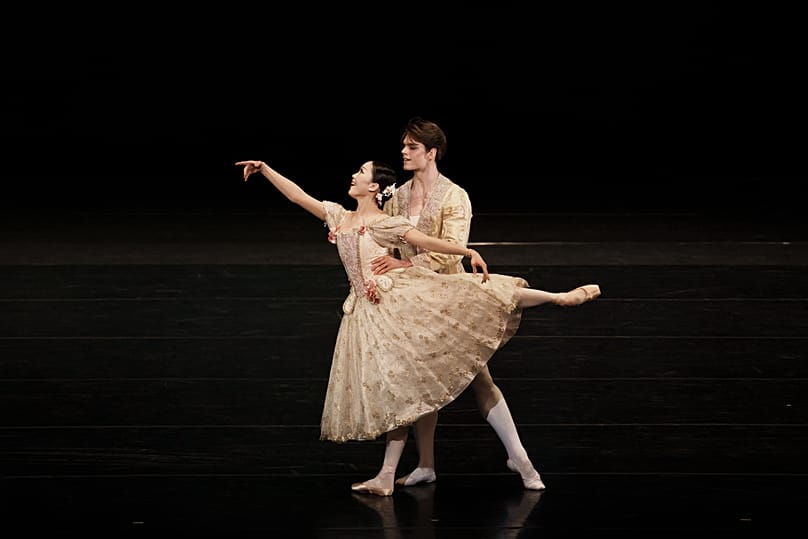
At the heart of the evening was the Bournonville tradition, with performances including The Jockey Dance, The Kermesse in Bruges, and Premier danseur pas de deux. These pieces highlighted the elegance and precision that have made Danish ballet a global reference point.
“We brought to Astana from Denmark our most precious cultural heritage – our elevated art,” said Royal Danish Theatre ballerina Beatriz Domingues. “It is a national treasure, which is why it is so important to present it to international audiences. We performed in Almaty last year, and we were deeply impressed by the enthusiasm and warm reception. It is a great joy for all of us to return to Kazakhstan.”
In contrast to the classical performances, guest artist Selene Muñoz brought a different energy to the stage. Her performance combined the intensity of flamenco with contemporary movement, offering a fresh perspective on dance.
“I’m really happy to be here in Astana and to share my work with the audience,” Selene Muñoz said. “This solo is very personal to me, as it brings together my Spanish roots and contemporary movement. It’s a way for me to express where I come from and how I move today.”
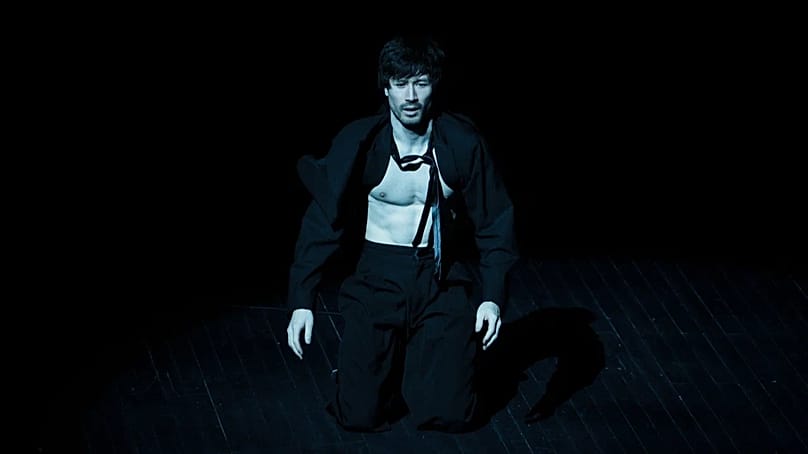
The visit also featured Meirambek Nazargozhayev, the first Kazakh-born member of the Royal Danish Theatre. Back on stage in his home country, he performed a solo titled Loneliness, set to Beethoven’s Moonlight Sonata.
Expanding Horizons Through Education
The Royal Danish Theatre’s visit was not limited to the gala performance. At the Kazakh National Academy of Choreography in Astana, dancers conducted masterclasses focused on the Bournonville tradition. These sessions provided students with an opportunity to engage with a different European classical approach, expanding their artistic perspectives.
In Kazakhstan, where the Russian ballet school remains the dominant training system, such exchanges are particularly significant. They offer students exposure to alternative techniques and philosophies, enriching their understanding of ballet.
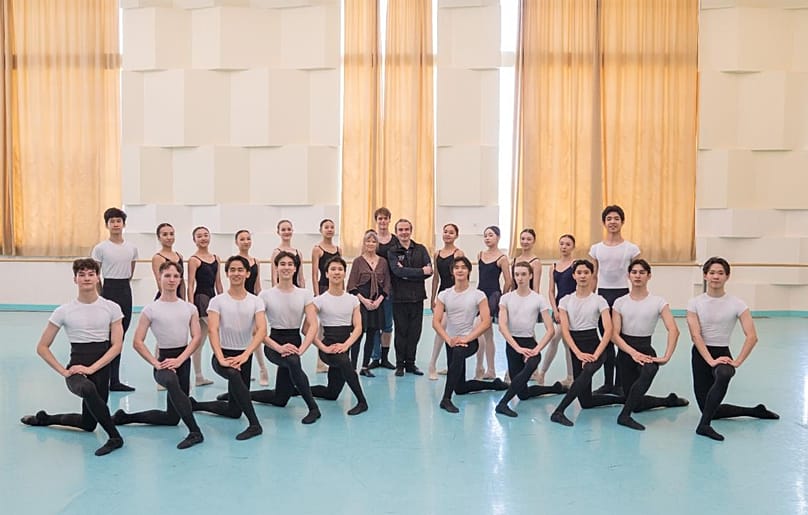
The masterclasses were led by experts closely associated with the Bournonville tradition, including Dinna Bjorn, one of the leading authorities on Bournonville heritage, and choreographer Eric Viudes. Their teachings emphasized the adaptability of the Bournonville style, showing how it can be integrated with other dance forms.
“I think I was able to share the Bournonville tradition through these classes,” Dinna Bjorn said. “What makes it special is that it can be combined with other styles, and that’s what I want young dancers to understand. They can perform classical repertoire, including elements of the Russian school, as well as contemporary works, while still staying within the Danish tradition.”
A Growing Cultural Hub
The Royal Danish Theatre’s visit to Astana was more than just a tour stop. It marked another milestone in the city’s evolving role as a cultural meeting point between Europe and Asia. As international companies continue to find new audiences far from their traditional homes, Astana is becoming a vital bridge between continents, fostering artistic exchange and mutual appreciation.