Introduction to the University of Lagos’ Digital Humanities Programmes
The University of Lagos has taken a significant step in advancing academic and technological education by launching a series of postgraduate degree programmes in Digital Humanities. These programmes, set to begin in September 2026, are designed to provide students with a comprehensive understanding of how digital tools and methodologies can be applied within the humanities.
Programme Structure and Objectives
The new suite of programmes includes certificates at the Postgraduate Diploma (PGD), Master of Arts (M.A.), and Doctor of Philosophy (PhD) levels. Each level is tailored to meet the needs of different groups of learners, from professionals seeking foundational training to those aiming for advanced research and scholarly inquiry.
- Postgraduate Diploma (PGD): This programme is ideal for professionals and scholars who want to gain essential skills in Digital Humanities. It provides a solid foundation for those looking to integrate digital methods into their work.
- Master of Arts (M.A.): Designed for emerging researchers and practitioners, this programme offers a rigorous coursework pathway that deepens understanding and develops analytical skills.
- MPhil: This programme serves as a research-intensive bridge for students aiming to pursue a PhD. It focuses on developing the research capabilities needed for advanced study.
- PhD: The highest level of the programme enables students to conduct original, sustained scholarly inquiry at the forefront of the discipline, contributing new knowledge to the field.
Strategic Vision and Institutional Alignment
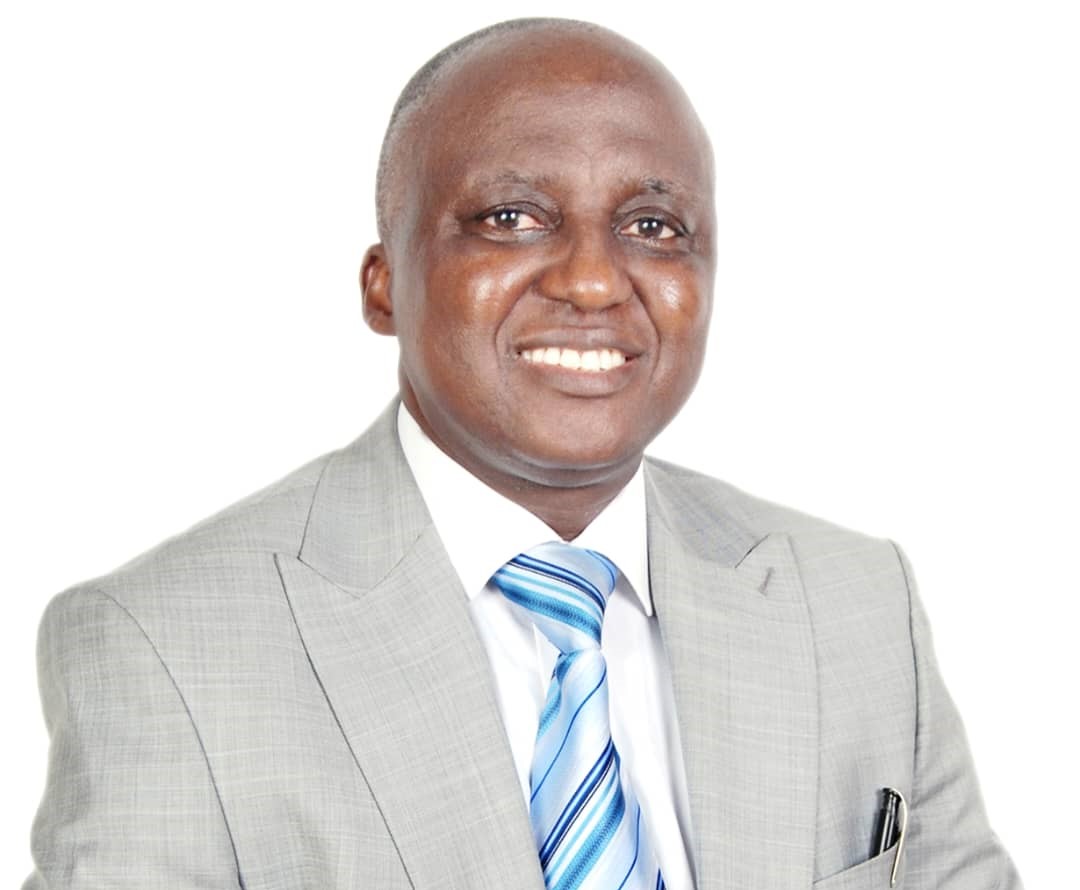
Prof. Tunde Ope-Davies, the Founding Director of the Centre for Digital Humanities at the University of Lagos (CEDHUL), highlighted the importance of these programmes in addressing the growing demand for digital competencies in the humanities. He described the initiative as both timely and historic, emphasizing that it challenges the notion that the humanities are peripheral in the digital age.
“This is intentional. This is strategic. And this is the future we are building,” Ope-Davies stated. The programmes align with the “Future Ready Agenda” of the Vice-Chancellor, Professor Folasade Ogunsola, which aims to prepare graduates to thrive in a technology-mediated world.
Research and Global Standards
CEDHUL’s commitment to excellence is reflected in its track record of producing internationally recognized scholarship. Supported by the Alexander von Humboldt Foundation and Commonwealth fellowships, the Centre has organized capacity-building Summer Schools attended by scholars from across Nigeria and the African continent. Its research areas include Afro-centred Digital Humanities, digital political discourse analysis, digital ecocriticism, and AI ethics in developing-economy contexts.
Opportunities for Prospective Applicants
Prospective applicants from diverse disciplines such as linguistics, literary studies, history, cultural studies, communication, library and information science, education, and the social sciences are encouraged to look forward to a full prospectus and admissions information, which will be released in the coming weeks.
Conclusion
The launch of these postgraduate programmes marks a pivotal moment in the evolution of Digital Humanities education in Africa. By equipping scholars, researchers, and practitioners with the necessary tools and perspectives, the University of Lagos is not only meeting the demands of the 21st-century job market but also shaping the future of the humanities through an African lens.