A Journey to Relief: Discovering Masseter Botox
When I shared with my friends that I was getting Botox, I received a few raised eyebrows. At 24, with a face that still gets me mistaken for a teenager, it seemed like an unusual choice for someone so young. But for me, it wasn’t just about looking younger—it was about finding relief from a persistent issue.
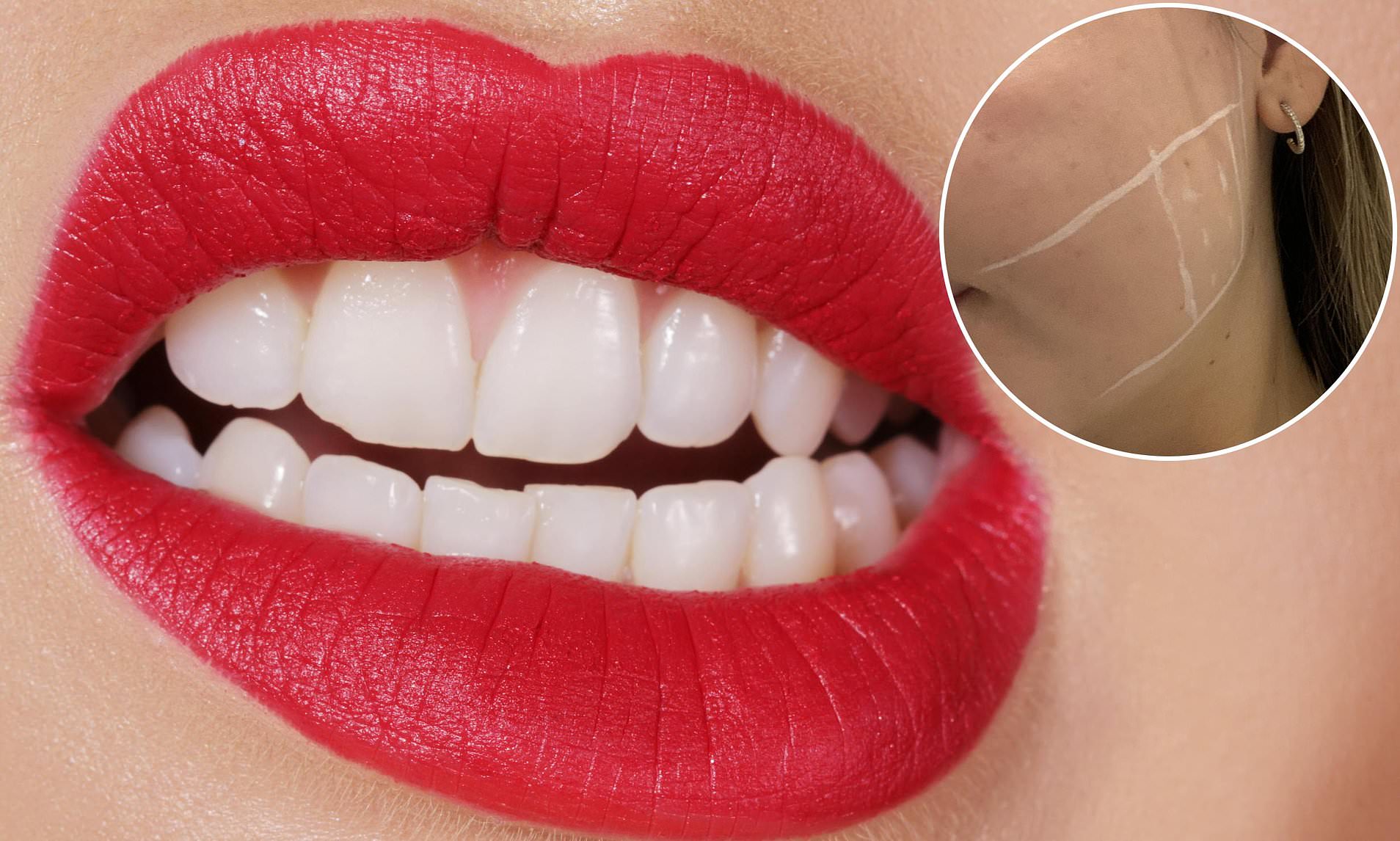
In recent years, I’ve caught myself constantly tensing my jaw and grinding my teeth. This habit happened at work, in the evenings, even in my sleep. I would wake up with headaches, and my jaw would ache before the day had even started. It got to the point where my boyfriend was getting annoyed. He would shout “jaw!” whenever I was being particularly loud.
I tried everything—stress balls, holding my mouth open, gua sha for lymphatic drainage, and chewing through endless packets of gum. Nothing worked. After hearing horror stories about people cracking their teeth from clenching so hard, I started looking for something that would actually make it stop.
That’s when I came across masseter Botox—a procedure where Botox, most commonly used as an anti-wrinkle treatment, is injected into the jaw muscles to relax them.
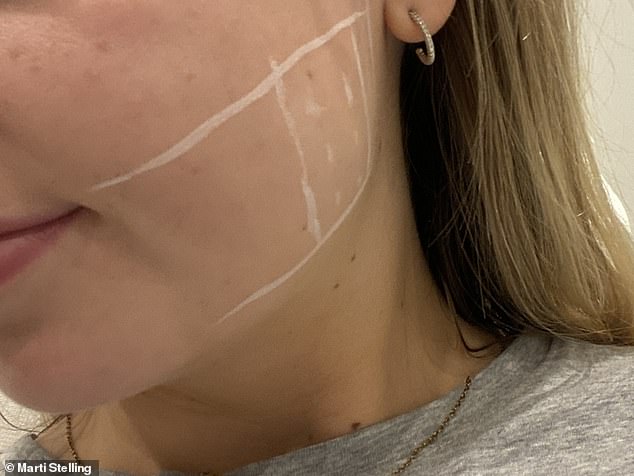
The masseter muscles are rectangular muscles on either side of the jaw, responsible for chewing. In my case, they had become unusually strong after years of clenching. Botox works by temporarily relaxing muscles by blocking nerve signals, preventing them from contracting. Results typically last three to six months before a top-up is needed. Reduction in jaw tension can begin within the first two weeks, with full results developing between six and twelve weeks.
For me, it felt like an easy decision. I’ve never had an issue with needles, and the idea that a quick, non-surgical procedure could relieve the constant pain in my jaw was hard to ignore.
I was invited to try the treatment at The Aesthetics Doctor clinic in Mayfair, London, where sessions start from £350 and typically require 25 to 40 units per side. In comparison, in the UK, the cost of dental crowns for broken teeth typically ranges from £600 to £1,800.
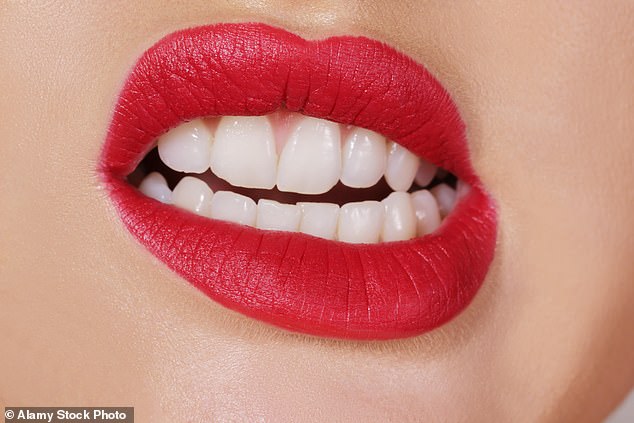
There, I met Dr Katerina Kyprianou, who talked through my reasons for wanting the procedure before examining my jaw—pressing along the muscle as I clenched and released. She confirmed that I had very strong masseter muscles (not quite the compliment it sounds like) and said the treatment would likely bring some relief. I was given a medium dose of Botox, as a lower dose was unlikely to be effective in my case.
I felt a sharp pain when the needle went in, but it was no worse than a routine injection at the doctor’s. Masseter Botox is often referred to as a “lunchtime treatment” because it’s quick and non-surgical, usually taking no more than half an hour. I was able to stop by the clinic after work and was home eating dinner by 8pm. I was relieved to hear that—unlike when I previously had injections for dental work—I’d be able to eat as normal straight away.
It took around three days before I noticed I wasn’t clenching my jaw as much, and by the two-week mark, the pain had significantly eased. I still occasionally feel the urge to clench, but it no longer happens subconsciously. Any changes to my face shape have been subtle, with a gradual softening rather than a dramatic visible difference.
I’m currently two weeks in and interested to see how the results continue to develop. The effects are temporary, as the muscle gradually returns to its previous size over time, so I plan to return for a repeat treatment in three to six months. For now, I’m just relieved to have found something that finally eased the constant tension I didn’t even realise I was carrying.
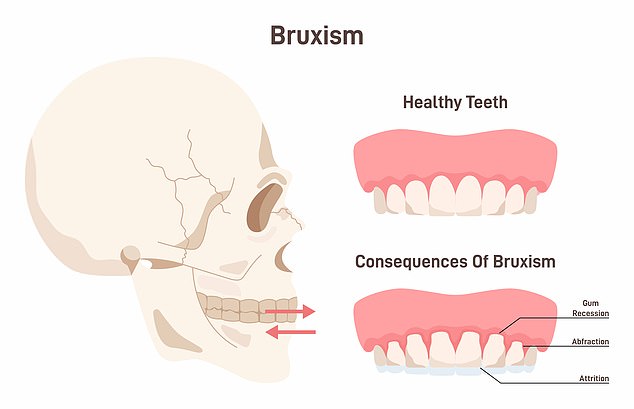
What is Bruxism?
Teeth grinding (bruxism) is often related to stress or anxiety. It’s not always clear what causes people to grind their teeth. It’s often linked to:
- stress and anxiety – this is the most common cause of teeth grinding
- sleep problems like snoring and sleep apnoea
- taking medicines for sleep problems, depression or anxiety
- smoking
- drinking lots of alcohol or caffeine
Symptoms of teeth grinding
Teeth grinding can happen while you’re awake or asleep. As well as grinding your teeth and clenching your jaw, other symptoms can include:
- a painful jaw, which can lead to a condition called temporomandibular disorder (TMD)
- worn-down or broken teeth, which can cause increased sensitivity
- loss of teeth and fillings
- headaches earache
- disturbed sleep