A Rare Two-Tone Lobster Captivates New England
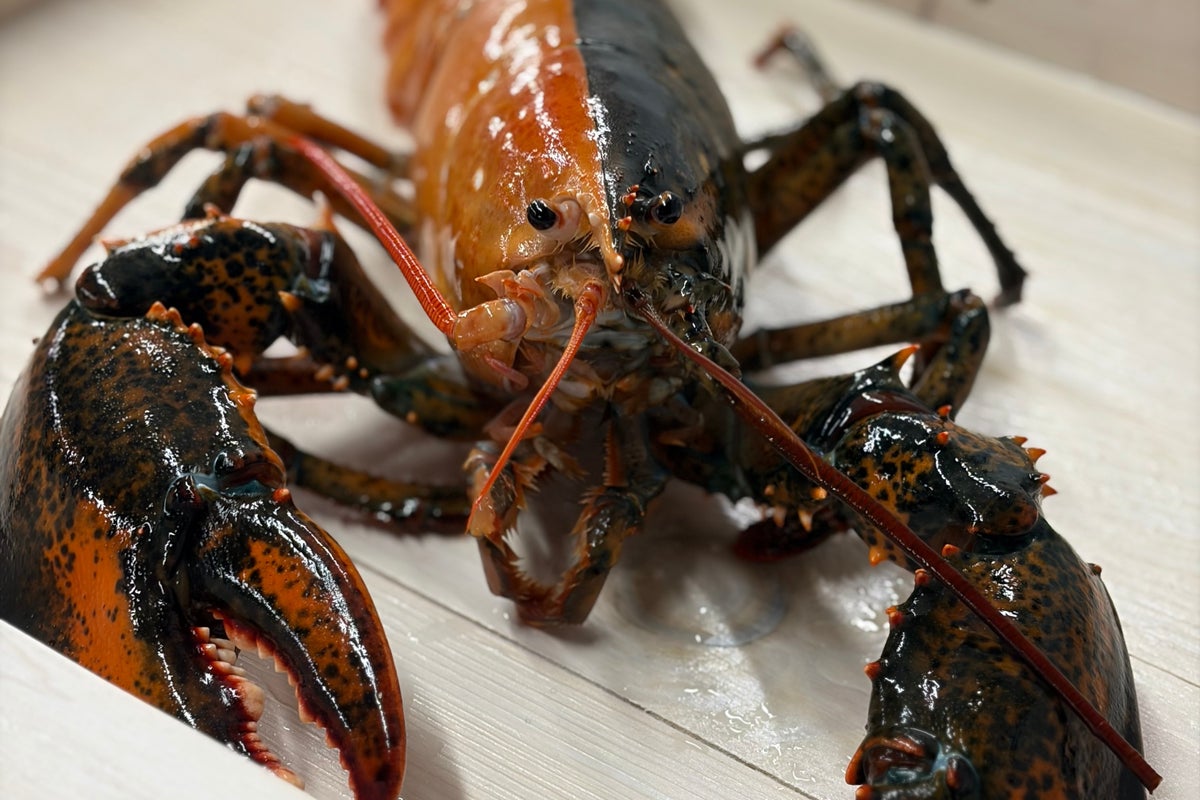
A rare two-tone lobster has captured the attention of New Englanders, uniting them in fascination. This unique crustacean, which was spared from the cooking pot, has become a symbol of natural curiosity and scientific interest. The Cape Cod seafood company that discovered the lobster has donated it to a science centre, ensuring its survival due to its remarkable coloration.
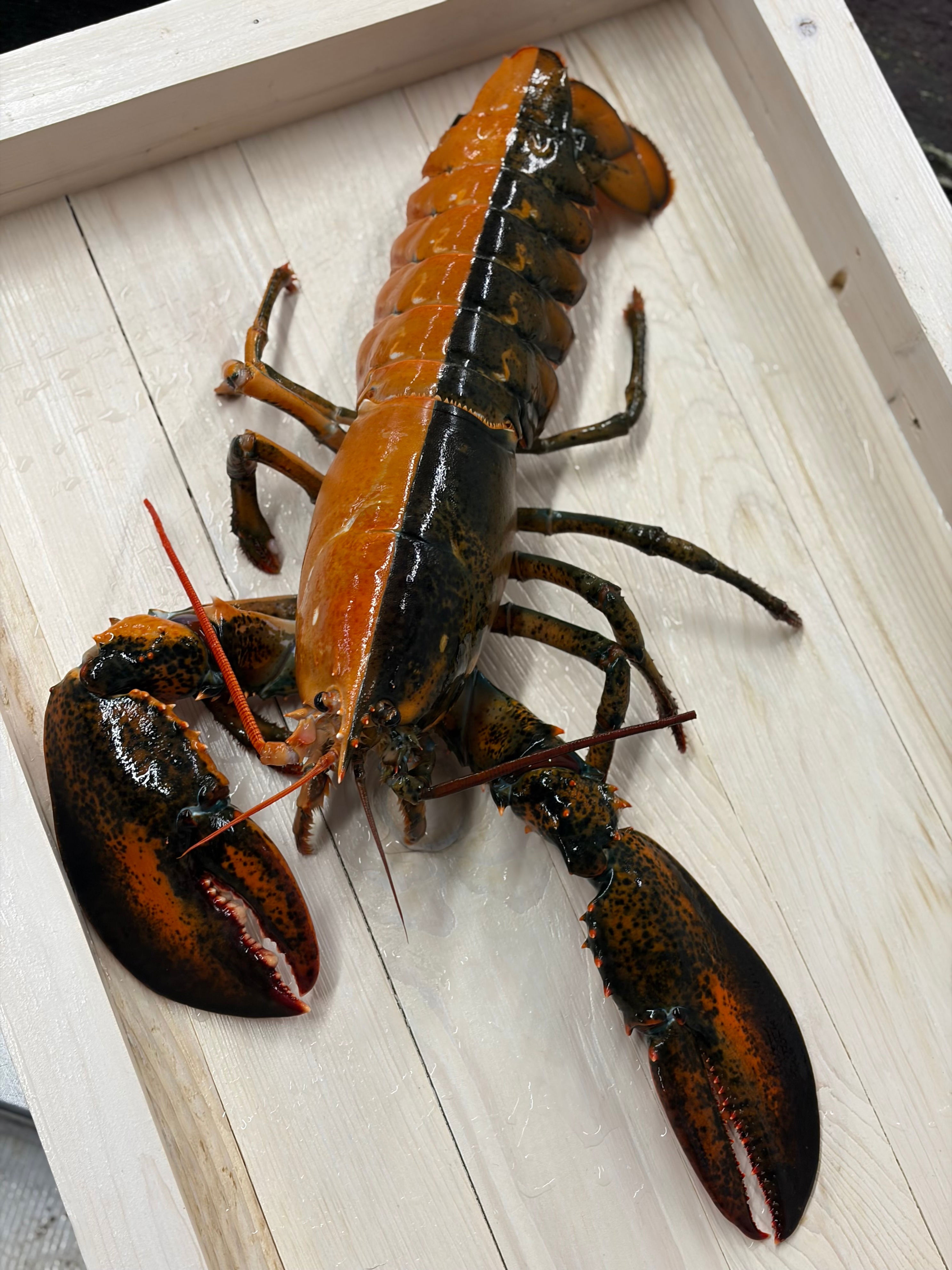
The lobster, found off the coast of Cape Cod, displays a distinct brown hue on one side and a vibrant orange on the other. This two-toned pattern extends from head to tail, making it an extraordinary sight. Wellfleet Shellfish Company in Eastham, Massachusetts, which has been inundated with inquiries, confirmed the donation to the Woods Hole Science Aquarium in Falmouth, Massachusetts.
According to the shellfish company, the lobster is now housed in holding tanks at the Marine Biological Laboratory during the aquarium’s construction period. When the aquarium reopens, the lobster will be on display, offering visitors a rare opportunity to witness one of the ocean’s most striking natural anomalies.
The lobster was caught by fishermen off Cape Cod on 16 April. While unusually coloured lobsters are not uncommon arrivals at New England docks during spring and summer, this two-toned specimen is considered exceptionally rare.
The Science Behind Unusual Lobster Colours
American lobsters are typically a mottled brown, but genetic mutations affecting pigment-binding proteins can lead to striking colour abnormalities. These can manifest as blue, orange, spotted calico, or even the vivid ‘cotton candy’ lobsters.
Professor Markus Frederich, a marine sciences expert at the University of New England in Maine, explained in 2024 that a two-coloured lobster can result from the fusion of two separate lobster eggs growing as a single animal. While estimates exist for the rarity of various lobster colourations, Professor Frederich noted these figures are often approximations.
The Wellfleet Shellfish Company has described the two-coloured lobster as a “remarkable and exciting find”. Its unique appearance has sparked interest not only among locals but also among scientists and marine enthusiasts.
The Cultural Impact of Unique Natural Phenomena
Natural phenomena like this two-toned lobster have a significant cultural impact. They remind people of the beauty and unpredictability of the natural world. In a time when many feel disconnected from their surroundings, such discoveries can foster a sense of wonder and appreciation for the environment.
These events also highlight the importance of conservation and education. By showcasing rare and unusual creatures, science centres and aquariums play a crucial role in promoting environmental awareness. Visitors leave with a deeper understanding of the complexities of marine life and the need to protect it.
Moreover, such stories often inspire community engagement. Local businesses, schools, and organisations may come together to support conservation efforts or participate in educational programs. This collective response underscores the power of nature to bring people together.
The Role of Media in Highlighting Natural Wonders
Media coverage of unique natural phenomena plays a vital role in shaping public perception and interest. Stories about rare animals or unusual occurrences can generate widespread excitement and encourage people to learn more about the environment.
In this case, the media has helped spread the word about the two-toned lobster, drawing attention to its significance and the efforts to preserve it. This kind of coverage can also lead to increased funding for scientific research and conservation projects.
Additionally, media outlets can serve as platforms for experts to share their knowledge and insights. By featuring interviews with marine biologists and other specialists, they provide valuable context and deepen the public’s understanding of these natural wonders.
Conclusion
The two-toned lobster found off Cape Cod is more than just a rare anomaly; it is a symbol of the natural world’s incredible diversity. Its discovery has sparked interest, curiosity, and a renewed appreciation for marine life. As it continues to captivate visitors at the Woods Hole Science Aquarium, it serves as a reminder of the importance of preserving our oceans and the unique creatures that inhabit them.