Poliovirus Detected in Perth Wastewater
Health officials have confirmed the presence of poliovirus in a wastewater sample collected from a catchment area in Perth. This discovery has raised concerns about the potential return of the disease to Australia, 26 years after it was declared eliminated.
Polio is a highly contagious viral infection that can lead to long-term disability, paralysis, and even death. While there is no cure for the illness, it can be effectively prevented through vaccination. Australia has been free of polio since 2000, with the last locally-acquired case recorded in 1972.
The detection of the virus was made by the Western Australian Government’s Department of Health as part of its surveillance program. The sample, taken in mid-April, showed evidence of a vaccine-derived poliovirus Type 2 strain. Similar strains have been detected in several countries, including Africa, Europe, and Papua New Guinea, in recent years.
Despite the concern, WA’s Chief Health Officer, Dr Clare Huppatz, emphasized that the risk to the public remains very low. She explained that the high vaccination coverage in Western Australia—92% among children—makes it unlikely for the virus to circulate widely.
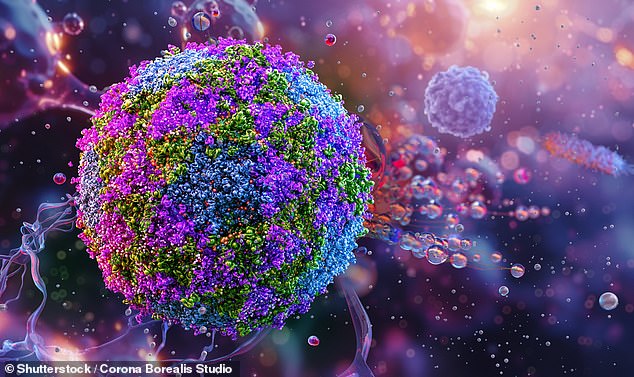

“The potential for this strain to spread in a highly vaccinated population is very low,” Dr Huppatz said. “This detection does not indicate any spread of the disease within WA.”
She added that the presence of the virus in wastewater in Europe during 2024 and 2025 did not result in any cases of the disease. “This finding is most likely due to someone who has traveled overseas and is shedding the virus strain,” she noted.
Dr Huppatz also highlighted the importance of maintaining high vaccination rates. “Australia has an excellent vaccination program against poliovirus, which will protect the community against this strain. However, this serves as a reminder that poliovirus continues to circulate in other countries, and the importance of ensuring you and your family are fully vaccinated.”
Before vaccines were introduced, polio was a major cause of death and disability. Thanks to global eradication efforts, annual cases have declined by over 99% since the 1980s. While the risk of polio in Australia is currently low, health authorities continue to recommend vaccination, especially given the possibility of outbreaks in neighboring countries.
Most people infected with the poliovirus show no or mild symptoms. However, in a very small number of cases, the infection can progress to paralysis, which may involve severe muscle pain, weakness, and involuntary movements.
The WA Department of Health is now increasing wastewater testing across metropolitan areas and working with clinicians to improve systems for detecting possible polio cases in hospitals. Free polio vaccines are available under the National Immunisation Program for children, eligible people under 20, and refugees and humanitarian entrants of any age.