The Growing Crisis of Medicine Shortages in the UK
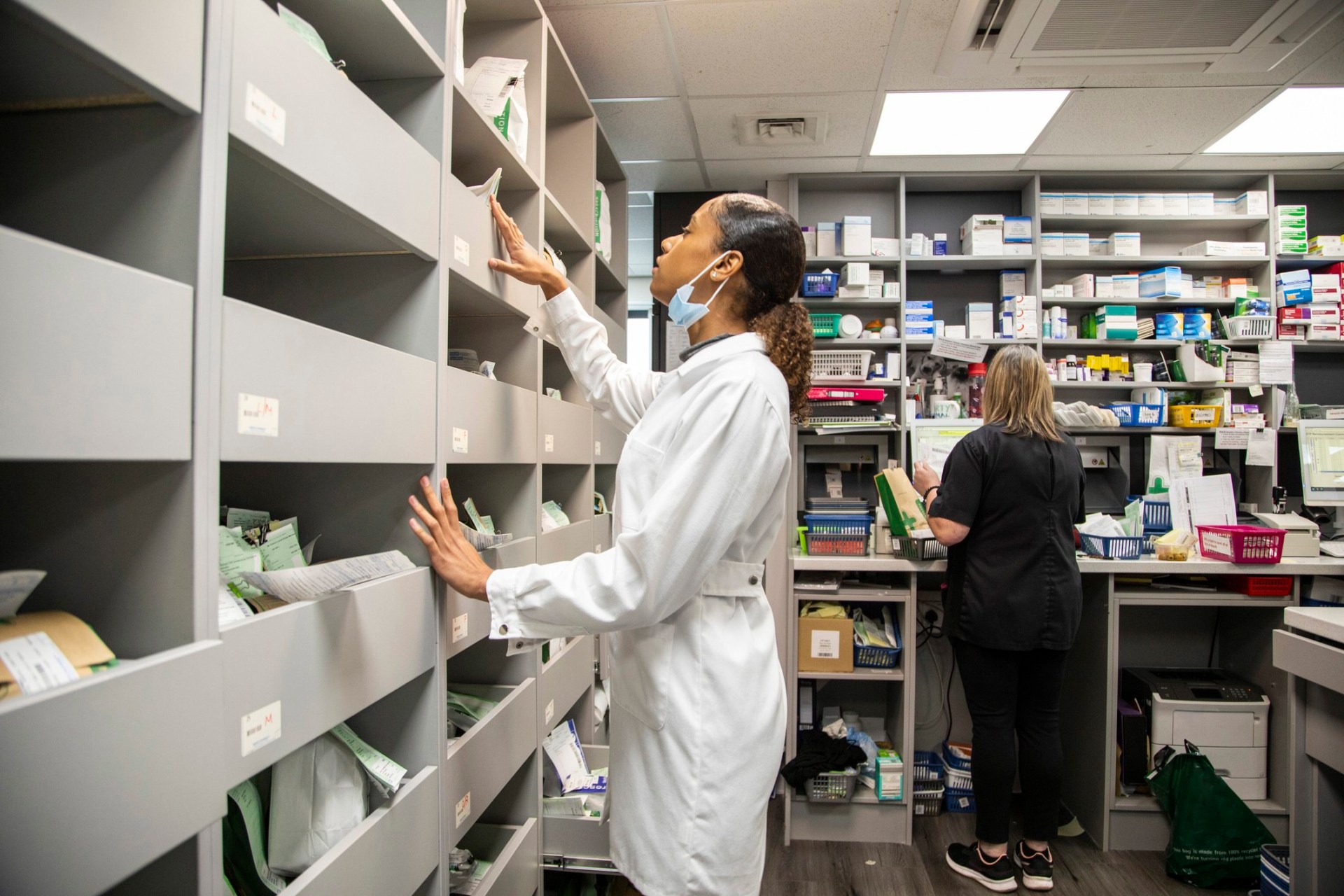
Long queues snaking through high street pharmacies – if there even is one any more – are becoming a common sight in the UK. The war between the US and Israel against Iran in February has disrupted many aspects of daily life, from petrol prices to tropical fruit stocks. However, this conflict has also had a significant impact on the availability of medicine in the country.
How the War Affects Medicine Supply
The Strait of Hormuz, a crucial channel linking the Persian Gulf to the rest of the planet, has been shut down due to the conflict. This has prevented oil tankers and other cargo ships from passing through, leading to increased energy prices. As a result, drug prices have risen because manufacturers are facing higher costs for key ingredients or are paying double to ship them by air.
Some medications, such as those needed to treat cancer, have short shelf lives, making it difficult to transport them via longer routes that avoid the Strait of Hormuz. The UK only produces about a quarter of its medicines domestically, with a third coming from India and another third from the EU. Additionally, oil is essential for producing chemicals like methanol and ethylene, which are used in making some medicines as well as syringes, vials, and tubes.
Increasing Pressure on the Medicine Supply Chain
Pharmacies must source medicine for a fixed amount that the NHS can cover, known as a drug tariff. If the price of a drug exceeds this amount, pharmacies can request that it be added to the government’s price concession list. According to the National Pharmacy Association, some drug prices have risen 10 times since February. Community Pharmacy England has reported a record number of medications on the concessions list, with 204 announced in April alone.
James Davies, director of research at Community Pharmacy England, explained that while the increase in price concessions indicates pricing issues rather than immediate shortages, it highlights the growing pressure on the medicine supply chain. He warned that the situation is likely to worsen due to the ongoing conflict in the Middle East.
Jim Mackey, head of NHS England, expressed his concerns about medicine supply issues. He stated that while there is enough supply to last for a reasonable period, the perishable nature of medicines and the cost of storage make it impractical to stockpile large quantities.
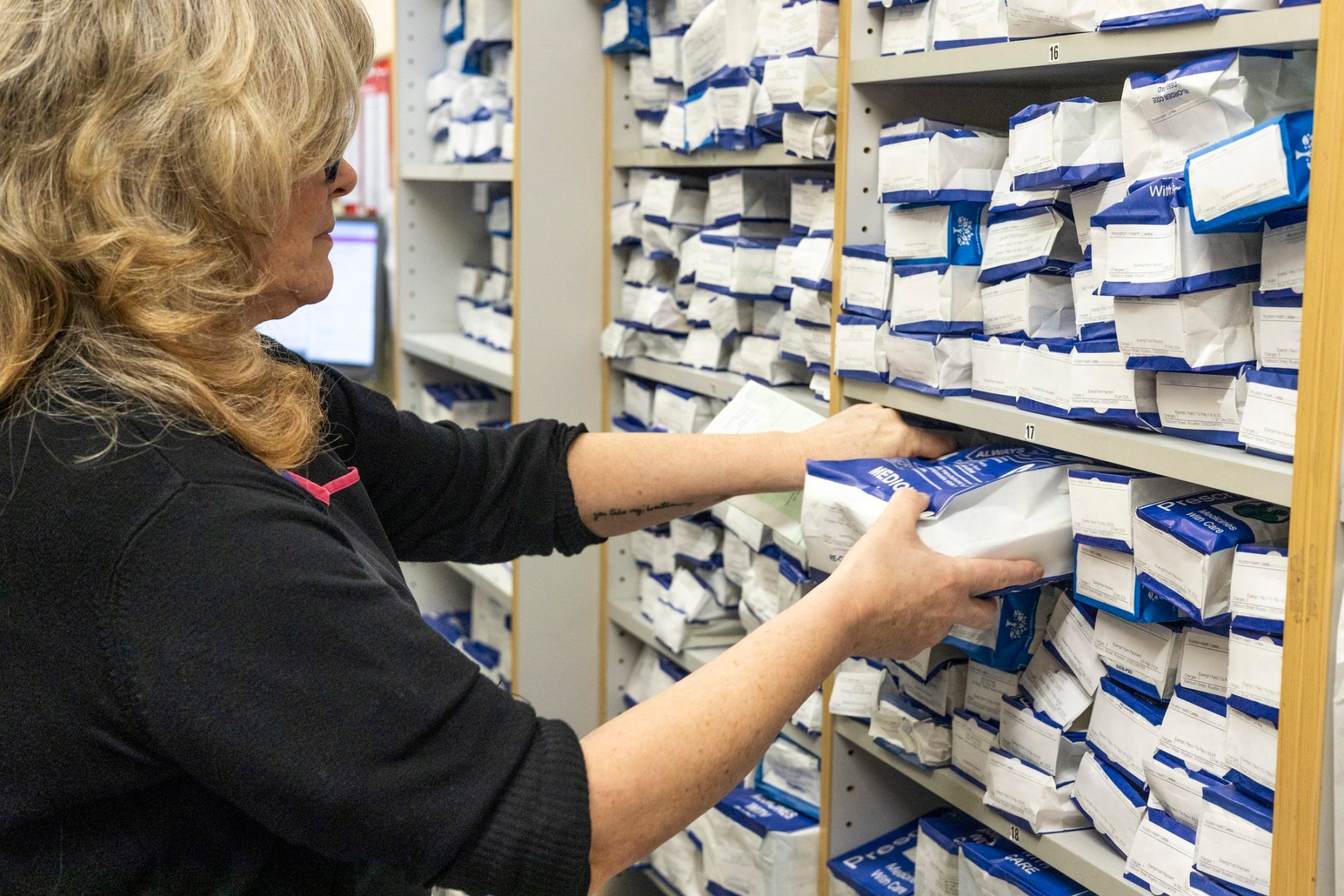
Olivier Picard, chairman of the NPA, highlighted the financial strain on pharmacists. He mentioned that some pharmacists are forced to dispense at a loss, often sacrificing their own pensions to stay afloat. Others may send patients to other pharmacies miles away to protect their bottom line. For example, Apixaban 5mg, a medication used to prevent blood clots, results in a loss of £3.51 per prescription, leading to over £1,000 in losses each month for every pharmacy.
The number of pharmacies in the UK has been decreasing for years, with the total falling below 10,000 for the first time in 20 years in 2025.
Medications Affected by Shortages
Several medications are currently in short supply. Methylphenidate, commonly known as Ritalin, used to treat ADHD, is among the drugs experiencing shortages. Supplies of propranolol, which manages heart problems and anxiety, are also low. Ramipril, a high blood pressure medication, has been issued a ‘serious shortage’ notice, limiting patients to one month’s supply at a time.
Apixaban, which prevents blood clots, is another medication affected by the crisis. Without it, patients risk deep vein thrombosis, a condition that often requires medical intervention. The NHS is also dealing with shortages of aspirin and oxybutynin, used for hormonal replacement therapy.
Other ongoing shortages include medications for diabetes and epilepsy. The Epilepsy Society has identified at least three deaths in the last two years where a lack of medication was a contributing factor. Clare Pelham, executive officer of the charity, emphasized that for many people with epilepsy, there is no alternative when their medication is unavailable.
A Department of Health and Social Care spokesperson stated that the vast majority of the UK’s licensed medicines are in good supply, and they are working hard to maintain this. They have established processes to respond to sudden market price increases, including adjusting reimbursement prices based on current conditions to ensure pharmacies can continue to obtain medicines for their patients.
For more stories like this, check our news page. Get in touch with our news team by emailing us at [email protected].