The Impact of Late-Night Snacking on Health
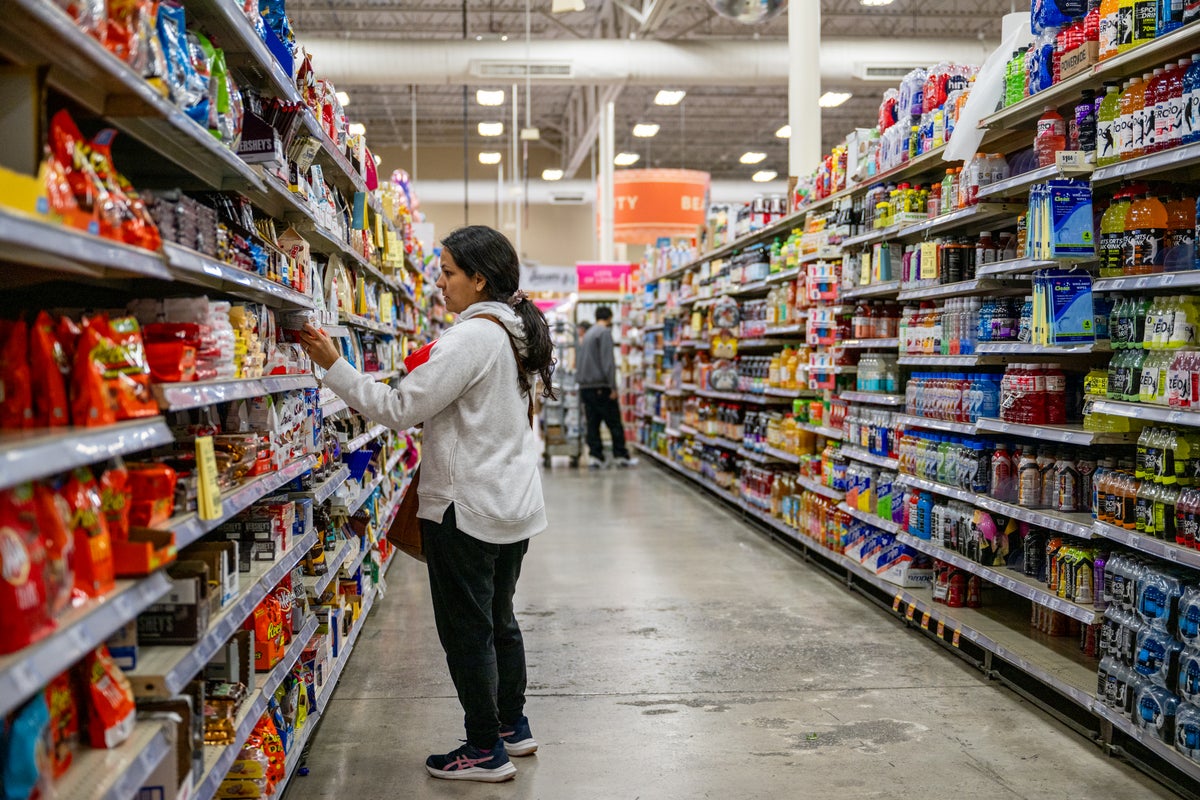
Most people are guilty of opening the fridge and pulling out a block of cheese to slice or grabbing a bag of potato chips from the pantry as a pre-bed treat. However, the timing of your snack may be just as important as what you’re snacking on to ensure you stay healthy.
Experts have suggested that late-night snacking could have a negative impact on several areas of your health, from blood sugar levels to weight management. Although a small evening snack might be okay if you are truly hungry, frequent late-night snacking can affect your weight, according to registered dietitian Lindsey DeSoto in a recent post.
“Research suggests the body may process food better earlier in the day,” she said. This is because late-night eating contrasts with our body’s internal clock, also known as the circadian rhythm or the sleep-wake cycle.
Your body releases hormones that make you feel hungry and alert during the day as part of that rhythm. However, eating at night can disrupt this process. According to Johns Hopkins Medicine, disrupting when you’re feeding versus fasting or sleeping and waking will change your circadian rhythm. This alters how the body processes nutrients from the diet, such as calories from sugars and fat.
That’s why eating at night has been linked to a heightened risk of obesity. Researchers at Harvard Medical School found that eating late may increase hunger instead of satisfying it. Lab tests showed that people who ate later had lower levels of the hormone that helps us feel full, called leptin. People eating later also burned calories at a slower rate and had genetic triggers for fat growth.
“We found that eating four hours later [in the day] makes a significant difference for our hunger levels, the way we burn calories after we eat and the way we store fat,” Nina Vujović, a researcher in the Medical Chronobiology Program at the school, explained in 2022.
The Effects of Late-Night Snacking on Blood Sugar Levels
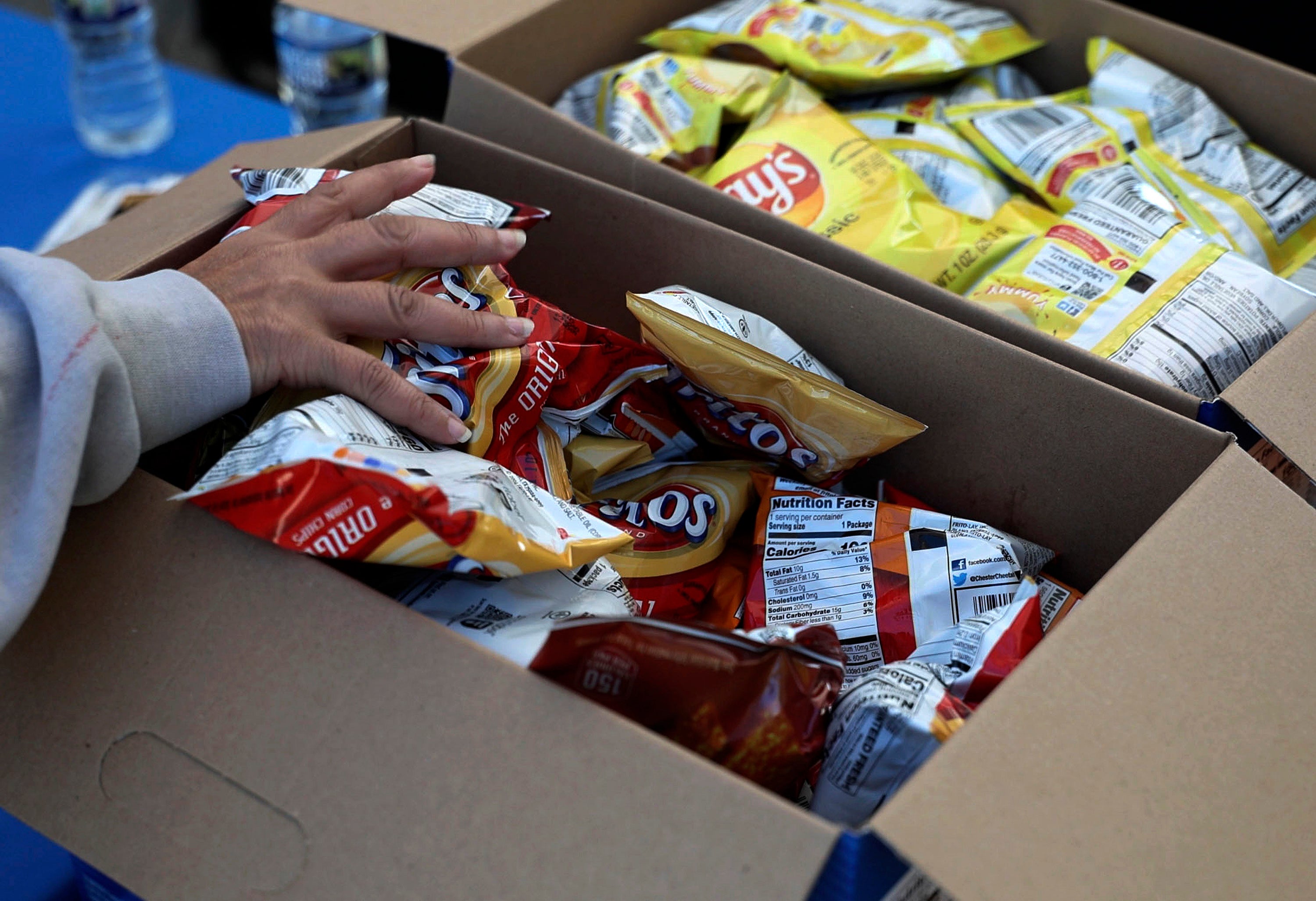
Snacking on chips or any carbohydrates at night has another unintended effect that can leave people vulnerable to chronic disease. It spikes your blood sugar levels because the body is less able to regulate them than earlier in the day. This is because our bodies produce the hormone insulin, which is responsible for moving glucose out of the blood, at lower levels at night.
Melatonin, the sleep hormone we produce before we fall asleep, is also a factor. “The natural production of melatonin in the body for sleep can decrease insulin secretion, or the body may have less sensitivity to the hormone,” registered dietitian Christina Manian told EatingWell. “This means that the body may have a lower ability to metabolize high levels of circulating glucose as a result of late-night snacking compared to earlier in the day.”
When Is a Good Time to Have a Snack?
So when is a good time to have a snack? Both morning and afternoon snacks can help you stay healthy and provide crucial energy to take on the day. The best time to snack is if your stomach feels empty, you’re low on energy, and your next meal is several hours away, DeSoto says. If you know you are going to be active later in the day, a balanced snack can provide you with energy too.
Portioning snacks out ahead of time can help you avoid binge eating, as well as raised blood sugar levels. Snacks packed with protein and fiber can help you feel fuller for longer. Examples include apples with almond butter, hummus and veggies, and cottage cheese.
Tips for Healthy Snacking
- Plan Ahead: Prepare healthy snacks in advance to avoid impulsive choices.
- Choose Nutrient-Dense Foods: Opt for foods rich in protein and fiber to keep you satisfied longer.
- Monitor Portion Sizes: Be mindful of how much you eat to prevent overeating.
- Stay Hydrated: Sometimes thirst is mistaken for hunger, so drink plenty of water throughout the day.
- Be Aware of Your Body’s Signals: Eat when you’re genuinely hungry, not just out of habit or boredom.
By being mindful of when and what you snack on, you can maintain a healthier lifestyle and support your overall well-being.