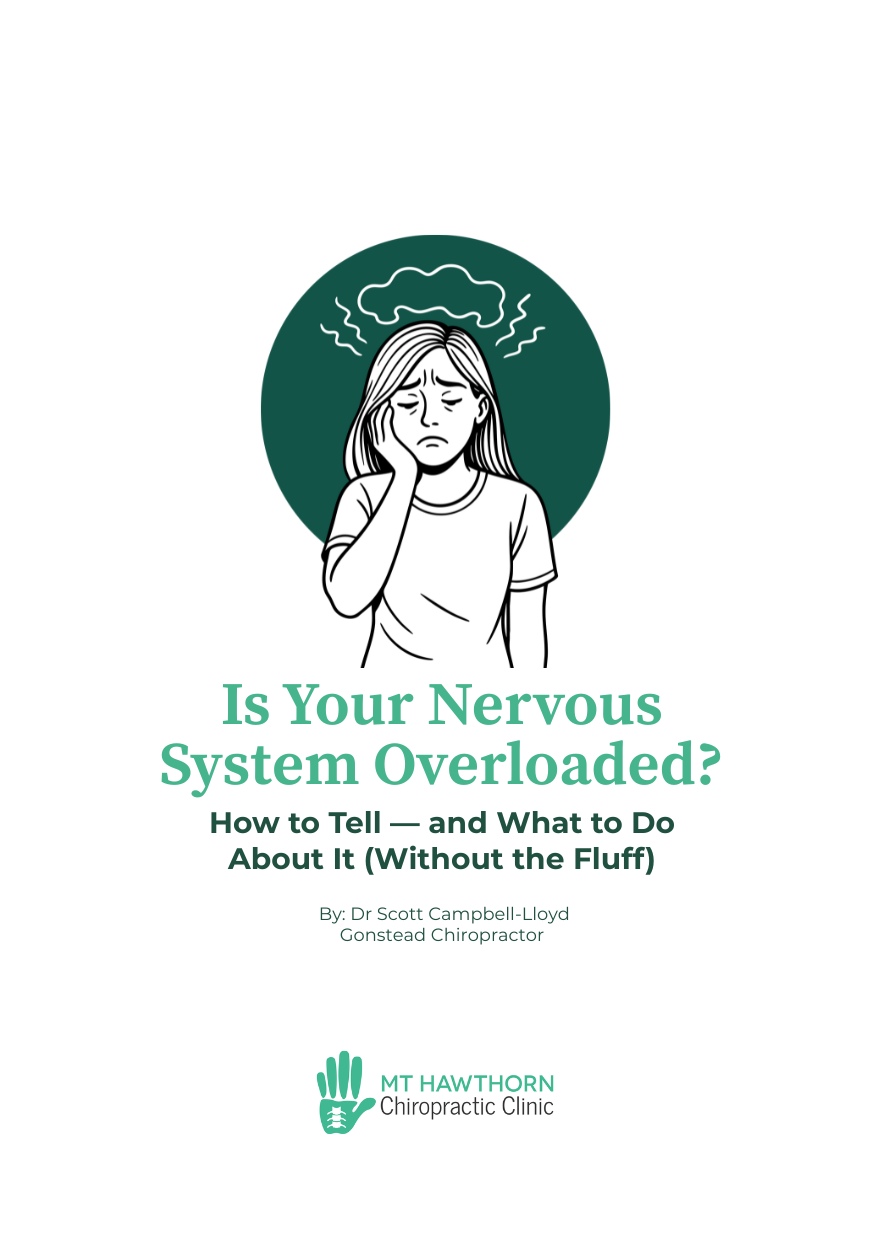
Understanding the Nervational System and Its Role in Stress
You may have come across the term “nervous system overload” or “dysregulation” when discussing periods of high stress. These phrases are often used to describe a state where the body feels overwhelmed by external pressures, making it difficult to cope. You might also have encountered suggestions on social media or at wellness retreats about how to “heal” or “reset” your nervous system.
But what exactly is the nervous system, and can it truly become overloaded or be reset? Let’s explore this complex system and its role in our daily lives.
What Does the Nervous System Do?
The autonomic nervous system (ANS) plays a crucial role in regulating bodily functions that we don’t consciously control, such as heart rate, digestion, and emotional responses. It is divided into two main branches: the sympathetic and parasympathetic nervous systems.
The sympathetic nervous system activates the body’s “fight, flight, freeze, or fawn” response during stressful situations, preparing us to react to perceived threats. On the other hand, the parasympathetic nervous system helps the body return to a state of calm after a stressful event.
While our bodies evolved to handle immediate dangers, modern life presents chronic stressors like work pressure, financial worries, and balancing caregiving responsibilities. These ongoing challenges can strain our stress-response system, leading to a sense of being overwhelmed.
What Is “Nervous System Overload”?
Although the term “nervous system overload” isn’t formally defined in medical terms, it generally refers to the physical and emotional effects of stress when we feel unable to cope. This can happen when there are multiple uncontrollable threats or when we haven’t had time to recover from one stressor before another arises.
This concept is sometimes compared to the outdated term “nervous breakdown,” which described a severe mental health episode that left someone unable to function socially. However, “nervous system overload” is more about feeling frazzled and sensitive rather than completely incapacitated.
Why Is the Nervous System in the Spotlight Now?
Dysregulation of the nervous system has long been associated with conditions like post-traumatic stress disorder. However, the topic has gained mainstream attention, especially since the pandemic. One reason for this could be growing awareness of the biological basis of emotions. Physiological changes in the body can influence how we experience emotions.
Another factor is the popularity of the polyvagal theory, which explores the role of the vagus nerve in the autonomic nervous system. While this theory has been debunked by recent expert consensus, it continues to influence discussions around trauma and stress.
The Risks of Medicalizing Everyday Stress
Using terms like “nervous system overload” can make stress feel more serious than it is. While these explanations can reduce stigma, they may also lead people to believe that problems are long-lasting and out of their control. This can result in “concept creep,” where mild experiences are labeled as medical or psychiatric disorders.
Talking about “resetting the nervous system” might suggest something is seriously wrong, even though fluctuations in health and wellbeing are normal parts of life.
Can You Actually Reset Your Nervous System?
Online sources describe “nervous system resets” as everything from deep breathing exercises to expensive wellness retreats. While these strategies can be beneficial, there is no scientific evidence that they can “reset” the nervous system or that such a process is even possible.
Managing Stress Effectively
Instead of focusing on “resetting” the nervous system, consider reframing “nervous system overload” as chronic stress. This shift can help identify practical, affordable ways to manage stress:
- Lifestyle changes: Regular exercise, adequate sleep, and a healthy diet have all been shown to reduce chronic stress.
- Mindfulness and meditation: Practices like breathing exercises can lower cortisol levels, a hormone linked to stress.
- Time in nature: Spending time outdoors has been linked to reduced blood pressure and self-reported stress.
- Creative expression: Engaging in art, music, or dance can help manage and prevent stress.
For more severe distress, seeking professional support from psychologists who use evidence-based therapies is recommended. Sustainable change usually takes time and effort, and prevention is key. Reflecting on ways to make life more manageable over the long term can help avoid physical signs of distress.
In addition to her academic work, Amy Loughman offers therapies like Acceptance and Commitment Therapy (ACT) as a psychologist in private practice.