
A New Blood Type Challenges Established Knowledge
A recently discovered blood type, known as B(A), is causing a stir in the medical community. This rare type doesn’t conform to the traditional ABO system and suggests that there may be more hidden variations in human biology than previously thought.
For many years, blood types have been considered a fixed and well-understood framework in medicine. They play a crucial role in ensuring safe transfusions and basic diagnostics. The ABO system, first mapped in the early 20th century, was seen as stable and reliable. However, recent discoveries like B(A) are proving that the understanding of blood types is not as clear-cut as once believed. Even today, researchers continue to uncover rare cases that defy conventional classifications, which can complicate medical decisions.
An Unusual Case That Defies the Rules
The B(A) blood type was first identified in 2025 during testing at a hospital in Thailand. What surprised researchers was the discrepancy between expected and actual results. According to a study published in Transfusion and Apheresis Science, these individuals displayed mostly B antigens but also had small amounts of A antigens, which standard classifications do not account for.
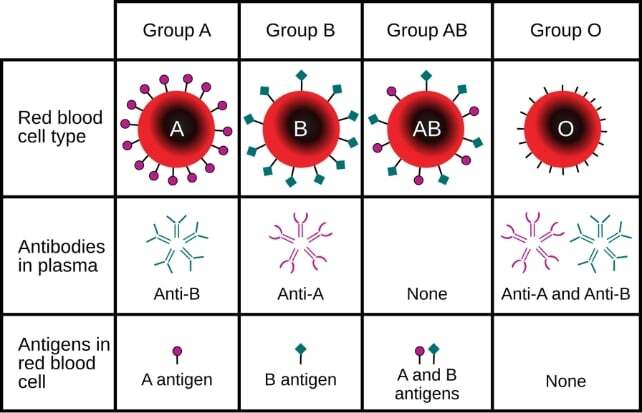
The case involved three people: one patient and two donors. Researchers noted that:
- The ABO discrepancies were distinct between donors and patients, even within the same ethnicity, which is unusual and not typically observed in routine testing.
This kind of ambiguity can make blood typing more complicated than anticipated, especially in situations where precision is critical.
Genetic Factors Behind the Mystery
Further investigation revealed that the anomaly stemmed from the ABO gene on chromosome 9. The study found that the three individuals shared four unique alleles that had never been seen in any known blood type variants.

These genetic differences affect how antigens are formed on red blood cells, resulting in a hybrid expression that is predominantly type B but not entirely. What makes this discovery significant is that all three cases showed the same mutations, and these mutations do not match any previously recorded forms of the B(A) phenotype.
“This finding highlighted the influence of the patient’s conditions and therapy on the anomalous ABO typing. Additionally, the B(A) individuals identified in this study carried identical genetic alterations that differed from all antecedent alleles of the B(A) phenotype,” explained the authors.
Rare Blood Types Are More Common Than Expected
While most people are familiar with O negative as the universal donor, it is far from the rarest blood type. According to commonly cited data, only about 50 people worldwide have Rh-null blood, often referred to as “golden blood” because it lacks all Rh antigens. There is also Gwada negative, which has been found in just one person.
The addition of B(A) brings the total number of known blood group variants to 48, highlighting the complexity of this field. Researchers believe there could be more cases like this that have yet to be identified. The fact that B(A) appeared in more than one individual suggests it may not be as unique as initially thought.
Future Research and Implications
The study calls for further research to understand the structural and functional consequences of the mutated AB transferase enzyme. As scientists continue to explore these anomalies, they may uncover more hidden variations in human biology that challenge existing frameworks.
The discovery of B(A) serves as a reminder that our understanding of human genetics is still evolving. With each new finding, we gain a deeper appreciation for the complexity of life and the potential for unexpected surprises in the field of medicine.