BBC Broadcasts Racial Slur Twice in a Single Day
The BBC has once again found itself at the center of controversy after broadcasting a racial slur twice in one day. This incident occurred just two months after the broadcaster faced significant backlash for a similar mistake during the Baftas. The latest occurrence has reignited concerns about the organization’s editorial oversight and its handling of sensitive content.
Racial Slur During News Broadcasts
Earlier this month, BBC Radio 1 aired the racial slur during two news broadcasts. The offensive language was included in a backing track from American rapper Childish Gambino, which was used in a package played on Newsbeat at 12:45pm and 5:45pm. The audio clip was part of a short segment that referenced the new Super Mario Galaxy Movie, released on April 1.
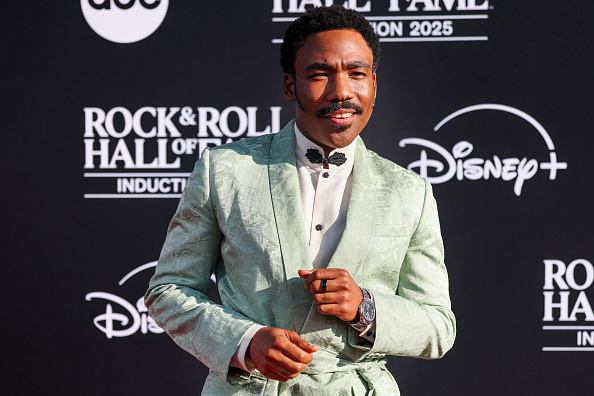
Childish Gambino, whose real name is Donald Glover, is starring in the film. Although it is not clear which specific track was used, several of his songs contain the racial slur. A source described the incident as an “appalling oversight in the edit suite.”

Response and Training Measures
The source added that the BBC has since implemented all-staff training to prevent such incidents from happening again. However, this move has only drawn more attention to the situation. The source said, “After the fallout from the Baftas, this is the absolute worst-case scenario for the Beeb.”
The BBC has also reported that it has rolled out training for all staff to avoid similar mistakes in the future. In a statement, the BBC expressed regret over the incident, stating, “We are very sorry this was broadcast. We should not have included this clip in this news report, and we removed the clip from Sounds when we realized the error.”
Previous Controversy at the Baftas
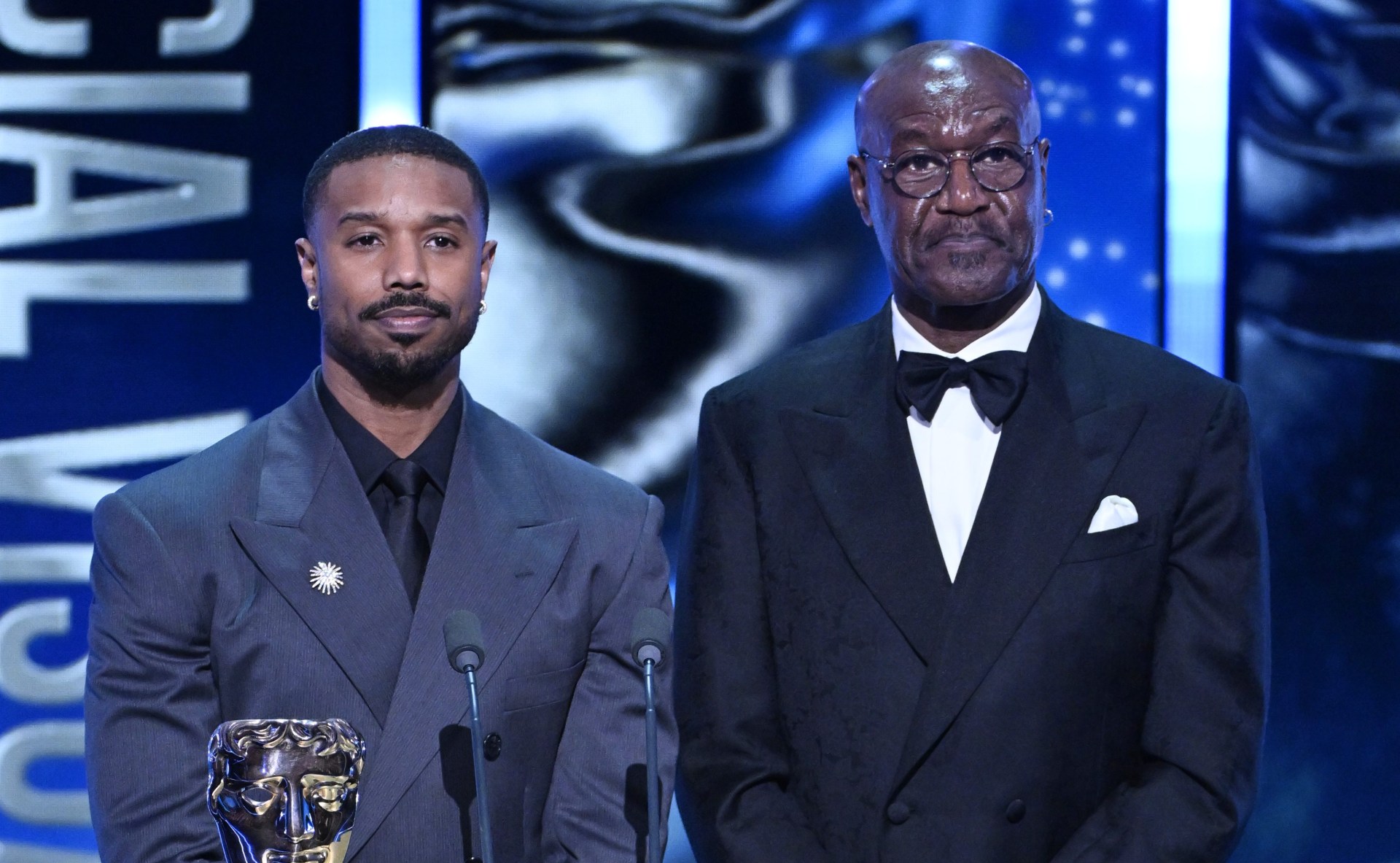
This latest incident comes in the wake of the BBC’s previous controversy in February, when the racial slur was aired during the 2026 Baftas. The national broadcaster faced significant backlash after actors Michael B Jordan and Delroy Lindo were subjected to the slur while presenting at the awards.
The racial slur was shouted involuntarily by campaigner John Davidson, who has Tourette’s syndrome. He later issued an apology, stating he was “deeply mortified if anyone considers my involuntary tics to be intentional or to carry any meaning.” Viewers tuning into the ceremony heard the slur after the BBC failed to edit it out from the BBC One broadcast on February 22. It was also left up on iPlayer for several hours before being taken down.
Apology and Investigation
In an interview with Variety, Davidson mentioned he had an “expectation” that the BBC would blur out his comments and questioned why he had been seated close to a microphone. The day after the awards, Bafta issued an “unreserved apology” for the “very offensive language that carries incomparable trauma and pain for so many.” The BBC also apologized, and its Executive Complaints Unit launched a “fast-tracked investigation.”
Addressing the Incident
In March, the BBC’s former director general, Tim Davie, wrote a response to Dame Caroline Dinenage, chair of the Culture, Media and Sport (CMS) Committee, following their request for an explanation of how the racial slur ended up in the broadcast despite a two-hour time delay. In his letter, Davie stated, “Although the racial slur was symptomatic of a disability and an involuntary tic, it should never have been broadcast. It was a genuine mistake, and we take full responsibility for our error.”
He added that no one in the on-site broadcast truck heard the slur when they were watching the live feed. As a result, there was no editorial decision made to leave the language in.
Ongoing Concerns
The recent incidents have raised serious questions about the BBC’s ability to handle sensitive content and ensure that its broadcasts do not inadvertently promote harmful language. While the organization has taken steps to address these issues, the repeated nature of the mistakes suggests that more comprehensive measures may be needed to prevent future occurrences.
The BBC continues to face scrutiny from both the public and regulatory bodies, and it remains to be seen whether the changes implemented will be sufficient to restore trust in the organization.