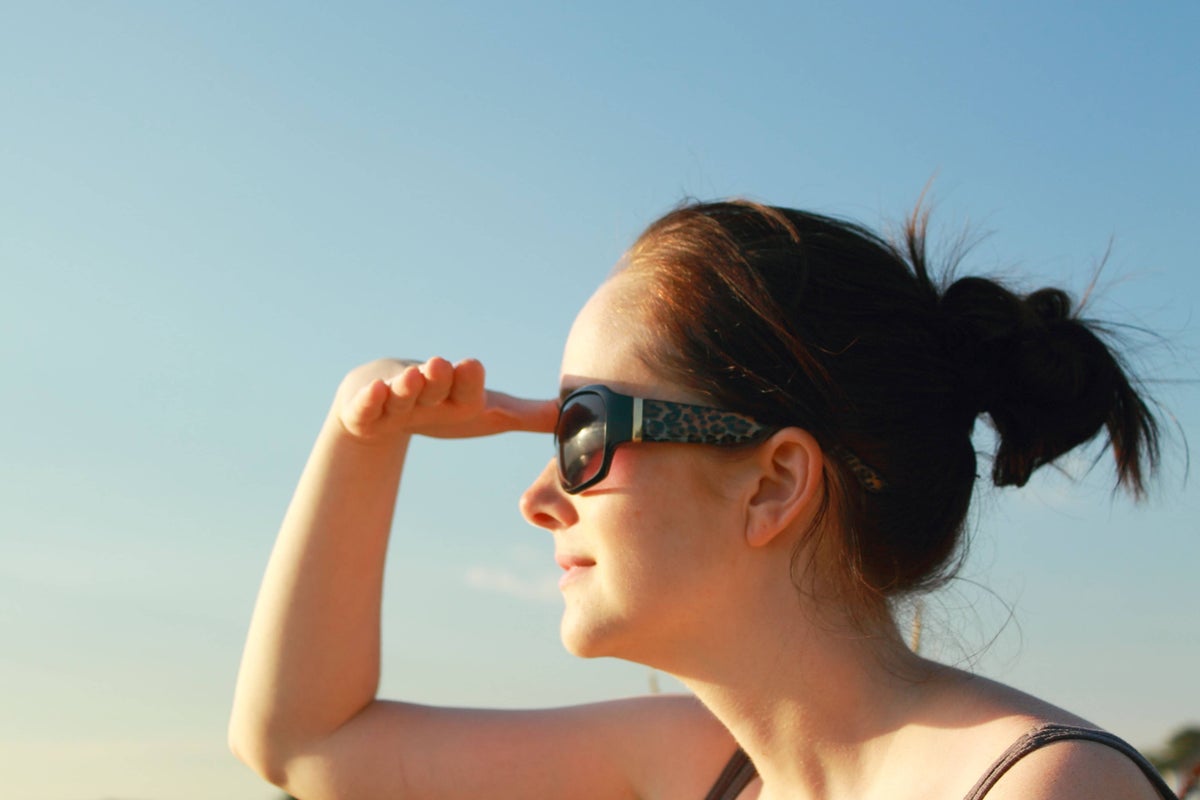
The Importance of Eye Protection in Sunny Weather
The recent period of clear skies and sunshine has been a welcome change for many, but it’s crucial to remember that the sun can have significant effects on our health, particularly on our eyes. While many people are quick to apply sunscreen when temperatures rise, eye protection often gets overlooked.
Dr Paramdeep Bilkhu, clinical adviser at The College of Optometrists, highlights the importance of protecting our eyes from UV exposure. “The eyes are a very delicate structure that enable you to see, and there are some effects related to UV exposure that can be harmful to the eyes,” he explains. “We want to make sure that people’s eyes remain healthy, so just like you would protect your skin from sunburn, especially during the summer months or when the UV levels are high between March and October, it’s also really important to protect your eyes.”
Short-Term Effects of Sun Exposure on the Eyes
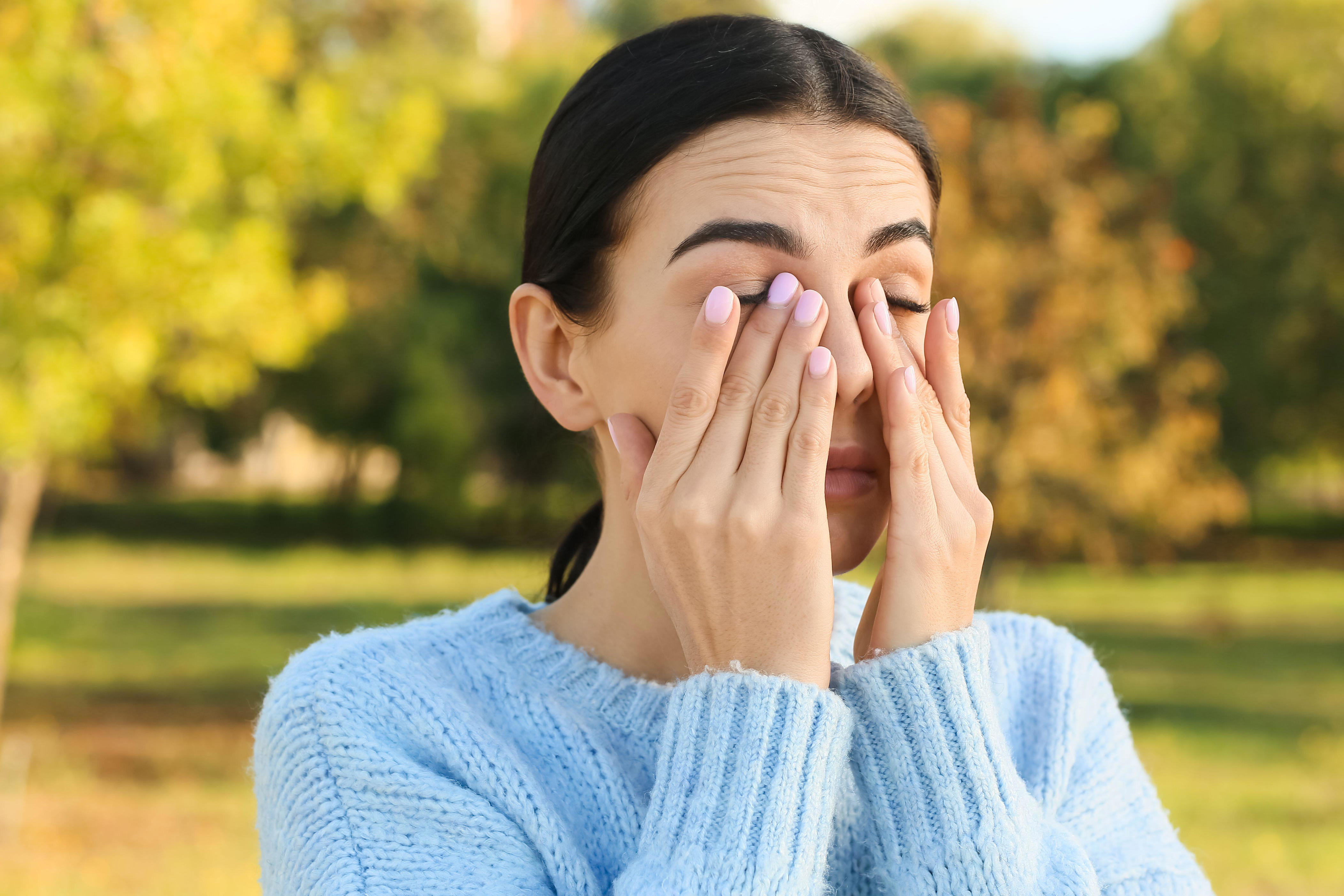
One of the short-term effects of high UV exposure is photokeratitis, which is essentially a sunburn of the eye. “This can be really painful and symptoms can include acute redness, watering, light sensitivity, and blurred vision,” says Bilkhu. “These symptoms usually occur in both eyes because both eyes usually have the same level of UV exposure.”
Bilkhu adds that this doesn’t just happen during sunny weather but can also occur at high altitudes, especially while skiing. “The sun doesn’t just come directly from the top while skiing; it also bounces from the ground on water, snow, and ice,” he explains. “It’s important to remember that UV levels can be high and cause damage even if the weather is overcast.”
Long-Term Effects of UV Exposure
In the long term, prolonged UV exposure can increase the risk of skin cancers around the eye. “One of the most common types of skin cancer is called basal cell carcinoma, which, although relatively slow-growing, does risk serious damage to the eye,” says Bilkhu.
UV exposure is also linked to eye diseases such as cataracts and macular degeneration. “If you spend a lot more time outdoors and the yearly UV levels are high, you’re more likely to get a more severe case of cataracts at an earlier age,” Bilkhu explains. “Similarly, there’s also been a link associated between yearly UV exposure and the development and severity of macular degeneration, which, if left untreated, can lead to permanent vision loss.”
Tips for Protecting Your Eyes
Here are some key tips to keep your eyes safe from UV damage:
Check the UV index: Most weather websites or apps will have a UV index. When the levels are above three, it’s time to take precaution by wearing good-quality sunglasses.
Get any symptoms checked out by a professional: If you experience any symptoms, it’s essential to get them checked by an eye health professional. Contact your local optometrist and make sure you get an appointment to examine your eyes.
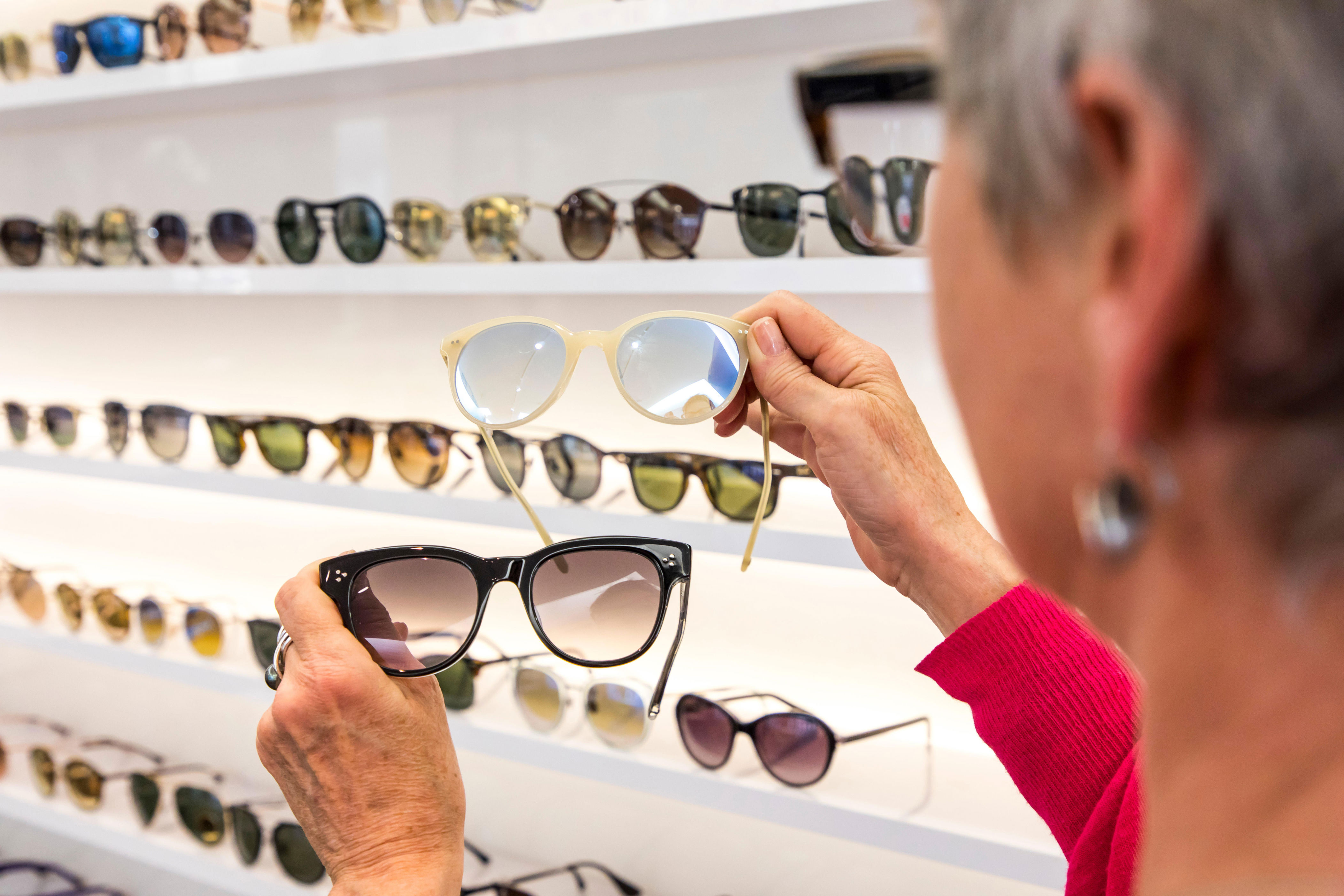
Choose good-quality sunglasses: A lot of people assume that darker tints provide more protection, but this is a myth. Look for the CE mark or the UKCA mark, which shows that the sunglasses meet British standards for UV protection.
Wear a wide-brimmed hat: This acts as an extra layer of protection, especially if you’re vulnerable to sunburn.
Consider a wrap-around style of sunglasses: These provide better protection as they block UV light coming from the sides.
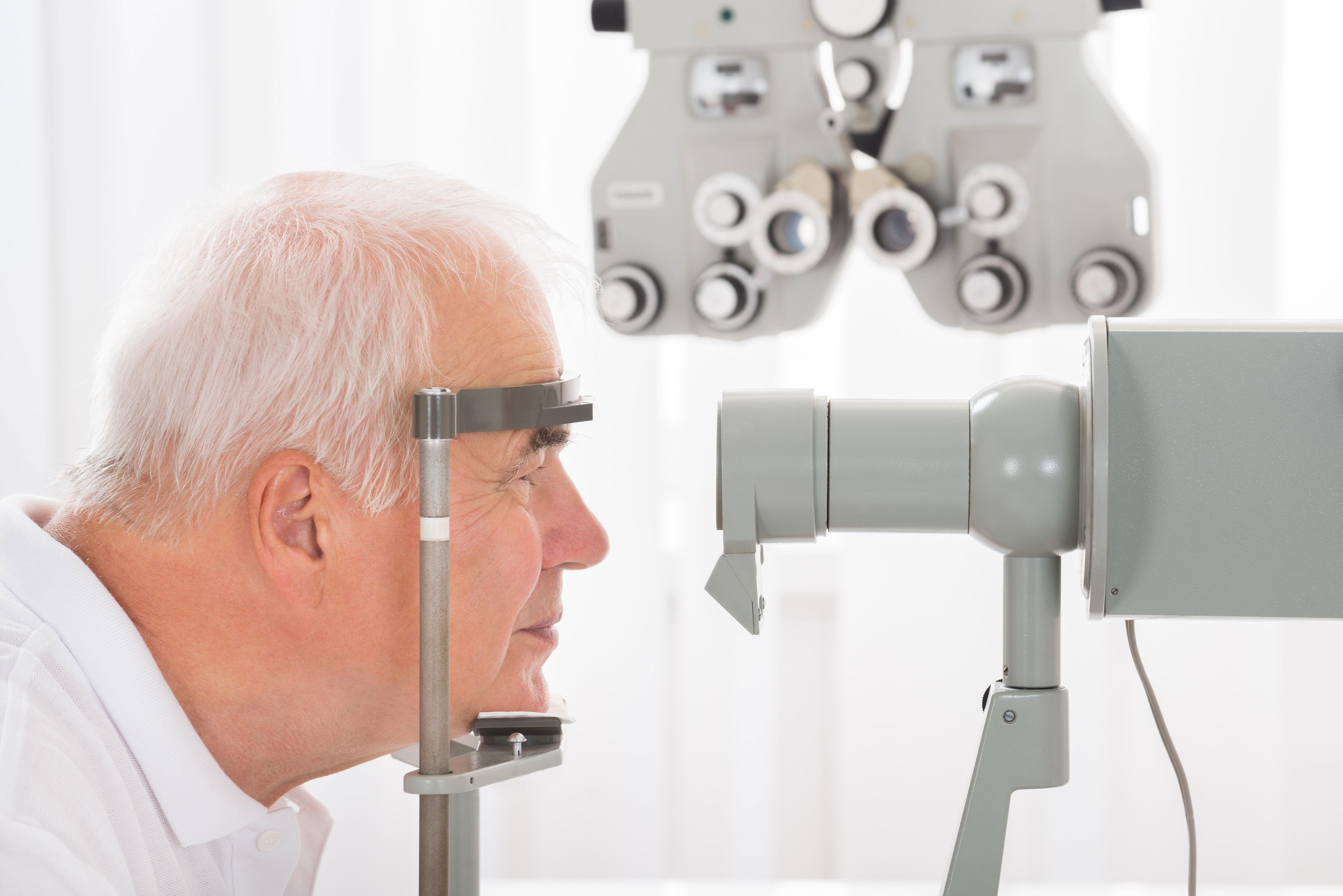
Attend regular eye tests: Even if you don’t have any symptoms, make sure to attend regular eye tests with your local optometrist, usually every two years. This is the best way to spot not only eye problems but also other health issues.