The Growing Debate Around Tipping in the UK
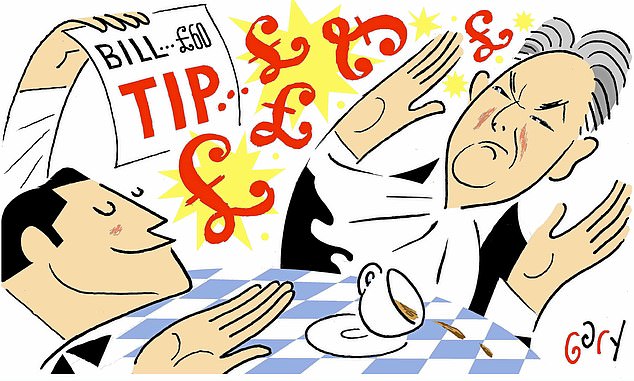
Tipping has become a contentious topic in the UK, with many people questioning its fairness and cultural relevance. What was once a simple gesture of appreciation for good service has now evolved into a complex and often confusing system that some argue is more about pressure than gratitude.
The issue has been reignited by high-profile figures such as Gordon Ramsay, who recently introduced an optional 20 per cent service charge at his restaurant, Lucky Cat, located on the 60th floor of a London skyscraper. This move sparked widespread criticism, with many seeing it as an example of the growing trend of “tip-creep” or “tipflation.” While Ramsay’s 20 per cent charge is only applied to seasonal menus, the overall increase in service charges across the country has raised concerns about how tipping is being used as a way to supplement staff wages rather than reward exceptional service.
Who Benefits from Tipping?
In the UK, the Employment (Allocation of Tips) Act, which came into effect in October 2024, aims to ensure that tips are passed directly to workers without any deductions by employers. This law is intended to benefit millions of workers in England, Scotland, and Wales. However, there are concerns that some employers may be reducing base wages, relying instead on tips to make up the difference.
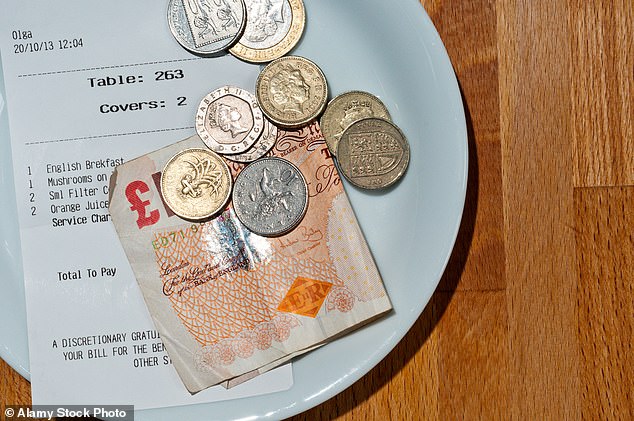
This raises questions about the true purpose of tipping. Is it meant to recognize good service, or has it become a standard part of the cost of dining out? Many argue that the practice has gone too far, with customers often faced with pre-set tip options when paying by card. These choices can range from 10 per cent to 25 per cent, making it difficult for customers to resist.
The Confusion of Tipping Etiquette
Tipping customs vary widely across different countries, adding to the confusion for both locals and tourists. In Japan, for example, tipping is considered rude, while in France, a 15 per cent service charge is typically included in the bill. In the US, tipping is expected and often goes beyond the basic 15 per cent, with some customers leaving as much as 25 per cent or more.
This variation makes it challenging for people to know what is appropriate in every situation. For instance, should you tip a hotel porter in Europe the same as you would in the US? Or should a taxi driver receive a tip in London but not in other cities? These questions highlight the lack of consistency in tipping practices.
The Psychology Behind Tipping
There is also a psychological aspect to tipping that many people may not fully consider. According to Meghan Mitchell, an instructor at Headspace, the discomfort some British people feel about tipping may stem from a clash between cultural norms and the increasing pressure to tip. In the UK, discussing money is often seen as inappropriate, and the expectation to leave a tip can feel like an unwanted negotiation.
Additionally, cognitive resources are often low after a long meal, making it easier for people to choose a pre-set tip amount rather than thinking carefully about their decision. This means that many people may not be tipping out of genuine appreciation, but rather to avoid social shame.
The Rise of ‘No Tipping’ Policies
In response to these concerns, some businesses are beginning to adopt a “no tipping” policy. All-inclusive holidays and hotels are becoming increasingly popular, as they offer a more straightforward and stress-free experience. Cruise lines and resorts now use “no tipping” as a selling point, emphasizing that service is included in the price.
For example, Saga includes gratuities for all on-board crew in the price of their cruises, while Sandals Resorts ensures that all team members are trained to deliver exceptional service as a standard, not as something earned through tips. This approach is seen as a way to provide consistent service without the pressure of tipping.
The Future of Tipping
As tipping continues to evolve, it remains a topic of debate. Some argue that it is an outdated practice that places undue pressure on customers, while others believe it is a necessary way to reward good service. The challenge lies in finding a balance that respects both the customer and the worker.
Ultimately, the decision to tip or not is a personal one. However, as more people become aware of the issues surrounding tipping, there is hope that a more fair and transparent system will emerge. Whether this happens depends on the choices made by consumers and the policies adopted by businesses.