Culinary Trends Shaping 2026
Eating habits are constantly evolving, and new trends emerge every year. These trends affect everything from restaurants and their practices to home cooking and the origins of ingredients. Drawing sometimes on time-honored traditions and other times on technological innovations, these food trends share a common goal: to improve our diets, diversify them, and make them healthier. The year 2026 is full of culinary innovations; here are 15 that we’ve selected for you.
Fermentation
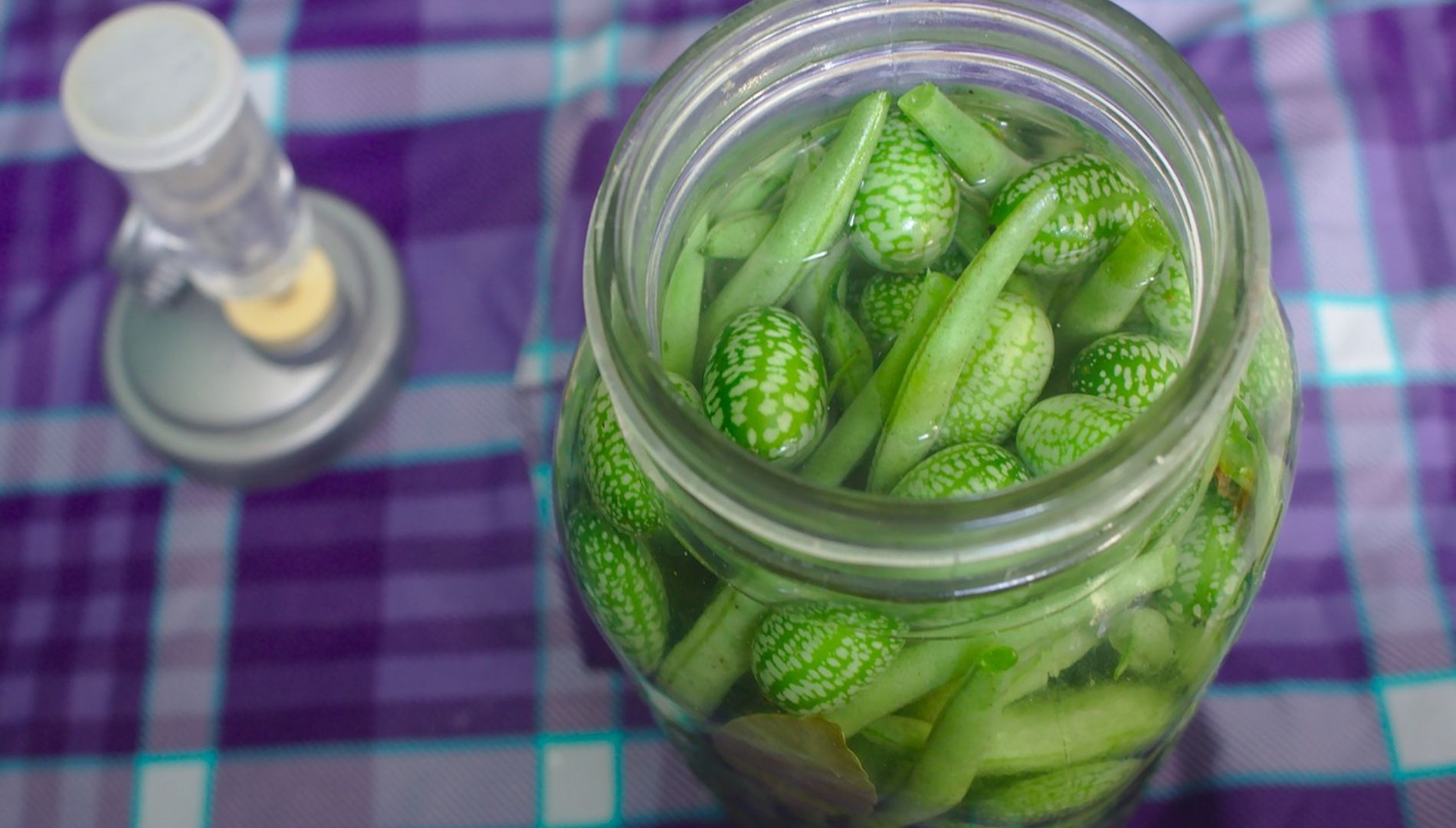
Food fermentation is a practice that has been around for thousands of years, but it’s making a big comeback this year. Fermentation—or, more specifically, lacto-fermentation—involves placing vegetables in jars filled with solutions that deprive them of oxygen. This environment promotes the growth of lactic acid bacteria, which partially break down the food, making it easier to digest, richer in flavor, and more delicious. Fermented vegetables are now available at many restaurants and are increasingly being prepared at home.
Plant-Based Proteins

Protein production consumes a lot of resources, which harms the environment. Growing public concern about climate change has fueled the rise of alternative proteins, particularly plant-based ones. This year, plant-based “fake steaks” will be all the rage, but they won’t be the only trend. New products are hitting the market, including various types of sausages, tenderloins, nuggets, pork chops, and egg substitutes. However, consumers should remain cautious about the ingredients in these products, as they are often considered ultra-processed foods.
Zero-Waste Cooking

Changing attitudes and a growing interest in resource conservation have made the fight against waste one of the top priorities of the moment. This reality applies to families as well as restaurant owners, and both are striving, each in their own way, to reduce food waste. This year, we will therefore see many restaurants offering reimagined recipes using ingredients that are still safe to eat but were destined for the trash. At home, using leftovers will be very popular, driven by both environmental and economic motivations.
The Year of the Locavore
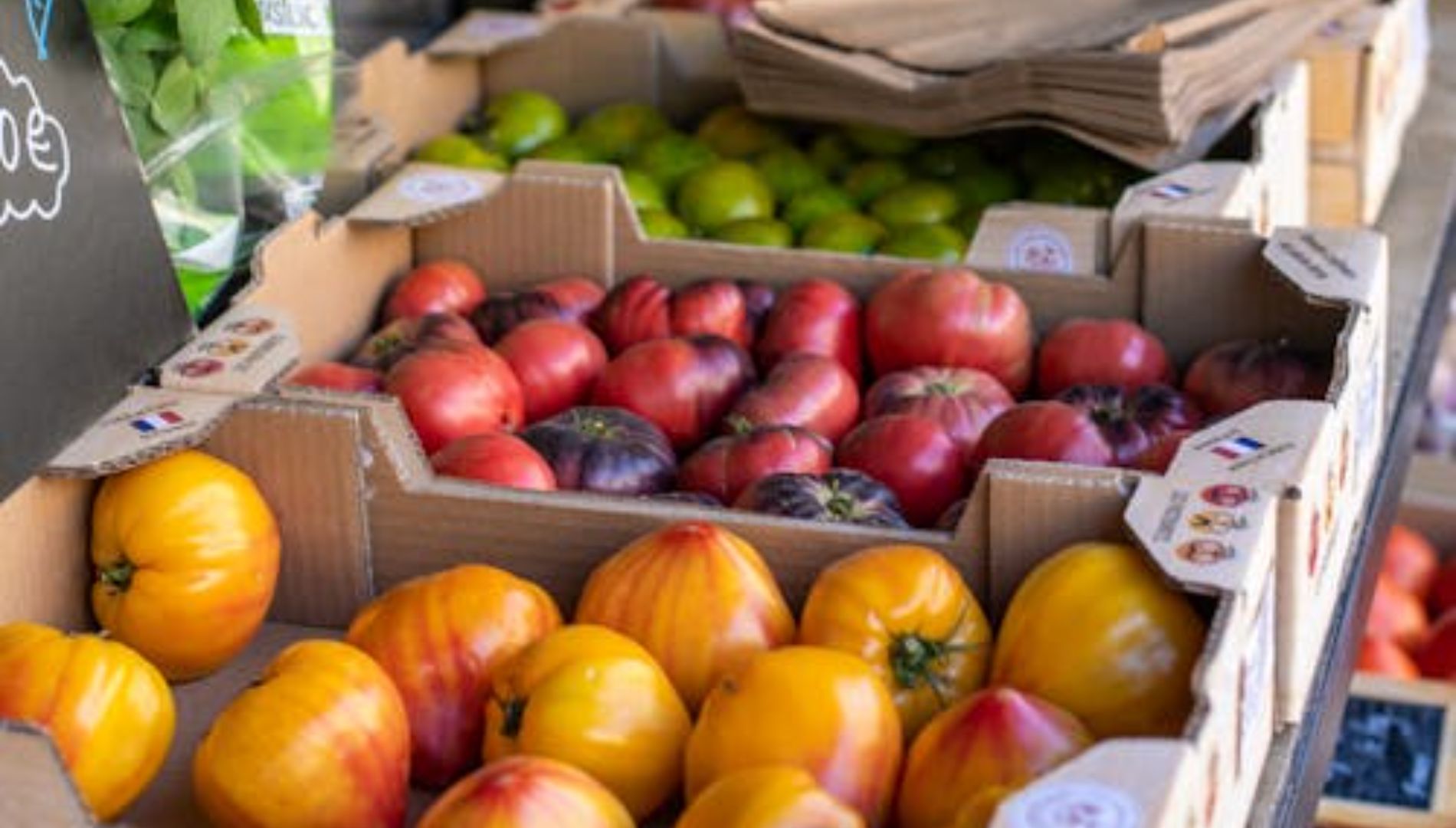
Eating locally is becoming increasingly popular, and this year will undoubtedly be the year of the locavore. We’re seeing the emergence of many restaurants that serve only local products, typically sourced from farms located within 60 kilometers. This trend is as much about the environment as it is about culture, as consumers have shown a desire to reconnect with their regions. Restaurants aren’t the only ones riding this wave. Many supermarkets are establishing partnerships with local producers in every region.
Street Food is Getting Better

This year will also be the year of street food—but not just any street food. Standards for food quality continue to rise, and street food will have to adapt to consumers’ tastes. We will therefore see more and more establishments offering high-quality street food, almost at a gourmet level. Consumers will thus be able to enjoy gourmet burgers, pizzas with complex flavors, refined doughnuts, and other on-the-go treats, but in a spirit reminiscent of Michelin-starred restaurants.
The Rise of Single-Concept Retailers
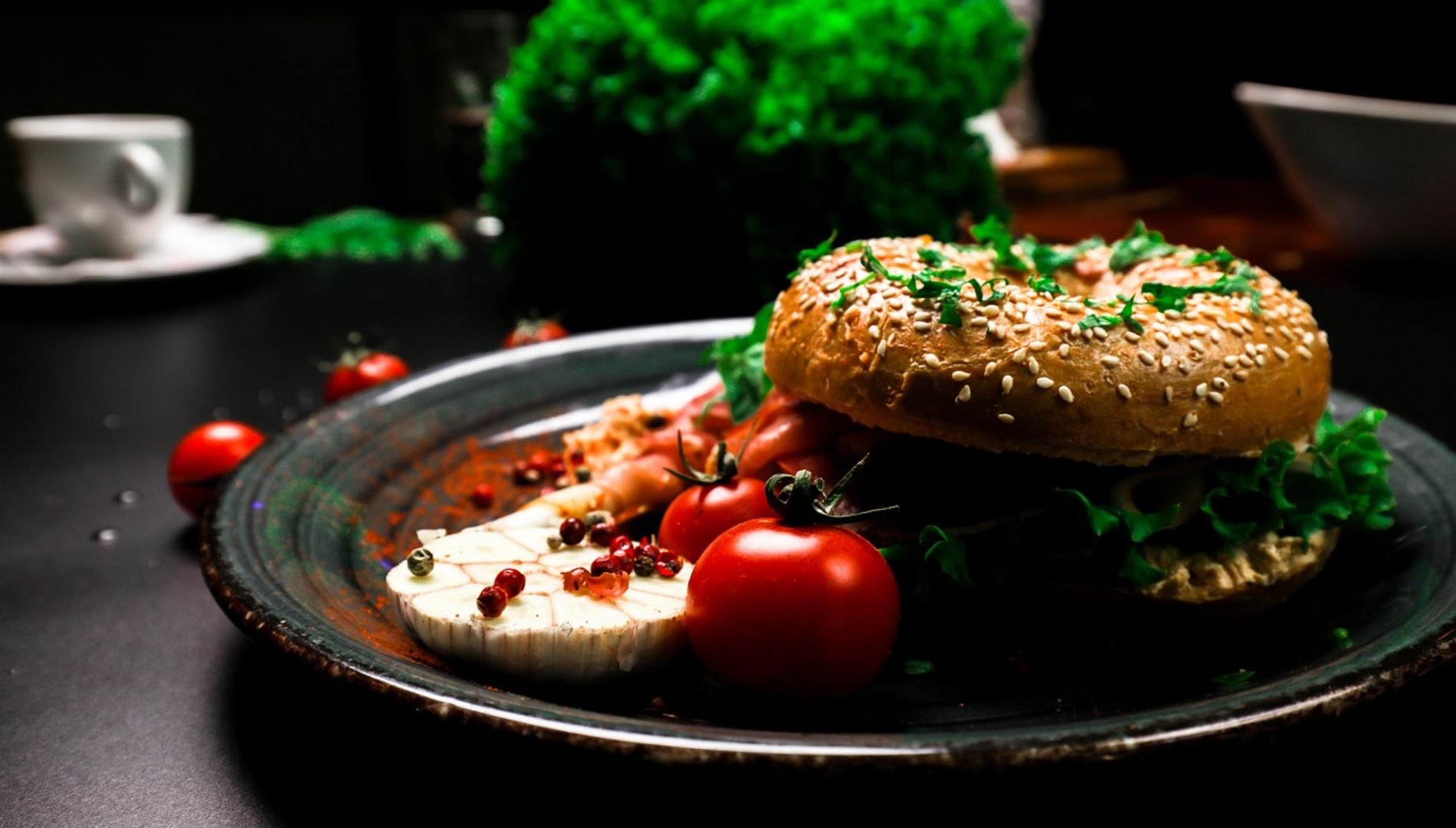
To master an art, one must specialize exclusively in it and devote oneself entirely to it. This is a belief shared by a growing number of retailers offering single-concept food stores. These are food shops that sell only a single product: a bagel, a hamburger, a brownie, or even a drink. This concept already existed, particularly with pizza, but it is expanding to other products and has been experiencing undeniable growth for some time now. This year, we will see even more of these types of stores, which is sure to please purists.
The Return of Traditional Cuisine
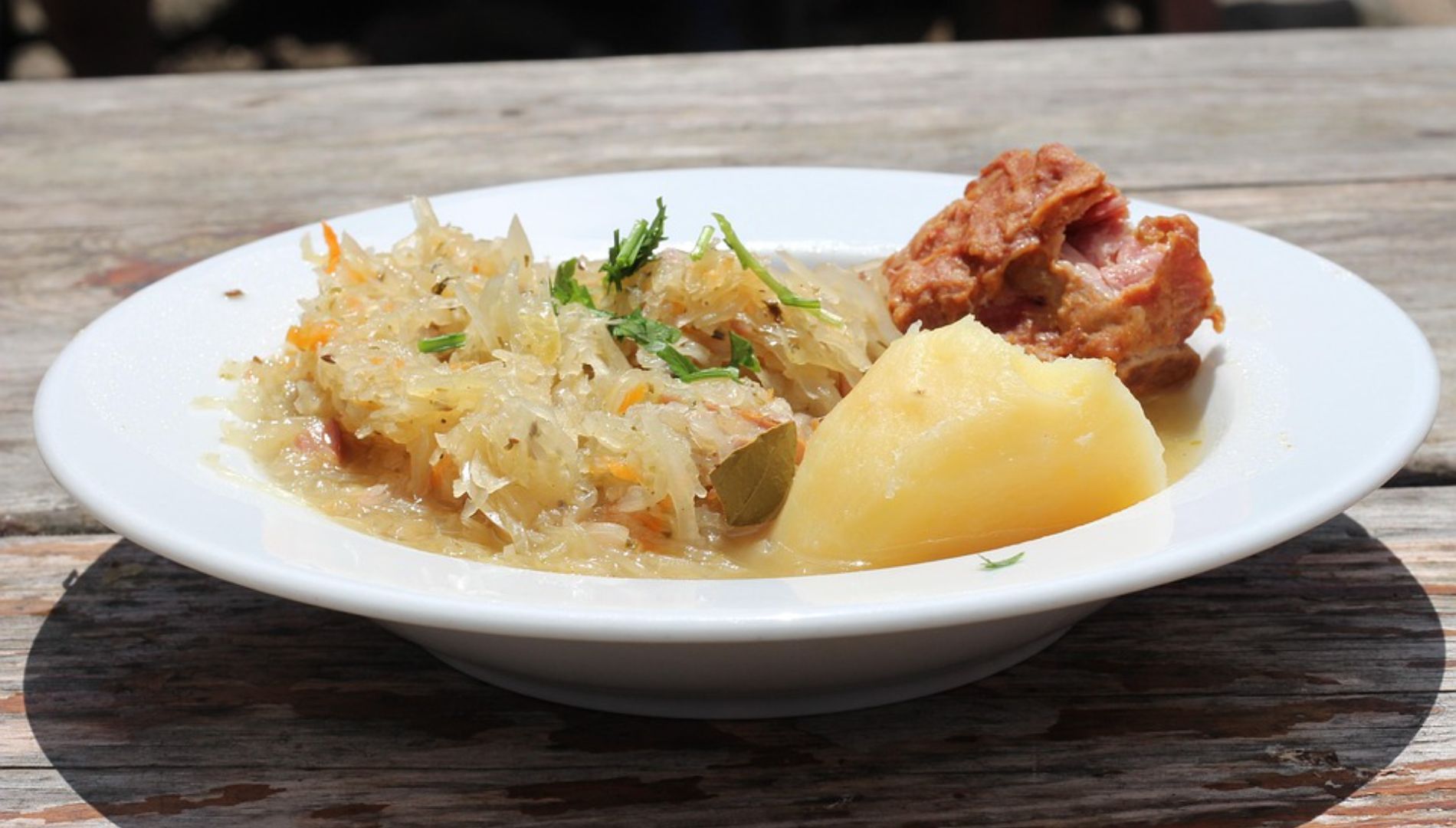
Local cuisine and traditions are all the rage, a trend reflected in both restaurant and home kitchens. This year will also mark a return to traditional regional cuisine, featuring dishes that are less sophisticated but flavorful, hearty, and authentic. This trend reflects a popular desire to reconnect with ancestral local cultures and a rediscovery of nearly forgotten culinary traditions. Marrow bones, sauerkraut, and veal blanquette will therefore be more in vogue than ever.
The Kitchen of Sharing
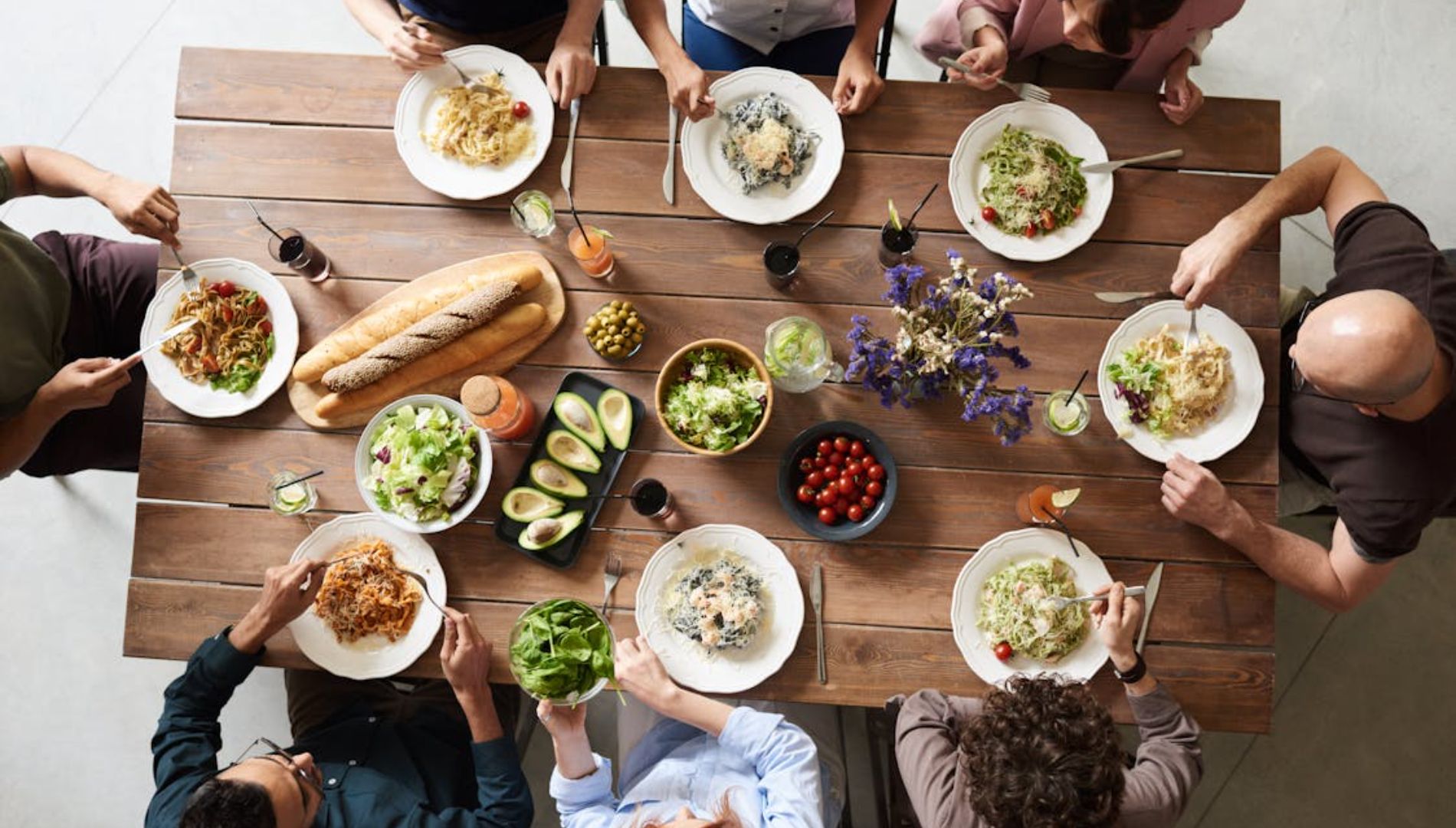
By 2025, cooking will be more than ever an invitation to share and socialize. The need to come together and share moments with loved ones—and even with strangers—remains strong. To meet this need, apps are offering the chance to dine with strangers around a specific conversation topic. There are also initiatives that invite neighbors to cook together and share a meal. Many restaurants are also embracing the idea of seating strangers at the same table.
Exotic Cuisines
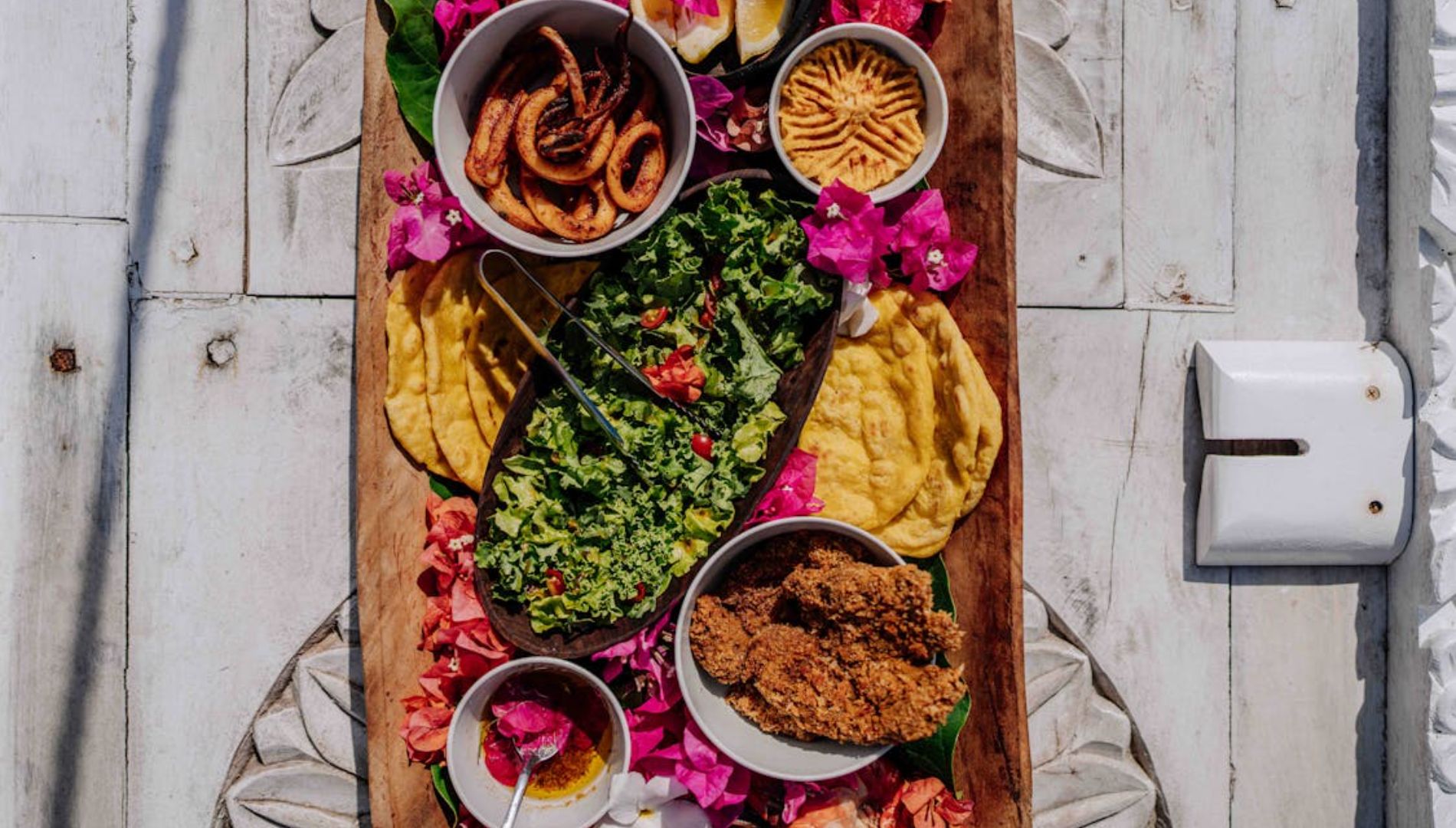
Thanks to the rise of social media and cross-border sharing among users, more and more local consumers are discovering dishes and products from the other side of the world. It’s no surprise, then, that exotic cuisines are all the rage this year. Whether in restaurants or among home cooks, Asian, African, and South American cuisines are on the rise. We’re seeing major trends around Japanese ramen, Senegalese mafé, Vietnamese pho, and Hawaiian poke.
New Wines
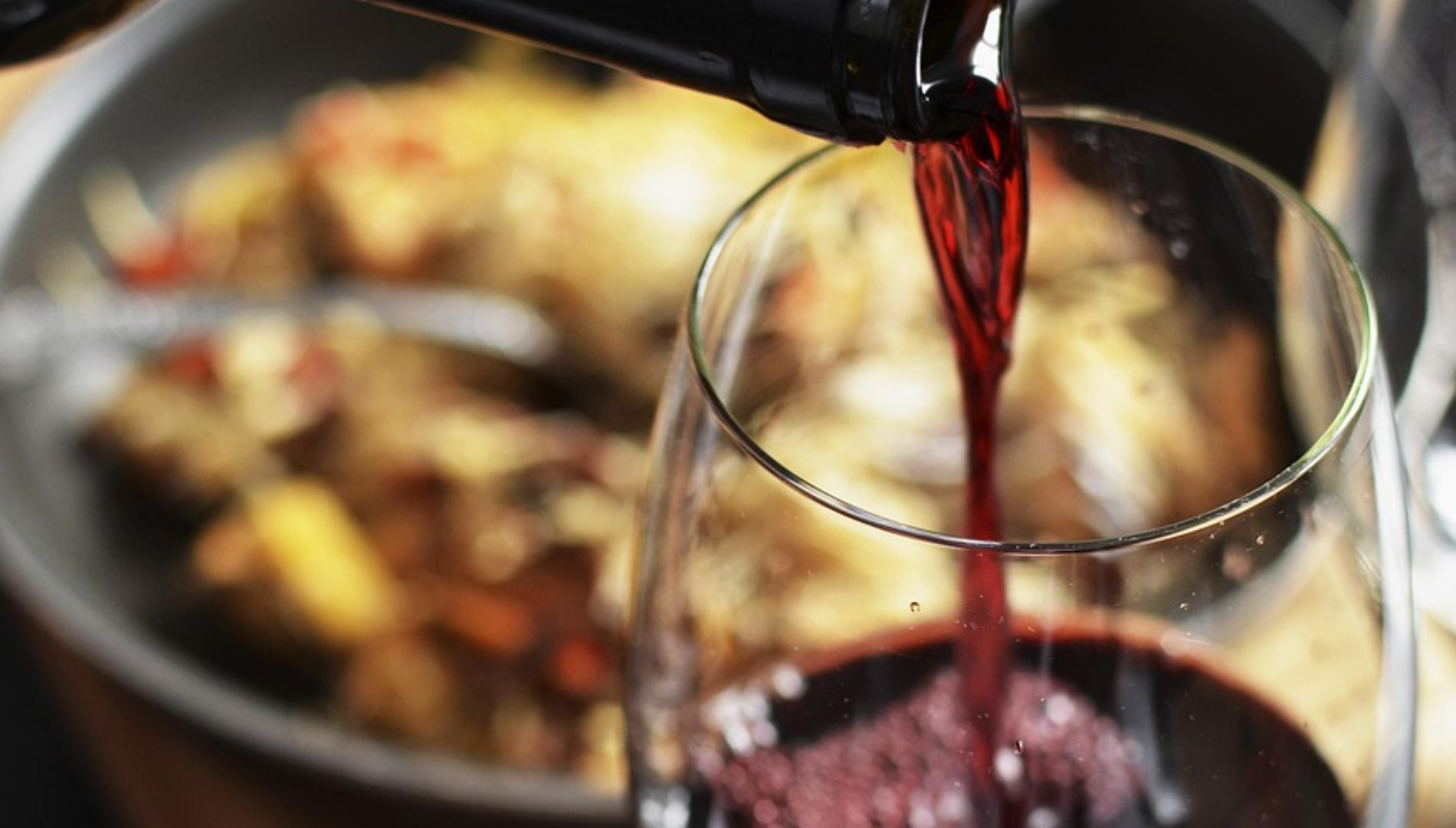
By 2025, you’ll find wines on your tables that were previously little-known. The wine industry is evolving to offer products that meet the expectations of consumers. As a result, organic wines will be offered by a greater number of restaurants, as will biodynamic wines, sulfite-free wines, and even, wines made from new, more original and daring blends. You can also expect to see more exotic wines on the menu and new colors in your glasses.
Fusion Cuisine
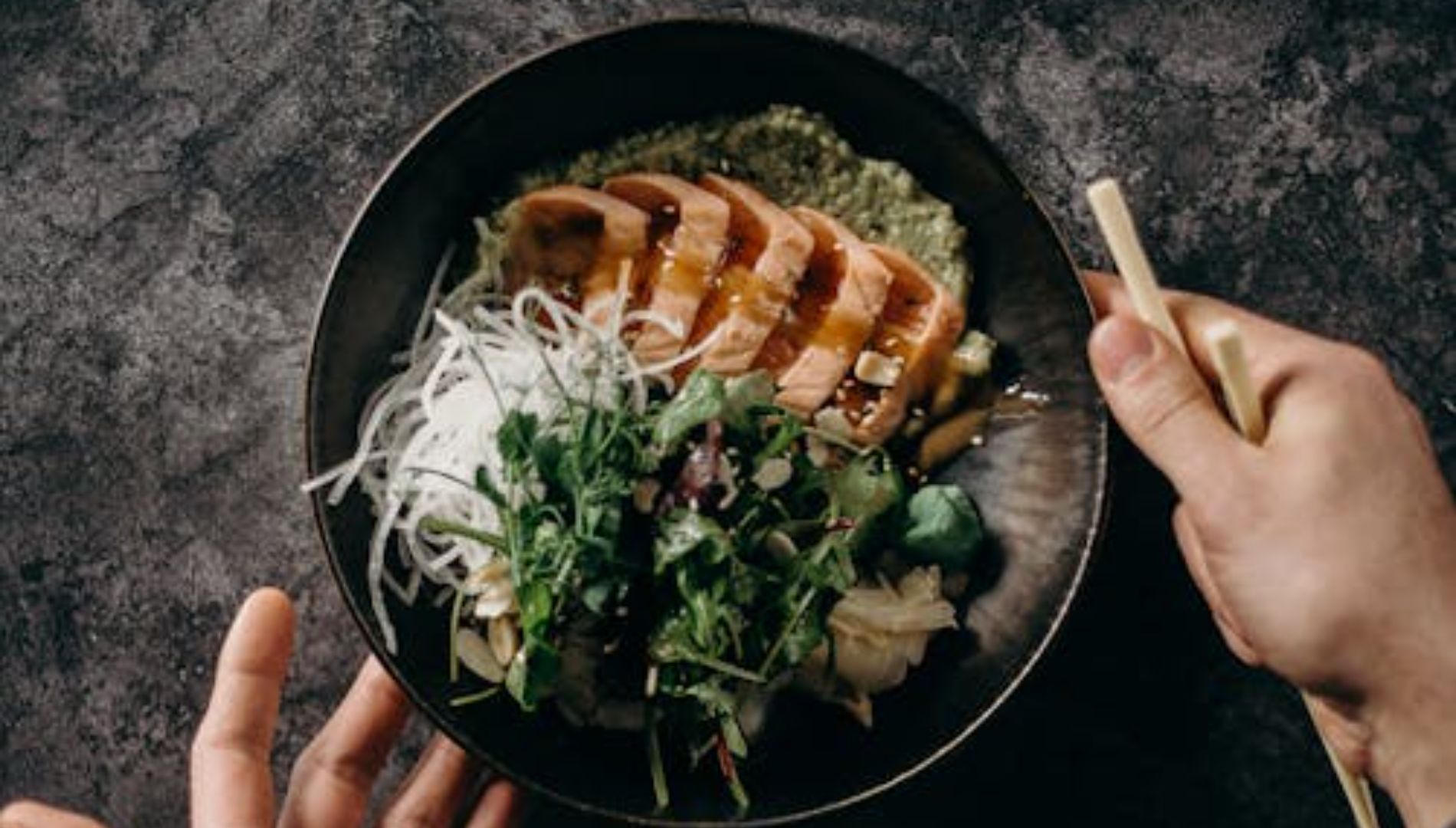
Cuisine is becoming increasingly international, giving consumers access to flavors they’ve never experienced before. The fusion of culinary traditions from around the world is indeed yielding wonderful results. As a result, we’re seeing the emergence of many restaurants offering, for example, dishes that blend Iranian flavors with French traditions, Italian-Maghreb dishes, or recipes that combine Indian spices with high-quality French local ingredients. Fusion cuisine is one of the major trends to watch out for and is definitely something to enjoy this year.
Featured Vegetables
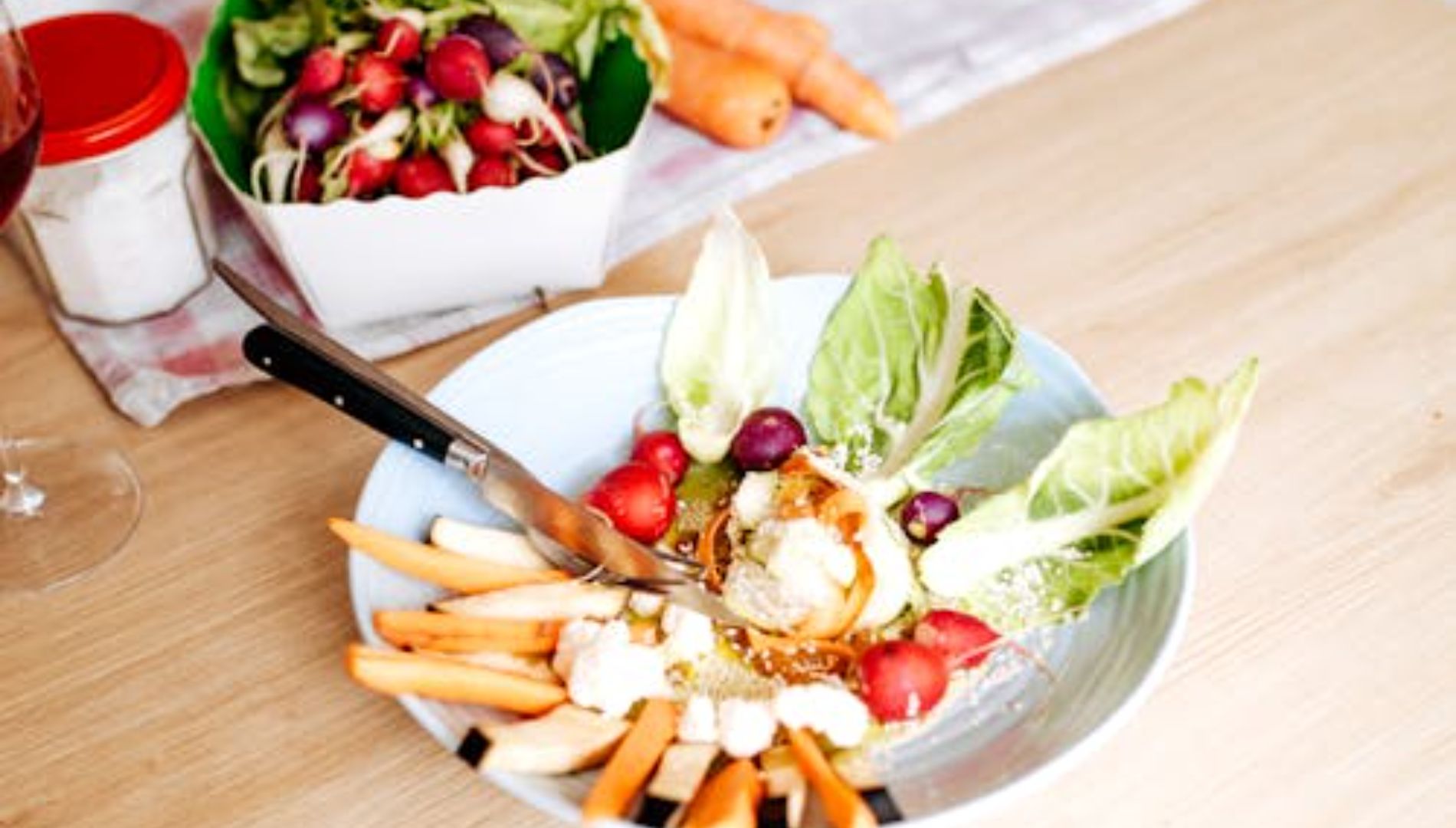
Vegetables will be the undisputed stars on our tables this year. They are, in fact, making a comeback among consumers, as more and more people realize that it isn’t necessary to eat meat at every meal. Vegetables are therefore being highlighted with new, cooler ways to cook them. Whether raw in salads, grilled, or fried without oil, vegetables will be served in endless variations this year, much to the delight of food lovers.
More Creativity in Hot Drinks

This year, get ready to discover even more delicious hot drinks featuring unusual ingredients, particularly spices. These more elaborate recipes meet consumers’ demand for originality and novelty. This need is being met through the use of products that sometimes come from far away, as is the case with mate, which is gaining popularity. Coffee, meanwhile, is becoming more sophisticated, both in terms of preparation methods and the ingredients it’s blended with.
The Rediscovery of Traditional Breads
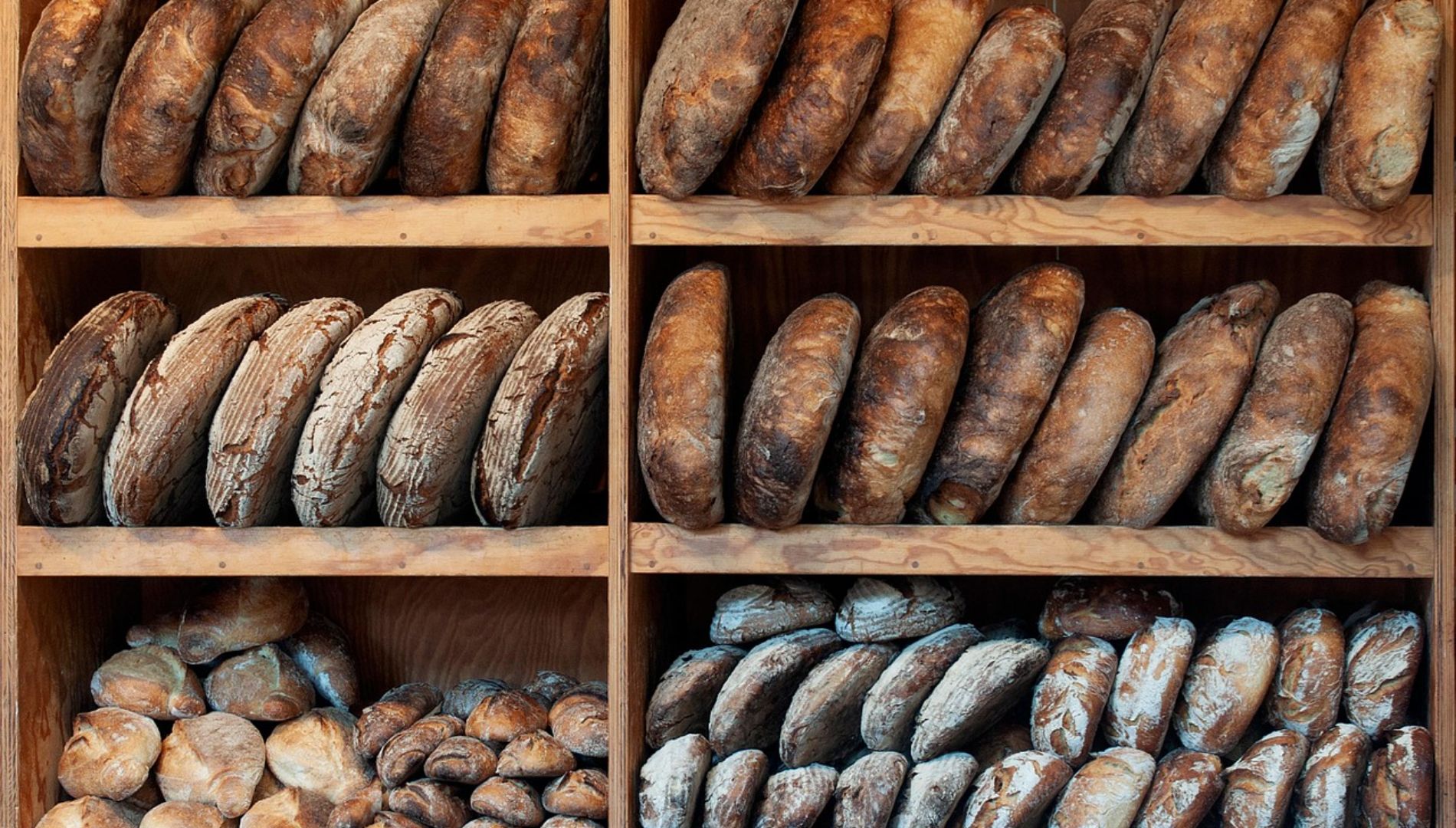
The traditional baguette remains a staple, but other types of bread are starting to gain popularity and will take center stage this year. These are traditional breads that had fallen out of favor for a time. They are generally made with less refined flours and sometimes include various seeds. They are more colorful and more nutritious, as well as being healthier. Their flavor is also undeniable, contributing to the triumphant return of breads like the bourguignon, the floron, and the pain de Méteil.
Regenerative Cuisine

Regenerative cuisine is based on healthy, wholesome foods and cooking methods that preserve their natural qualities. This new approach aims to make cooking a remedy for the ills of modern life. This year, we will therefore see a proliferation of detox juices and dishes whose creators will tout their benefits for both body and mind. This cuisine is available in many restaurants and in recipes featured in cookbooks and on social media for home cooks.