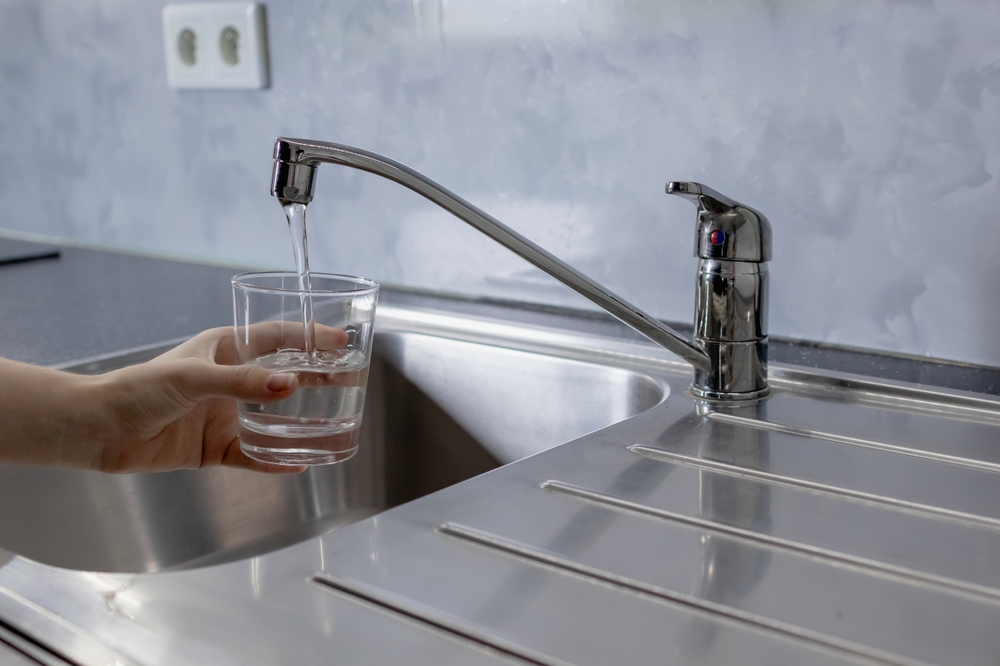
Recognizing the Signs of Dehydration
There are several signs that indicate you may not be drinking enough water. These include dark urine, fatigue, headaches, and a sluggish digestive system. These symptoms occur because the body lacks the fluids it needs to function optimally. Staying properly hydrated is essential for maintaining overall health and well-being.
Understanding Individual Water Needs
Water requirements vary from person to person and depend on factors such as weight, temperature, and activity level. While there is no one-size-fits-all approach, understanding your personal needs can help you maintain proper hydration. According to Tua Saúde, individual water intake should be adjusted based on these variables to ensure the body functions at its best.
The Role of Water in Digestion and Absorption
Water plays a crucial role in digestion. It helps the body break down food and absorb nutrients such as vitamins and minerals. According to a review published in Nutrition Reviews, fluid intake significantly affects how the stomach and intestines function. If the body lacks sufficient fluids, absorption may be reduced, leading to abdominal discomfort and other digestive issues.
Practical Recommendations for Proper Hydration
A common rule of thumb for daily water intake is to drink around 30 to 35 milliliters of water per kilogram of body weight. For a person weighing 70 kilograms, this corresponds to approximately 2 to 2.5 liters daily. However, it’s important to note that this amount can vary depending on individual circumstances.
It is best to drink water consistently throughout the day rather than consuming large amounts at once. This helps maintain steady hydration levels and supports bodily functions. Additionally, water needs may increase during hot weather, when engaging in physical activity, or when experiencing illness. In such cases, it’s essential to monitor your fluid intake closely.
Additional Sources of Fluids
While water is the most straightforward way to stay hydrated, fluids can also be obtained from foods such as fruits and vegetables. Many of these foods have high water content and can contribute to overall fluid intake. Incorporating a variety of hydrating foods into your diet can support your hydration goals and promote better health.
Other Health-Related Topics
In addition to hydration, there are many other health-related topics worth exploring. For instance, certain dreams recur among dying patients at night, highlighting the importance of understanding end-of-life experiences. Another area of interest is the impact of eating brazil nuts every day, which can have significant effects on the body due to their high selenium content. Furthermore, new studies suggest that naps may be linked to increased mortality, emphasizing the need for further research into sleep patterns and their effects on health.
By staying informed and making conscious choices about your health, you can take proactive steps towards a healthier lifestyle. Whether it’s through proper hydration, mindful eating, or understanding the latest health research, every decision contributes to your overall well-being.