A Unique Learning Environment
In a small blue room at The Y in Broken Hill, there are a few desks, a whiteboard, and shelves filled with games. This is where Jordan spends their time on Mondays and Wednesdays instead of attending school. They are not required to be here, but they return week after week because this classroom provides something that traditional school lacks.
The main focus of the lessons here is on social and emotional wellbeing, including conflict management and impulse control. For Jordan, who uses a different name, these lessons were essential. “It helps you think before you act … so I don’t start hurting stuff,” they said.
Building Trust and Relationships
Jordan initially felt uncomfortable when starting the Alternative Suspension program, but it was the strong relationships with the youth workers that kept them coming back. “Once I got comfortable with the youth workers, it was easier to enjoy and learn,” they explained.
Alternative Suspension is a pilot program for The Y NSW designed to address the underlying causes of behavior that leads to suspension. It has a long history of success in Canada and parts of Europe, where it has been running for over 20 years. The program arrived in Australia in 2023, starting in Western Sydney and the NSW Central Coast, then expanding to Oran Park and further west to Broken Hill.
Between February 2023 and December 2025, the program has welcomed 520 students across the four locations. Students are referred by their high schools or deputies, but parents can also recommend their child for admission. While it is not mandatory, the youth workers work hard to connect with the students and encourage participation.
“We can’t force them,” said Sarah Hinton, youth program coordinator for The Y in Broken Hill. “But those relationships really help keep them in the program.”
Creating a Safe Space
It’s easy to see the rapport the youth workers have built with Jordan, who feels that their school teachers do not understand them. The Broken Hill program currently has three to four students, with a capacity of six at a time. Ms Hinton said the small group size allows for one-on-one work with the students.
“In school, we see larger class sizes, the pressure from the curriculum side of things, and limited time in that therapeutic intervention,” Ms Hinton said. “With Alternative Suspension, we fill those gaps by addressing the underlying causes of the behaviour, not the behaviour itself.”
The program has allowed Jordan to come out of their shell. “My favourite part is the smaller learning space, and it’s also nice to have breaks,” they said. “There are less distractions and it’s easier to ask for help.”
Developing Life Skills
The program serves as an intervention for young people who might fall through the gaps of the traditional schooling system. Their routine is slower and often starts with a board game or icebreakers, which are used to improve communication skills, impulse control, and conflict management.
“There are those skills hidden in the games that teach them how to stop, have that pause, and breathe if they’re becoming frustrated,” she said. They also take breaks to go outside and exercise.
“We’re pretty flexible with our routine, so we will shift things based on the day and the weather … and based on students’ moods as well,” Ms Hinton said. It is about building confidence and resilience as well as developing life skills.
“Our program provides the time and space for reflection away from school pressure, with intensive relationship-based support,” Ms Hinton said. Time is allocated to help with schoolwork and goal setting, as well as exploring skills needed for further education or employment.
“We teach the life skills that they might not know how to do or just haven’t had the opportunity to learn.”
Connecting Children to School
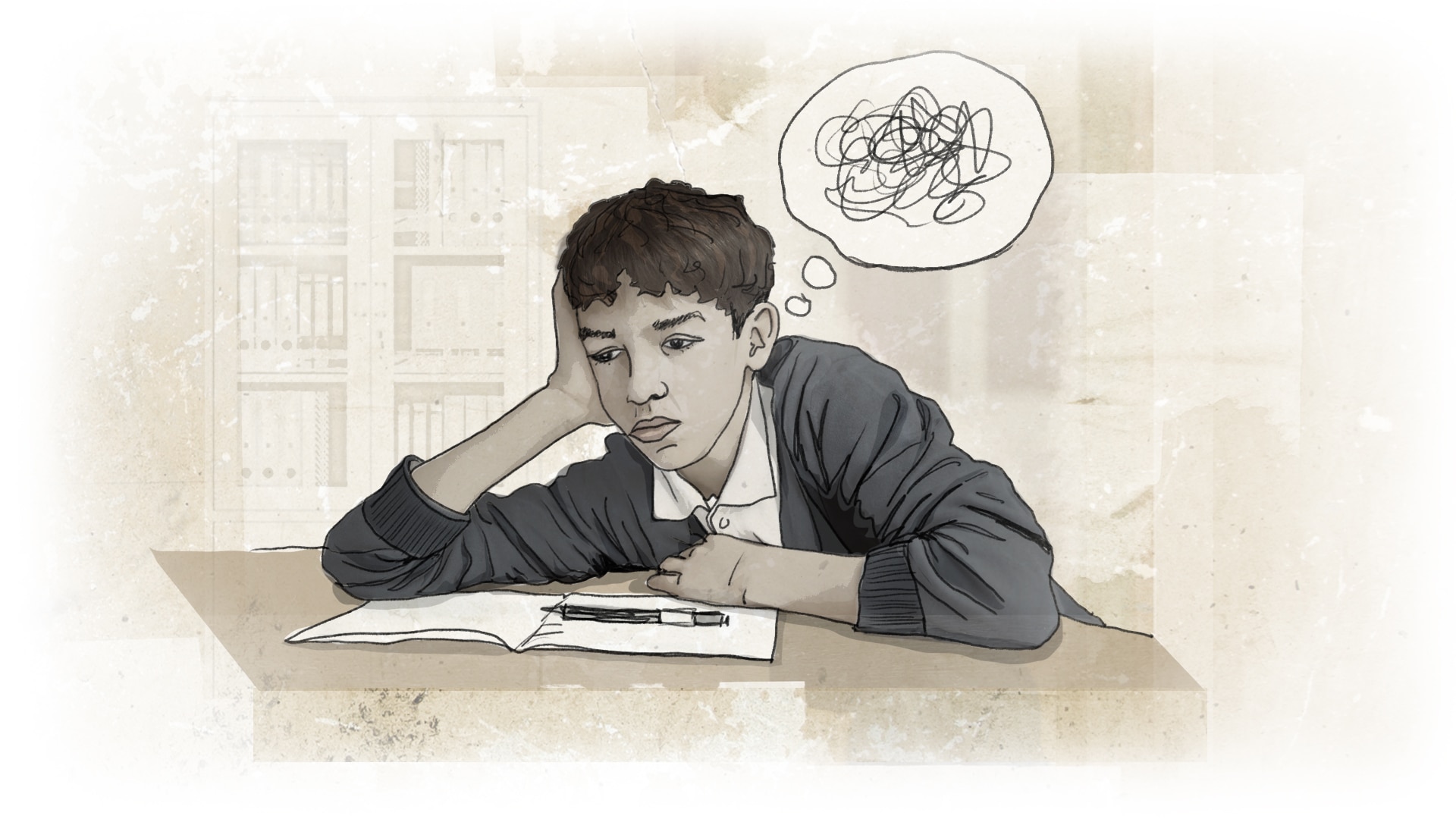
Research shows that school suspensions result in a range of adverse educational, social, mental health, and criminal consequences. Suspension rates are also higher among children from socio-economically disadvantaged backgrounds, those living in regional and remote areas of NSW, and those with emotional or behavioural disabilities.
A study of New South Wales public school students found 60 per cent of those who receive a suspension were suspended multiple times. Almost half of the students who had at least one suspension were no longer enrolled by year 12.
Queensland University of Technology professor Kristin Laurens believes suspensions should be the absolute last line of defence. “My concern is that if you’re pushing a child out into suspension, you’re actually taking them away from the opportunity to learn the pro-social behaviour,” Dr Laurens said.
While she believed programs such as Alternative Suspension could be an important resource, she said there should be better in-house, holistic supports to ensure students stay connected to school.
“Place-based programs can be useful augmentations for children that need higher levels of support,” Dr Laurens said. “But I don’t think they’re a substitute for what needs to be delivered within a school environment. Schools have got to be set up to make sure that they are delivering the sort of social and emotional skills building for all students.”
Exploring Expansion
The effectiveness of Alternative Suspension is being evaluated in a study of longitudinal qualitative and quantitative data by Western Sydney University. Principal investigator Ann Dadich said the evaluation would address three key questions: whether participants’ behaviours altered after attending the program, whether attendance and engagement in school improved, and what critical features of the program drove positive effects on students.
It will be published by the end of this year or early next year, with plans to release the findings publicly. The Y’s own data, from a sample of 169 program participants, showed 67 per cent received no further suspension, and 37 per cent showed improvement in academic engagement after participating in the program.
There has also been a 34 per cent reduction in physical violence. Ms Hinton said The Y had been lobbying MPs and policy makers across NSW, advocating for a statewide expansion.
“Expansion opportunities include regional and rural communities with limited youth services, [and] metropolitan areas with higher suspension rates,” she said. The organisation is also looking at embedding the program within government-funded early intervention systems.
In Broken Hill, Ms Hinton said she was certain the program was making a difference. “Without it, young people would not have a trusted adult, a youth worker to talk to … and a space to keep them engaged,” she said. “We would definitely see a higher suspension rate [and] more disengagement with school.”