Dingo Sightings at Pilbara Primary School Spark Concern
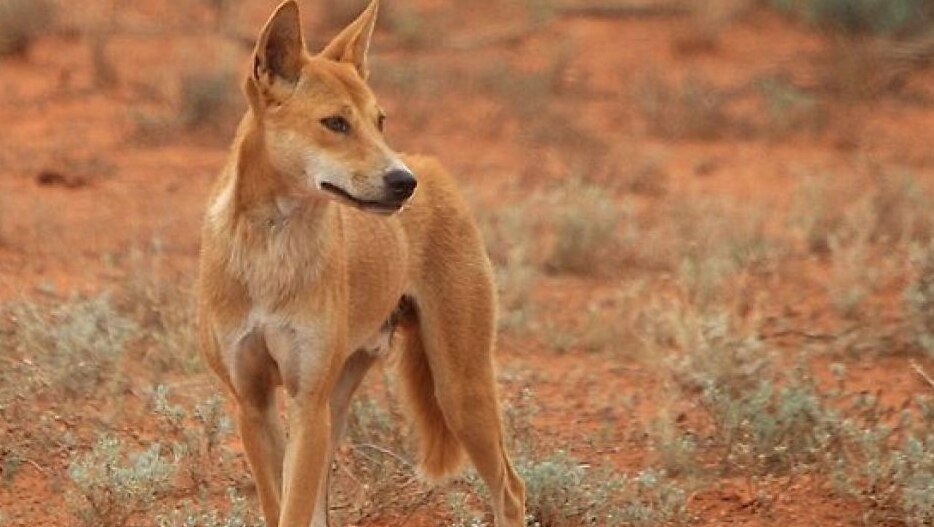
Sightings of dingoes near a primary school in the Pilbara have raised concerns among parents, with many questioning whether it is safe for children to walk around the town independently. The incidents occurred at Dampier Primary School just before the start of term two, prompting the City of Karratha to issue a social media notice about the animals.
Phil Shiner, a father from Dampier, reported seeing dingoes during the day at the end of his street. He noted that the animals appeared more desensitised to people, which made him question whether he should allow his children to walk to their friends’ houses on their own.
Laura Dent, whose four-year-old son attends the primary school, described the situation as “pretty scary” and said many of her friends were “stressed out” by the sightings. She explained that children in Dampier often live out in the streets, riding bikes and visiting each other’s homes. The proximity of the dingoes to the school has heightened fears among parents.
In response, the school has taken measures to ensure student safety. They have kept children off the oval and had them eat inside the building. Parents are also being asked to pick up their kids to prevent them from lingering in the area.
The Department of Education did not respond to questions from the ABC regarding the dingo sightings, instead directing inquiries to the City of Karratha and the Department of Primary Industries and Regional Development.
Community Response and Concerns
Simon Hubbard, regulatory services manager at the City of Karratha, stated that the council was unaware of where the dingoes had come from. He mentioned that they have been in contact with the education department due to the sightings near the primary school. While there is speculation about why the dingoes are coming into the area, Mr. Hubbard believes that an accessible food source in Dampier may be the reason.
“We ask people to refrain from feeding them,” he said.
Trish Fleming, an ecologist from the Harry Butler Institute at Murdoch University, suggested several possible reasons for the presence of the dingoes. She noted that it could be a single group of animals moving through the area or a result of successful breeding among local females, leading to an increase in the dingo population. Young dingoes typically leave their dens and become independent after eight to nine months, making this a time when they may be searching for new habitats.
Controversial Euthanasia of a Dingo
Last week, a dingo was euthanased at Karijini National Park following attacks on small children, causing widespread concern on social media. The City of Karratha later confirmed that a locally captured dingo had been euthanased.
Ms. Dent expressed sadness over the decision, stating, “They definitely need to be out of town, but it does make me a bit sad they had to be euthanised.”
Heather Osborne, a local wildlife enthusiast, was also upset about the dingo’s death, despite no attacks or aggression being reported. She emphasized the importance of co-existing safely with wildlife, saying, “We need to explore humane and effective solutions first. Is killing our only possible solution? I don’t know if it is.”
Understanding Dingoes in the Pilbara
Rose Best, chair of the Pilbara Wildlife Carers Association, highlighted that Pilbara dingoes are quite different from those in other regions, such as K’gari. She described them as “very timid, very shy” and noted that while they may walk the streets, they tend to run away if someone makes noise.
Ms. Best, who has a pet dingo, stressed the importance of vigilance but also pointed out that dingoes are less of a threat compared to other wildlife in the area. She urged the community to understand and respect these animals while taking necessary precautions.