The Hippo Legacy of Pablo Escobar
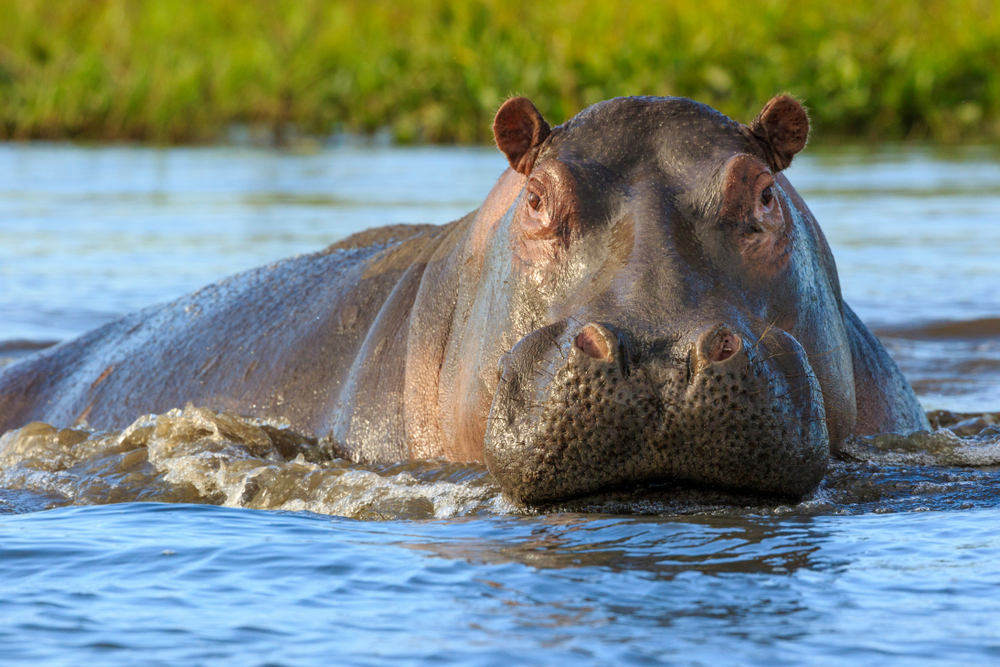
A recent report has highlighted an unusual and complex situation involving a herd of hippos in Colombia, which are descendants of animals once owned by the infamous drug lord Pablo Escobar. These animals, originally brought to Colombia in the 1980s, have since multiplied rapidly, creating significant environmental and safety concerns.
Origins of the Hippo Herd
Pablo Escobar, known for his vast criminal empire, introduced a small number of exotic species, including two hippos, to his private estate. After his death in 1993, these animals were left to roam freely, leading to their uncontrolled reproduction. Over the decades, the population has grown substantially, with the hippos now thriving along the Magdalena River.
Environmental Impact
The growing population of hippos has become a major issue for local authorities. Their presence disrupts ecosystems and displaces native wildlife. Additionally, there have been reports of attacks on fishing communities, as the large animals can weigh up to three tonnes. This has raised concerns about the safety of local residents.
Government Response
In response to the ecological damage and safety risks, Colombian authorities have approved a plan to cull around 80 hippos. However, this decision has sparked debate among conservationists and the public.
A Relocation Proposal
Anant Ambani, the son of Indian billionaire Mukesh Ambani, has proposed relocating the hippos to Vantara, a private zoo in Gujarat, India. In a letter shared publicly, the zoo’s leadership expressed willingness to provide “lifelong care” for the animals. They emphasized their belief in the value of every life and the importance of protecting it wherever possible.
Public Reaction and Uncertainty
Despite the proposal, Colombian officials have not yet responded publicly to the offer. The situation remains uncertain, with many questioning the feasibility and ethics of such a relocation.
Conservationist Perspectives
Conservationists are divided over the best approach to managing the hippo population. While relocation could offer an alternative to culling, some argue that it may not be a sustainable solution. Others believe that the hippos, now considered an invasive species, should be addressed through more direct measures.
Vantara’s Reputation
Vantara, which houses thousands of animals across a vast site in western India, has previously faced criticism from some activists regarding animal welfare and environmental suitability. The relocation proposal adds a new layer to the ongoing discussion about the ethical treatment of animals and the responsibilities of private institutions.
Broader Implications
This situation also highlights the long-term consequences of Pablo Escobar’s actions. His legacy continues to affect Colombia, with the hippo population serving as a reminder of the unpredictable outcomes of human interference with nature.
Balancing Act
Authorities now face a challenging decision, balancing conservation efforts, public safety, and ethical considerations. The case of the hippos underscores the complexity of managing wildlife in the modern world, where historical actions can have lasting impacts.
Ongoing Challenges
As the debate continues, it is clear that finding a solution will require careful consideration of all factors involved. The situation serves as a reminder of the importance of responsible stewardship of the environment and the need for thoughtful, long-term planning in addressing ecological challenges.