
Consumer Spending Trends Reflect Economic Concerns
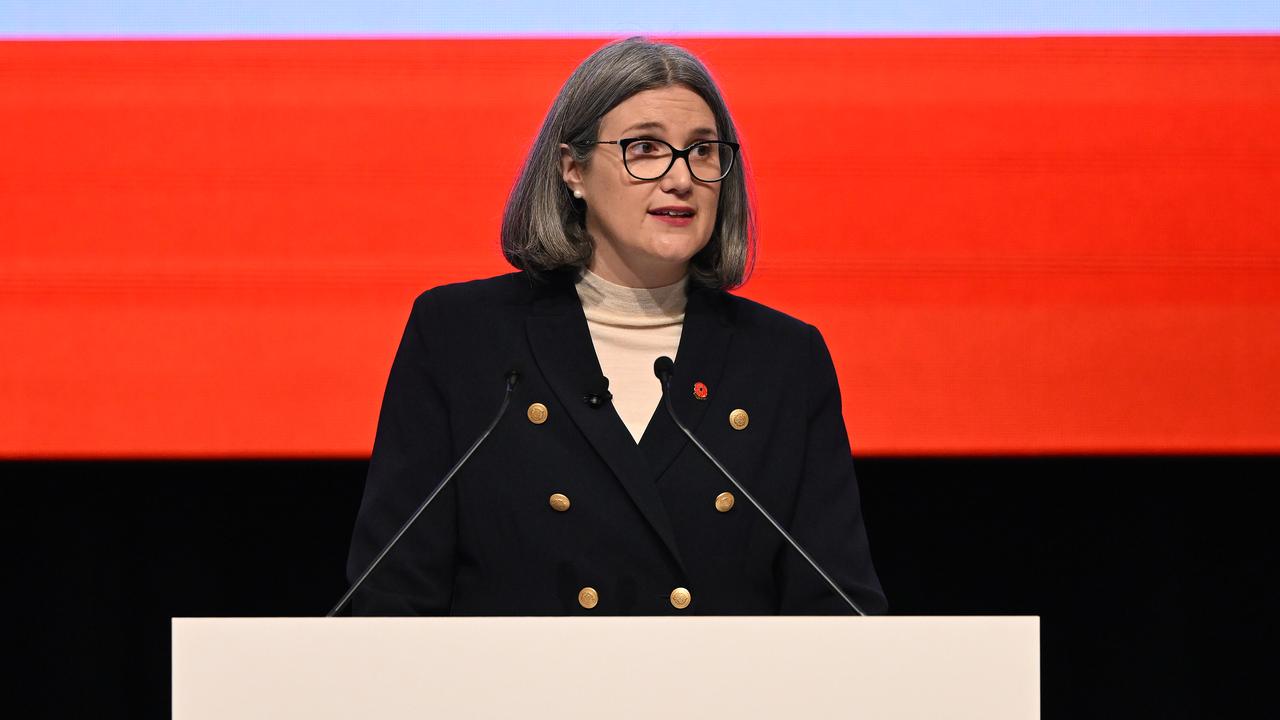
Australian shoppers have been more cautious with their spending as confidence has dropped following the start of the Middle East conflict, according to the nation’s second-largest supermarket chain. Coles chief executive Leah Weckert highlighted that customers are cooking more at home and opting for cheaper alternatives in various categories.
During the third quarter, Coles observed a shift in consumer behavior, with people spending less on beer and liquor and choosing smaller, more affordable Easter chocolates. “The most significant thing we saw in the quarter was a step down in customer sentiment when the Middle East conflict began,” Weckert stated during a briefing.
This trend is not isolated to Coles. Conversations with suppliers and peers overseas indicate a broader market impact. “All of those conversations we’re having with suppliers is indicating that that’s a market-wide impact that we’ve seen,” Weckert added.
Cost-Cutting Measures and Promotions
To adapt to these changes, Coles has been streamlining its operations, introducing more promotions, and combining food and liquor discounts in areas where its supermarkets and Liquorland businesses are located. These strategies aim to maintain competitiveness while addressing customer concerns about affordability.
In terms of financial performance, Coles reported a 3.1 per cent increase in quarterly sales, reaching $10.7 billion. The majority of this growth came from its 860 supermarkets, which generated $9.8 billion in revenue.
Supermarket price inflation, excluding tobacco, decreased to 0.8 per cent in the three months ending March 29. This marks a decline from the 1.7 per cent recorded in the previous quarter. The reduction in inflation can be attributed to an abundant supply of fresh produce across key fruit and vegetable categories.
Inflation Trends and Customer Choices
While some categories experienced deflation, others saw increased prices. For example, red meat prices continued to rise. However, Coles absorbed some of these costs to ensure customers still receive value.
“Our focus remains on continuing to provide customers with a compelling value proposition that supports their everyday needs, coupled with inspiration as more customers shift from eating out to cooking at home to help manage their household budget,” Coles said.
Easter chocolate sales were strong overall, but there was a noticeable trend towards lower-priced items. “What we did see was a bit of a trend of people moving into lower-price items, so you might see more volume in the smaller bunnies than the bigger bunnies than you did last year,” Weckert explained.
Liquor Sales and E-Commerce Growth
Sales at Liquorland fell by 3.9 per cent to $781 million, with convenience sales remaining resilient and warehouse stores facing a more pronounced impact. Coles believes the challenges in its liquor business are cyclical and related to broader market conditions rather than issues specific to Liquorland.
“Liquor is just a more discretionary category than something like food,” Weckert explained. “And so people will make decisions to cut back in that space to make way for the increased lines in their budget that they might see on things like mortgages or energy or groceries.”
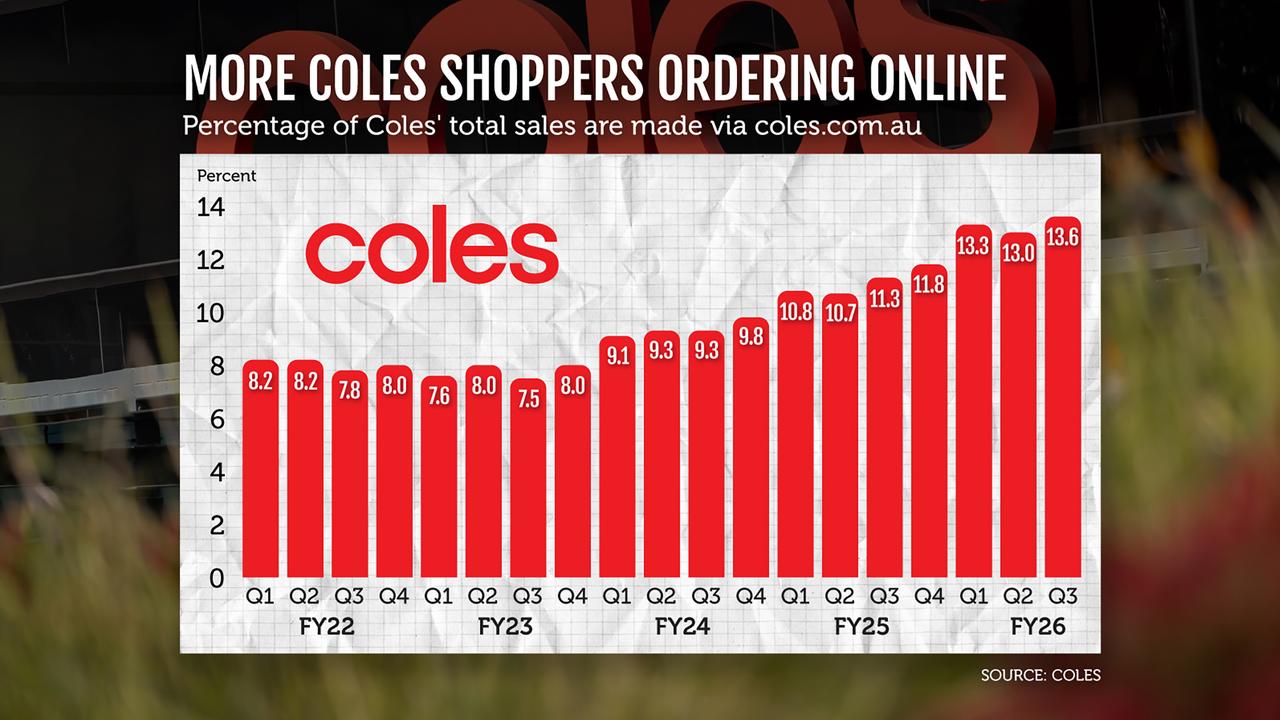
Coles also reported strong growth in e-commerce sales, which increased by 24.8 per cent in the quarter to $1.3 billion. Online shopping now accounts for 13.6 per cent of all sales, up from 11.3 per cent a year ago.
Market Competition and Consumer Sentiment
Coles shares rose 1.4 per cent to $22.42 in morning trade. Meanwhile, rival Woolworths warned that shopper sentiment had declined since the US and Israel attacked Iran on February 28, sparking a Middle East conflict that has driven up crude oil and petrol prices.
Woolworths’ tracking shows 44 per cent of customers are experiencing real budget pressures and struggling to make ends meet. The company reported $18.1 billion in total quarterly sales, reflecting a 4.5 per cent increase from a similar period a year ago.