A New Perspective on the Natural World
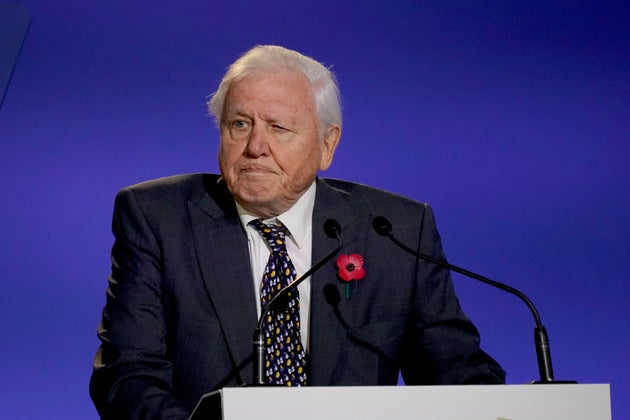
As adults, we often believe we have all the answers. However, Sir David Attenborough, a 97-year-old naturalist and broadcaster, is reminding us that there is still much to learn from our children. In his latest series, Planet Earth, he encourages families to tune in and explore the wonders of nature together.
This Sunday, the iconic broadcaster will return to television with a new series of Planet Earth. Unlike previous broadcasts, which aired at 8pm, this time it will be shown at 6:15pm. This change in timing is designed to give children the opportunity to watch and engage with the content. Attenborough believes that by making the show accessible to younger audiences, we can foster a deeper appreciation for the natural world.
Understanding the Natural World
Attenborough emphasized the importance of exposing children to the natural world. He explained that the reality of our environment is far more complex than what we see in our daily lives. “There are worlds outside the playground and outside human society,” he said. “There is another world out there which operates under a whole different set of rules and at a different pace.”
He pointed out that children possess an instinctive understanding of how the world works. For example, a five- or six-year-old might observe how insects behave or how bees collect pollen. These moments of observation and curiosity are valuable learning experiences. Attenborough encourages parents to provide children with opportunities to explore these aspects of nature.
Learning from Children
The 97-year-old highlighted that children are often better at understanding the natural world than adults. He suggested that as adults, we should create more opportunities for children to engage with nature. By doing so, we not only help them develop a sense of wonder but also encourage a lifelong interest in environmental conservation.
The new eight-part series will showcase some of the most amazing species on the planet. The goal of the show is to look at the world through a new lens, encouraging viewers to see the intricate connections between all living things.
A Focus on Resilience and Threats
The BBC’s climate editor, Justin Rowlatt, noted that a major theme of the show is the resilience of the natural world. Despite facing numerous challenges, many ecosystems continue to adapt and thrive. However, the greatest threat to these systems comes from human activity.
This message is particularly relevant in today’s world, where climate change and environmental degradation are pressing issues. By highlighting the beauty and complexity of nature, the series aims to inspire a sense of responsibility and action towards protecting the planet.
Encouraging Curiosity and Connection
Attenborough’s approach to storytelling emphasizes the importance of curiosity and connection. He believes that by engaging with nature from a young age, children can develop a deeper understanding of their place in the world. This connection can lead to a greater sense of empathy and respect for all living beings.
Parents and educators play a crucial role in nurturing this curiosity. By providing opportunities for children to explore and learn about the natural world, they can help shape the next generation of environmental stewards.
Conclusion
Sir David Attenborough’s new series, Planet Earth, offers a unique opportunity for families to come together and explore the wonders of nature. With its focus on the resilience of the natural world and the importance of early exposure to environmental education, the show has the potential to inspire a new generation of conservationists.
By watching the series, viewers can gain a fresh perspective on the world around them and recognize the value of learning from both nature and the next generation. As Attenborough reminds us, there is always more to discover and understand.