A Growing Concern Over School Lunches
Parents across Australia are increasingly concerned about the quality of food their children receive at school. While many focus on ensuring a safe and supportive learning environment, some are taking a more active role in addressing the nutritional content of school meals. This issue has sparked a broader conversation about the impact of ultra-processed foods (UPFs) on children’s health.
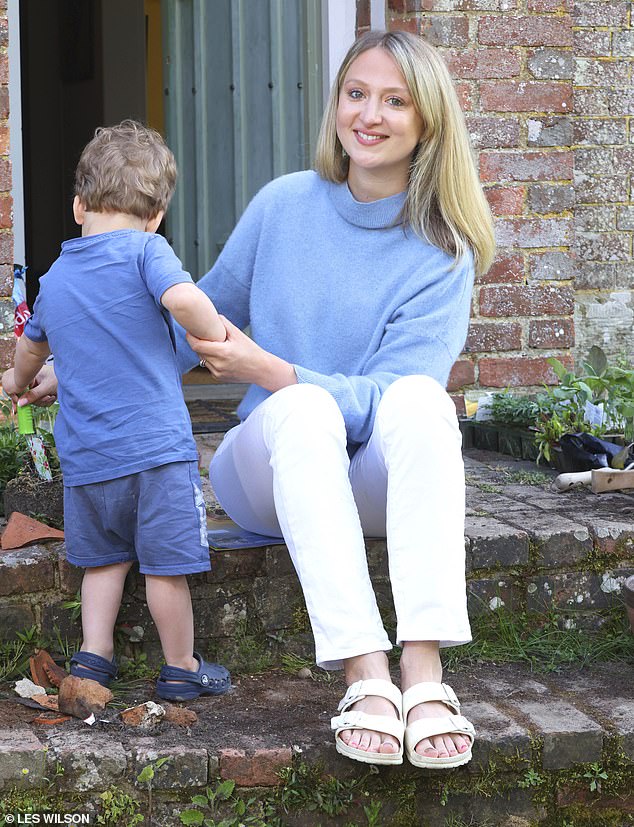
Dr Dolly van Tulleken, an epidemiologist at the University of Cambridge, recently highlighted the alarming state of school lunches after reviewing the menu at her son’s new primary school in Sussex. Her findings revealed that the meals were heavily reliant on UPFs—foods that are high in salt, sugar, and artificial additives. These ingredients have been linked to serious health issues, including heart disease, obesity, type 2 diabetes, cancer, and dementia.
The meals were provided by Chartwells, a catering company that supplies food to 1,800 schools nationwide. Despite claiming to offer “nutritious, ethically sourced food,” Dr van Tulleken found that up to three-quarters of the menu items were ultra-processed. She described the situation as a “public health scandal” and criticized the industry for making unhealthy choices appear more appealing.
The Hidden Ingredients in School Meals
One example she cited was mashed potato, which many might assume is simply made from potatoes. However, the version served at the school contained 70% vegetable fat spread, along with various additives such as emulsifiers, acidifiers, and flavorings. These ingredients are not only unnecessary but also contribute to the lack of nutritional value in the meal.
Dr van Tulleken explained that these additives are used because they are cheaper and help preserve the food. She argued that this approach is detrimental to children’s health and sets them up for long-term problems.

A Broader Health Crisis
Dr van Tulleken is not alone in her concerns. Her husband, Xand van Tulleken, is a well-known TV doctor and presenter of the BBC podcast What’s Up Docs? Together, they have been vocal advocates against the prevalence of UPFs in diets. Studies show that around 60% of the foods consumed by children are ultra-processed, and nearly two-thirds of the calories in school meals come from these types of foods.
This trend raises serious questions about the long-term effects on children’s health. Dr van Tulleken emphasized that allowing such a system to continue could lead to a generation of children facing preventable health issues.
Reactions and Changes
Following Dr van Tulleken’s public critique, the Sussex school has decided to terminate its contract with Chartwells. However, she believes that hundreds of other schools will be affected by similar issues. She has also criticized the government for not addressing UPFs in its updated food standards for schools.
A major review of school food will be implemented by the Department of Education from September 2027. While the plan includes banning deep-fried foods and increasing fruit and vegetable intake, it does not specifically target UPFs. A government spokesman stated that the reforms aim to improve school food by restricting high-fat, high-salt, and high-sugar foods, which include UPFs.
Chartwells responded by saying it is “proud of the menus we serve” and that its chefs work to “boost the nutritional value of our dishes through thoughtful fortification and reformulation.”
Despite these claims, the debate over the quality of school meals continues. Parents and health experts are calling for stricter regulations to ensure that children receive meals that support their growth and development.