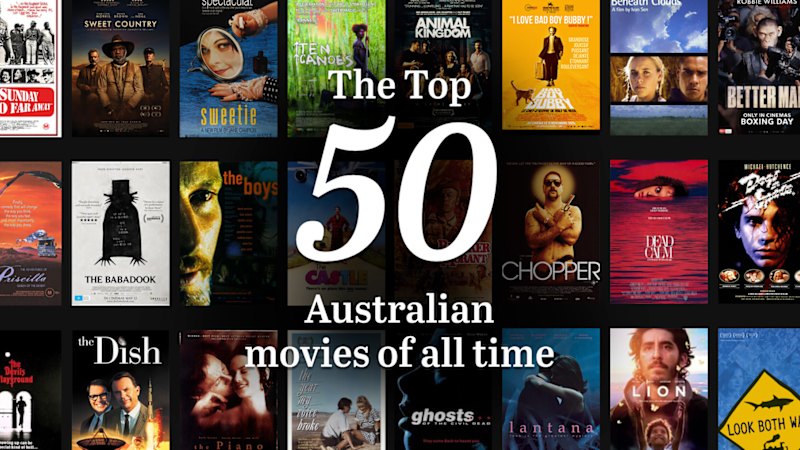
During a week filled with difficult news, readers of the Herald have found a refreshing change of pace in a visually stunning and interactive feature that celebrates the top 50 Australian films of all time. This piece, curated by some of the country’s most respected filmmakers, actors, and critics, offers a unique journey through Australia’s cinematic history. The visual stories team has created an online experience that feels like a walk through a film archive, highlighting both global hits and lesser-known gems that might have slipped under the radar for some.
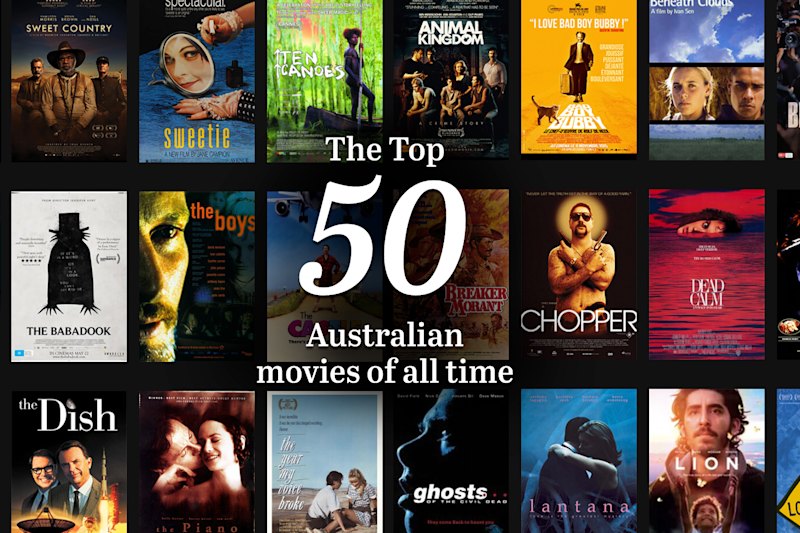
Without revealing the final verdict, it’s safe to say that the best Australian film isn’t The Castle or Crocodile Dundee, which surprisingly didn’t make the list. Instead, the winner is a film that continues to resonate today, nearly 20 years after its release. The Castle did, however, remain the most popular choice among readers as of Friday afternoon, followed closely by Gallipoli, Muriel’s Wedding, Strictly Ballroom, and The Dish. For what it’s worth, Gallipoli was my personal pick.
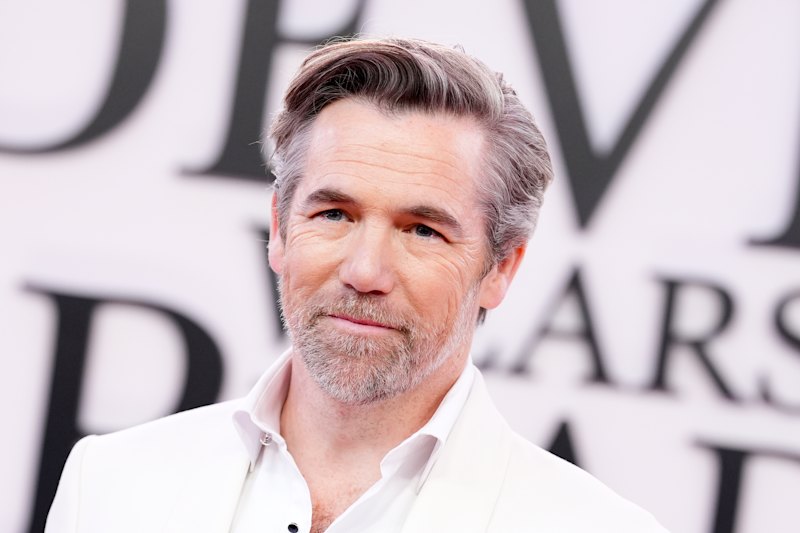
A film that may not be in the same league but still made headlines this week was the sequel to The Devil Wears Prada, released 20 years after the original. Our film critic, Sandra Hall, gave the film four stars, praising its script for blending the new with the old and the serious with the silly. The film also features a new Australian heartthrob, Patrick Brammall, who played Gordon in Colin from Accounts. According to Lauren Ironmonger, Brammall bonded with Anne Hathaway over ping pong and almost turned down the role.
While Hall enjoyed the film, our fashion editor, Damien Woolnough, was less impressed with the costumes, which are often considered the true star of the Devil franchise. He described the central runway scene in Milan as having the authenticity of a $50 Hermes Birkin bag bought in Bali, in a sharp article that will appeal to fashion enthusiasts and those who find high-end fashion confusing.
The culture team had a busy week, with arts writer Michaela Boland covering one of Sydney’s most anticipated events: the announcement of the finalists for the Archibald Prize. The Packing Room Prize was awarded to Sean Layh for his detailed portrait of actor Jacob Collins performing Hamlet. Layh credited a portrait of comedians Roy and HG he saw 25 years ago as an influence.
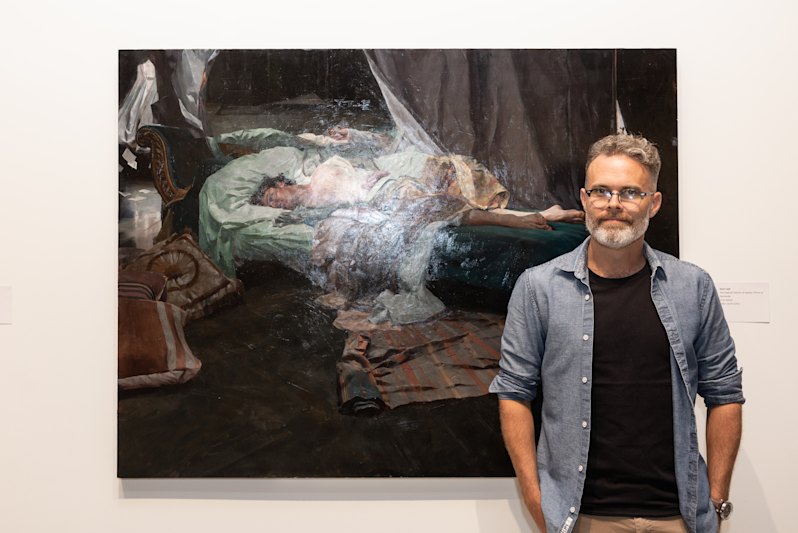
Linda Morris, who knows the Sydney arts scene inside out, wrote about a parliamentary committee’s report warning that efforts to revive Sydney’s nightlife have come at the expense of the state’s arts and culture sectors. A world-class city should support both. Meanwhile, Liz Giuffre’s opinion piece highlighted the revival of Sydney’s live music scene, drawing comparisons to the heydays of the Hopetoun Hotel.
Readers can look forward to the culture team’s coverage of the Venice Biennale, where controversy has already sparked over the Russian entry.
Another pillar of Sydney’s arts scene is its literary community. This week, the Herald featured Anna Funder, one of the city’s prominent writers, in a conversation with senior writer Jacqueline Maley. Funder expressed confidence that human creativity could coexist with artificial intelligence.
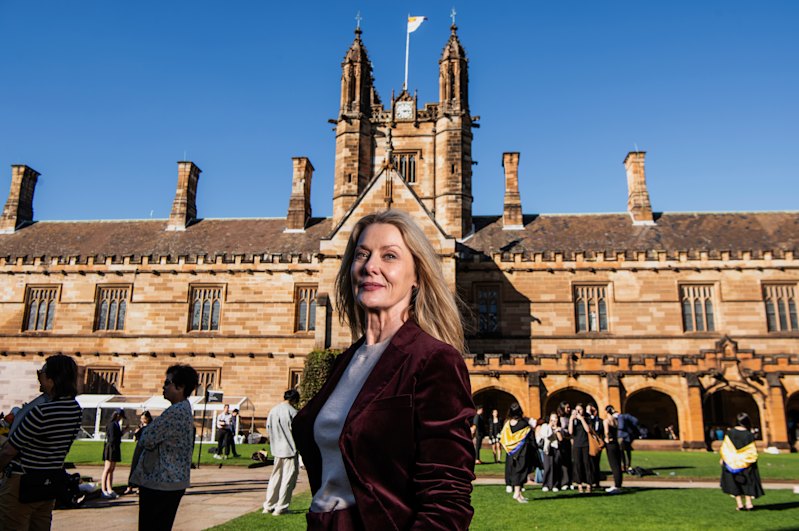
The Herald also announced a significant new appointment in the literary world. Melanie Kembrey, who has been the editor of Spectrum for five years, will now serve as the national books editor. With a strong background in literary coverage, including interviews with authors like Margaret Atwood, Peter Carey, and Zadie Smith, she oversees the SMH Best Young Australian Novelists prize. Her new role marks a positive step for readers interested in books and literary news.
On the topic of books, there was some debate this week over whether Roald Dahl’s The Twits contained an anti-beard bias. A piece by writer Michelle Cazzulino provided a humorous take on the issue, offering a lighthearted read for those looking for a chuckle over the weekend.
For movie lovers, interviews, and the latest updates from the world of film, sign up for our Screening Room newsletter.