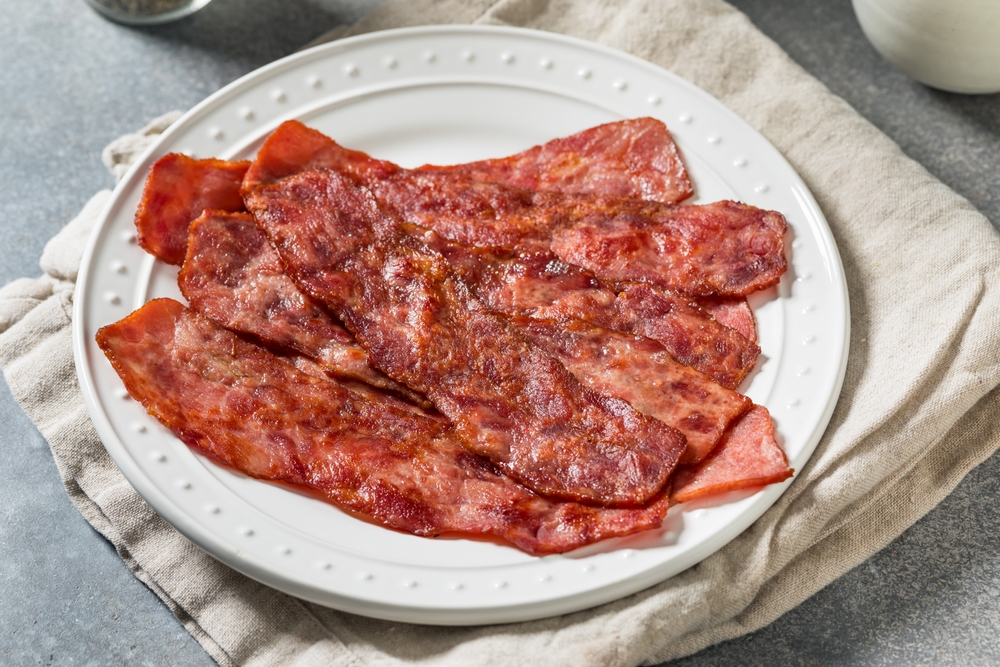
Turkey Bacon: A Healthier Alternative or Just a Myth?
Turkey bacon is often marketed as a healthier alternative to traditional pork bacon. However, when it comes to nutritional content, the differences may not be as significant as many people believe.
According to data from the U.S. Department of Agriculture, two slices of turkey bacon contain approximately 60 calories, 4 grams of fat, and 328 milligrams of salt. In comparison, pork bacon has a similar sodium content and only slightly more saturated fat. The protein and calorie levels are also very close between the two options. This suggests that, in practice, the difference between the two types of bacon is minimal.
The Role of Processing
Both turkey and pork bacon are classified as processed meats. This means they undergo treatments such as the addition of nitrates or nitrites to preserve freshness and enhance flavor. These additives can form harmful compounds when exposed to high heat, which is a common cooking method for bacon.
Even products that claim to use natural ingredients often follow similar processing methods. As a result, they may not be significantly healthier than their conventional counterparts. Research published in Nutrients highlights this concern, emphasizing that the processing methods used in both types of bacon can have negative health implications.
Health Risks Associated with Processed Meats
A study published in The Journal of Nutrition found that a high intake of processed meats may increase the risk of several chronic diseases, including type 2 diabetes and cardiovascular disease. This finding underscores the importance of moderation when consuming these types of foods, regardless of whether they are made from turkey or pork.
Dietary Recommendations and Practical Advice
Health organizations consistently advise individuals to limit their intake of salt and saturated fats. For some people, choosing turkey bacon over pork bacon is a way to reduce these nutrients. However, it’s important to recognize that turkey bacon is not automatically a healthier choice.
The key to maintaining a balanced diet lies in portion control and variety. Both types of bacon should be consumed in small amounts and paired with other nutrient-rich foods. This approach helps ensure that overall dietary goals are met without excessive reliance on any single food item.
Conclusion
While turkey bacon may seem like a better option, its nutritional profile is closely aligned with that of regular bacon. The real focus should be on how frequently and in what quantities these foods are consumed. By making informed choices and incorporating a wide range of foods into daily meals, individuals can support long-term health and well-being.
Also read:
This happens in your body if you eat ketchup every day
Donald Trump’s granddaughter Kai Trump had to seek urgent medical attention during a golf tournament
Researchers tested over 1,000 chemicals – several affect gut bacteria
Antidepressant medication recalled after packaging error