The Met Gala: A Celebration of Fashion and Art
The first Monday in May is a significant date on the cultural calendar, marking the annual Met Gala. This event brings together celebrities, designers, and cultural icons in a spectacular display of fashion and creativity. Originating in 1948 as a high-society gathering, the gala was initially held to support the Costume Institute of The Metropolitan Museum of Art. Over time, it has evolved into a major fashion event that captivates global attention.
In 1995, Anna Wintour, then editor-in-chief of Vogue, took over the helm and shifted the focus from New York’s elite to the world of celebrities. This change transformed the Met Gala into a fashion juggernaut, drawing in more attention and influence than ever before. Each year, the event features a new theme and dress code, reflecting the latest exhibition at the Costume Institute. The theme serves as a creative guide for attendees, inspiring them to interpret the message through their attire.
This year’s theme, “Costume Art,” encourages attendees to embrace the idea that “Fashion is Art.” These concepts highlight the connection between clothing, the body, and art, exploring how fashion can be seen as an embodied form of artistic expression. But the question remains: is fashion truly art? And at what point does clothing transition from practicality to artistic value?
Fashion as Art: Perspectives from Designers and Artists
German fashion designer Karl Lagerfeld, who passed away in 2019, believed in the distinction between fashion and art. He famously stated, “Art is art, fashion is fashion.” His perspective aligned with the traditional separation between fine art and decorative art. Fine art is typically created to provoke emotional or intellectual responses, often involving long periods of work on unique pieces. Decorative art, on the other hand, is aesthetically pleasing but also functional and mass-produced, including elements like home decoration and fashion.
Lagerfeld argued that fashion, unlike fine art, must be produced quickly and for commercial purposes, which he felt disqualifies it from being considered true art. However, this view contrasts with that of pop artist Andy Warhol, who declared, “fashion is more art than art is.” Warhol’s work often reflected themes of pop culture, consumerism, and media, using fashion as a mirror to society. His collaborations with designers like Diane Von Furstenberg and Halston further blurred the lines between art and fashion.
Italian designer Elsa Schiaparelli also saw fashion as an art form, stating, “designing is not a profession but an art.” Her work challenged the conventional boundaries between art and fashion, and her creations are currently displayed at London’s Victoria and Albert Museum. This trend of showcasing haute couture as art is gaining momentum, with museums and galleries increasingly recognizing the artistic value of high-end fashion.
Haute Couture and Everyday Fashion
Haute couture, meaning “high dressmaking,” refers to exclusive, high-end fashion that differs from mass-produced clothing. One of the earliest major exhibitions of haute couture was the 2011 Alexander McQueen: Savage Beauty exhibit at the Met, which attracted over 600,000 visitors. Since then, public interest in fashion as art has only grown, with events like the Louvre Couture exhibit in Paris drawing over one million visitors last year.
But can everyday fashion also be considered art? John Galliano, a renowned designer, suggested so when he said, “the joy of dressing is an art.” Clothing plays a vital role in how individuals express their identity and navigate society. It can signify gender, social status, political views, and heritage. As haute couture becomes more accessible, it reflects a growing societal recognition of fashion as an art form.
Interpreting the Met Gala Fashions
At this year’s Met Gala, the challenge is to interpret the fashions as art. One approach is to consider whether an outfit evokes emotion—whether it inspires awe, joy, shock, hate, or fascination. The primary purpose of art is to elicit feeling, and fashion can do the same.
For example, in 2022, Kim Kardashian sparked controversy by wearing Marilyn Monroe’s iconic “Happy Birthday, Mr President” dress. The theme that year was “In America: An Anthology of Fashion,” and her choice led to discussions about historical objects, ethics, and celebrity culture. Similarly, in 2021, Alexandria Ocasio-Cortez wore a white gown with “tax the rich” written on the back, highlighting issues of wealth inequality.
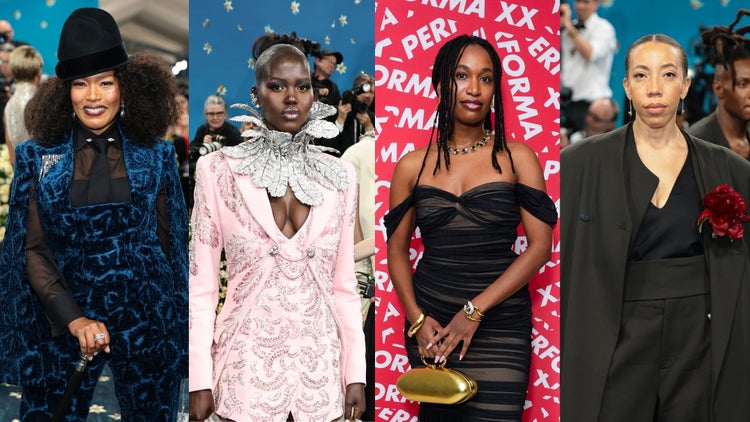
As you watch this year’s gala, consider whether any of the outfits provoke thought or conversation about politics, history, technology, or culture. Designers often use colors, textiles, and shapes to convey messages about society, sometimes subtly and other times explicitly.
Fashion reflects who we are and the world we live in. If that isn’t art, then what is?