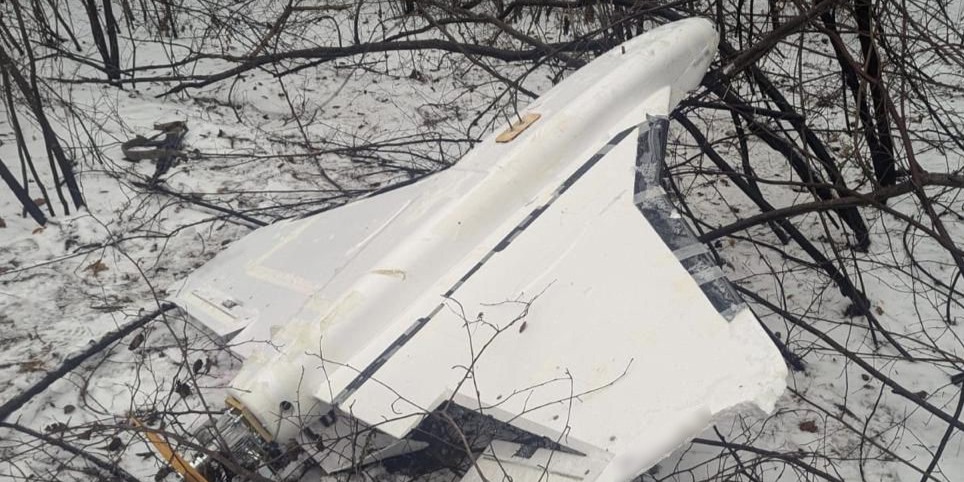
Ongoing Concerns Over Foreign Technology in Russian Drones
Despite strict sanctions aimed at limiting Russia’s access to foreign technology, the use of components from Western countries continues to be a significant issue. Ukrainian officials have reported that newly manufactured parts from various global locations are still being discovered within Russian drones used against Ukrainian cities. This revelation has raised concerns about the effectiveness of current sanctions and the potential for continued technological support to Russia.
Fresh Components Found in Drones
Recent findings indicate that Ukrainian authorities have identified Western-made components in Russian drones, some of which were manufactured as recently as 2025. These components come from countries such as Germany, Japan, Switzerland, the United States, Taiwan, and the United Kingdom. Vladyslav Vlasiuk, Ukraine’s presidential commissioner for sanctions policy, highlighted this discovery, emphasizing the ongoing challenge of preventing such materials from reaching Russian military systems.
The presence of these components suggests that Russia is still able to bypass restrictions and source critical technology. This development underscores the need for more effective enforcement of existing sanctions and the importance of international cooperation in closing supply routes.
Sanctions Under Strain
Vlasiuk noted that Russian attacks have not shown signs of slowing down, with strikes reported in several cities including Odesa, Dnipro, Vinnytsia, Ternopil, and Kharkiv. The continued aggression highlights the urgency of addressing the loopholes in the current sanctions regime.
In addition to the standard components, investigators have identified a new element in Russian drone design — a Transit Brd activation module. This indicates that Russian drone technology is evolving, further complicating efforts to counter their use.
Ukraine has shared its findings with international partners, working to identify and close supply routes. However, officials acknowledge that gaps still exist in the system, allowing critical components to reach Russian forces.
Ongoing Loopholes in Sanctions Regimes
One of the most concerning aspects is the continued appearance of components from Swiss-based STMicroelectronics in Russian systems, despite repeated calls for tighter export controls. This highlights the challenges of enforcing sanctions across global supply chains.
At the same time, there have been some positive developments. Vlasiuk noted that parts originating from the Netherlands have become rare in newer drone models, suggesting that coordinated enforcement can have an impact. However, the broader picture remains concerning, with persistent loopholes in the sanctions regimes.
Targeting Russia’s Resources
In response to these challenges, Ukraine is expanding efforts to limit Russia’s ability to fund the war. Vlasiuk mentioned that long-range sanctions targeting sectors like oil and refining have already cost Moscow at least $7 billion this year. The strategy involves cutting off access to technologies used in warfare while simultaneously reducing the resources that fund it.
President Volodymyr Zelensky has echoed these claims, stating that pressure on Russia’s energy sector is beginning to have a financial impact. This approach reflects a dual focus on both technological and economic measures to weaken Russia’s military capabilities.
Pressure to Tighten Controls
Officials argue that the continued presence of Western components in Russian drones highlights the need for stronger enforcement of existing sanctions, rather than just expanding them. The findings underscore how global supply chains can still be exploited, even under heavy restrictions, allowing critical technologies to reach the battlefield.
This situation calls for increased international collaboration and stricter oversight of exports to ensure that no technology is used to support military aggression. The ongoing challenges demonstrate the complexity of enforcing sanctions in a globalized world and the need for continuous vigilance and adaptation.