
Understanding the Hantavirus Outbreak on a Cruise Ship
A cruise ship traveling across the Atlantic to Cape Verde has recently made headlines due to a suspected outbreak of hantavirus, a deadly illness that has claimed three lives. The World Health Organisation (WHO) has reported five suspected cases of the virus on the MV Hondius ship, which is operated by Oceanwide Expeditions. This includes a British national currently in intensive care in Johannesburg with a confirmed case of hantavirus.
The situation has raised concerns among passengers and the public about the risks associated with this outbreak. To understand the severity of the illness and how it spreads, we consulted medical expert Thorrun Govind, a pharmacist who provided valuable insights into the virus.
What is Hantavirus and How Is It Spread?
Hantavirus is a group of viruses, not a single virus, that are carried by rodents such as rats and mice. These viruses can cause serious diseases in humans, including two main illnesses: Hantavirus Pulmonary Syndrome (HPS) and Hemorrhagic Fever with Renal Syndrome (HFRS).
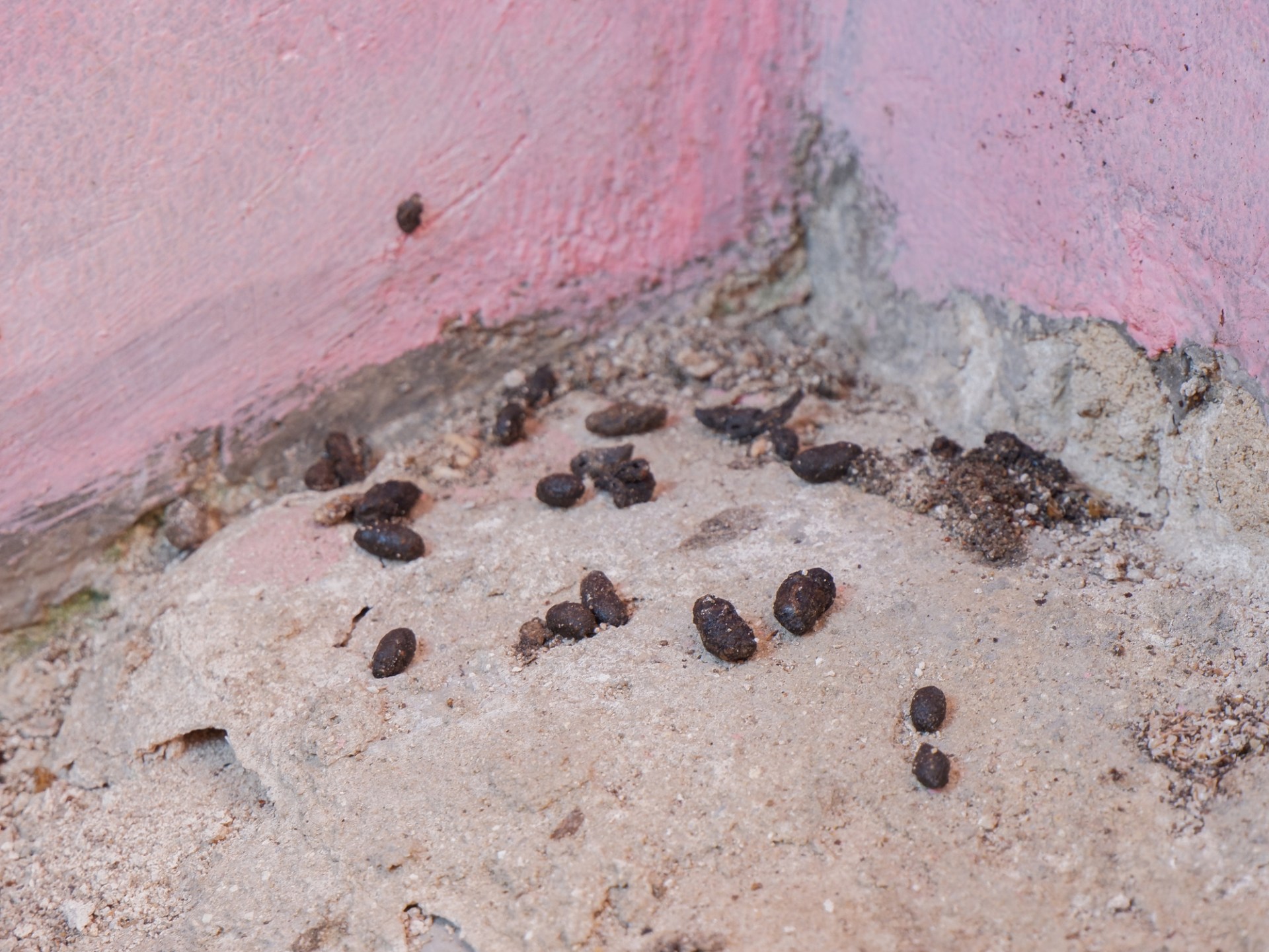
According to Dr. Govind, the virus is typically transmitted through exposure to rodent urine and droppings. The virus becomes airborne when these materials dry out, making it possible to contract the illness by breathing in contaminated air. While prolonged exposure in a contaminated area increases the risk, transmission can also occur through contact with contaminated surfaces or via bites and scratches, although the latter is less common.
The incubation period for hantavirus generally ranges from two to four weeks but can vary from as little as two days to as long as eight weeks. Importantly, the virus does not spread easily from person to person, unlike viruses such as Covid or the flu.
Early Signs of Hantavirus Infection
If you suspect you have been exposed to hantavirus, it’s crucial to recognize the early symptoms, which can resemble those of the flu. These include fatigue, fever, headache, and muscle aches, particularly in the thighs, hips, back, and shoulders.
If the infection progresses to Hantavirus Pulmonary Syndrome, individuals may experience headaches, dizziness, chills, and abdominal issues such as nausea, vomiting, and diarrhea. About four to 10 days after initial symptoms, more severe signs like coughing, shortness of breath, and chest tightness may appear as the lungs fill with fluid.
For those who develop Hemorrhagic Fever with Renal Syndrome, symptoms may include intense headaches, back and abdominal pain, fever, chills, nausea, and blurred vision. Some individuals might also experience eye inflammation or a rash.
As the disease progresses, later symptoms can include low blood pressure, acute shock, internal bleeding, and acute kidney failure.
Mortality Rate and Treatment Options
Hantavirus can be fatal, and while the mortality rate varies depending on the strain, approximately 38% of people who develop respiratory symptoms may die from the illness. Strains such as Hantaan and Dobrava are known to cause more severe symptoms, with a fatality rate of around 5% to 15%. Other strains, like Seoul, Saaremaa, and Puumala, have a much lower mortality rate, with less than 1% of cases resulting in death.
Dr. Govind notes that certain groups, such as immunosuppressed individuals or the elderly, may be more vulnerable to the effects of the virus. However, there is currently no cure for hantavirus, and antiviral treatments are not standard practice. Instead, patients are typically hospitalized for monitoring and supportive care, which may include oxygen therapy if they experience breathing difficulties.
Is Hantavirus Present in the UK?
While hantavirus is present in the UK, it is extremely rare. Dr. Govind reassures that the general population should not be overly concerned about a potential outbreak. Since 2012, there have been six confirmed cases of acute kidney injury due to hantavirus infection, with an estimated 11 possible cases overall.

Preventing Hantavirus Infection
Prevention is key to avoiding hantavirus. If you have rodents as pets, it’s essential to remain vigilant. However, anyone can contract the virus, so taking precautions is important.
Dr. Govind advises against creating dust when cleaning areas where rodent droppings may be present. Using protective equipment such as face masks and goggles, along with maintaining good personal hygiene, can help reduce the risk of infection.
If you encounter rodent droppings, it’s best to contact a professional for assistance in identifying and managing the infestation. The CDC recommends minimizing contact with rodents in homes, workplaces, and campsites. Sealing holes and gaps in your home or garage, using traps, and keeping food sources secure can also help prevent rodent entry.
Share Your Story
Have a story to share? Contact us at [email protected].
Comment now
Add as a Preferred Source on Google
Add as preferred source
Sign up to ‘s The Slice newsletter for your guide to what’s on in London, with trusted reviews, offers and giveaways.