Understanding Hantavirus: A Deadly Threat from Rodents
Hantavirus is a rare but deadly virus that has recently made headlines after causing the deaths of three passengers on a cruise ship and infecting seven others. The virus has an alarming fatality rate of nearly 40 percent, making it one of the most dangerous rodent-borne diseases in the world. Among those infected was a British doctor on board the MV Hondius, highlighting the potential for widespread exposure in confined spaces.
Despite its severity, hantavirus currently has no known cure. Patients are typically treated with supportive care, such as rest, hydration, and breathing support. However, the disease can progress rapidly, leading to severe respiratory distress and even death.
Transmission and Symptoms
The virus is primarily transmitted through inhalation or ingestion of aerosolized fecal matter, urine, or saliva from infected rodents. While the exact source of infection for the first patient on the cruise ship remains unclear, health officials are investigating whether human-to-human transmission occurred. This possibility raises concerns about the virus’s ability to spread in close quarters.
Symptoms of hantavirus initially appear mild, often resembling the flu. Common early signs include exhaustion, fatigue, headaches, fever, muscle aches, and chills. However, within a few days, more severe symptoms may develop, such as shortness of breath, chest tightness, and fluid accumulation in the lungs. These symptoms can quickly become life-threatening, requiring immediate medical attention.
Historical Context and Global Impact
Hantavirus gained international attention in 2025 when it was listed as the cause of death for Gene Hackman’s wife, Betsy Arakawa. The virus was first identified in South Korea in 1978, where it was isolated from a field mouse. Since then, it has been reported in various regions across the globe, with the highest number of cases occurring in China.
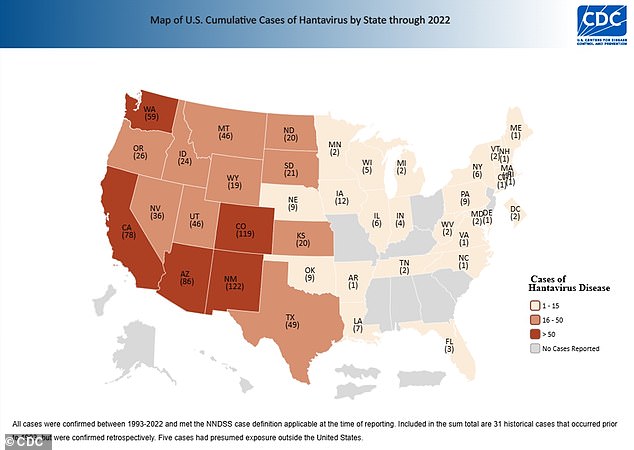
In the United States, hantavirus is relatively rare, with only 40 to 50 cases reported annually, mostly in the southwestern states. Between 1993 and 2022, a total of 864 cases were confirmed, according to the CDC. Despite its low prevalence, the virus has had a significant impact on public health, particularly among farmers, hikers, campers, and homeless populations.
Risk Factors and Prevention
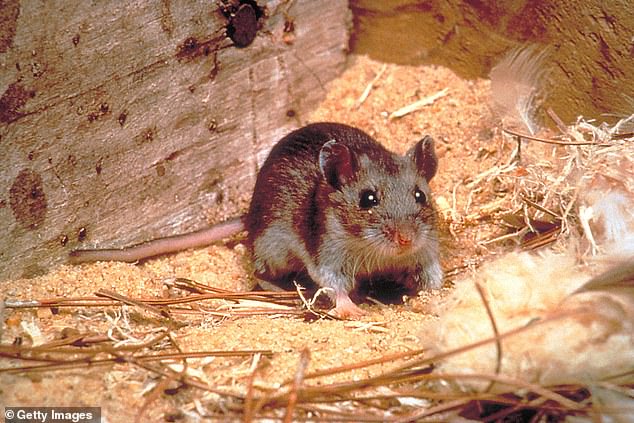
The virus is primarily carried by rodents, with deer mice being the most common carriers in North America. However, recent research from Virginia Tech has revealed that hantavirus is circulating more widely than previously thought. Scientists have detected antibodies in six additional rodent species, indicating that the virus is more adaptable than once believed.
Virginia had the highest infection rate among rodents, with nearly eight percent of samples testing positive for hantavirus—four times the national average. Colorado and Texas also showed higher-than-average infection rates, highlighting the need for continued surveillance in these regions.
To reduce the risk of exposure, health officials recommend several preventive measures. These include airing out spaces where mice droppings might be present, avoiding sweeping droppings (which can release virus particles into the air), using disinfectants to clean contaminated areas, and wearing gloves and masks when handling debris.
Rising Concerns and Future Implications
Recent data suggests that hantavirus cases may be on the rise. In 2024, there were seven confirmed cases and four deaths in the U.S., while last year saw the detection of the virus in five Arizona residents and four people in Nevada. Additionally, three individuals in remote Mammoth Lakes, California, died of hantavirus despite not engaging in activities typically associated with exposure.
David Quammen, a science writer who predicted the COVID-19 pandemic in his book, has warned that an increase in hantavirus cases could have global implications. He noted that the virus, originally known from Korea, has since emerged in the Four Corners area of the U.S. in 1992, leading to fatalities.
As research continues, scientists are working to better understand the virus’s behavior and transmission patterns. With new findings suggesting a broader range of host species, the need for improved prevention strategies and public awareness has never been more critical.