
Understanding Salt: A Complex Nutrient
Salt has long been considered a dietary villain, often blamed for a range of health issues such as high blood pressure, heart disease, dementia, and even stomach cancer. Recent research suggests that the average Briton consumes the equivalent of around 155 crisp packets’ worth of salt each week, far exceeding the NHS’s maximum recommendation of 6g per day. This excessive intake is largely attributed to the rise of ultra-processed foods (UPFs), which include items like bread, cakes, pastries, fried foods, and breakfast cereals—many of which are laden with hidden salt.
However, cutting out salt entirely isn’t just near-impossible; it’s also detrimental to our health. Sodium, a key component of salt, is essential for various bodily functions, including maintaining blood pressure, sweating, and nerve function. Nutritionist Jenna Hope emphasizes that for individuals who consume a diet rich in whole foods and cook most meals at home, adding salt can be beneficial and important. The issue arises when people rely heavily on UPFs, which are known to be high in salt.
Despite the well-known risks of high salt diets, there is a vocal minority arguing that we may actually need to consume more salt, not less. To understand the full implications of salt consumption, the Daily Mail consulted experts to address some of the most pressing questions about salt and its impact on our health.
What Is Salt?
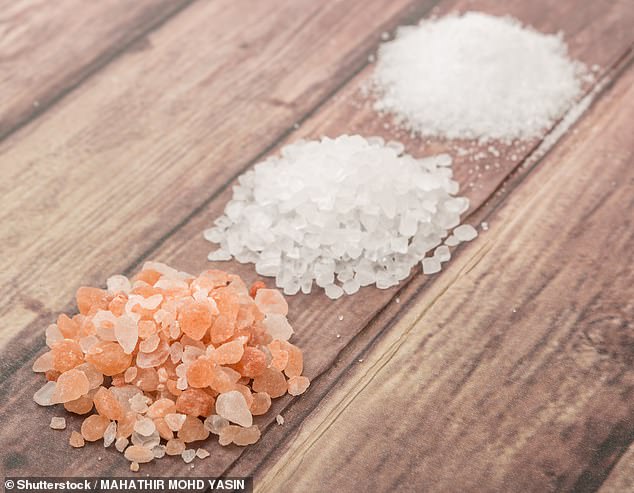
Salt is a natural mineral composed primarily of sodium chloride. It can be sourced in two main ways: from seawater or from underground rock deposits known as halite. When harvested from the sea, salt forms through evaporation, where sun and wind gradually remove water, leaving behind salt crystals that are then harvested, washed, dried, and processed. On the other hand, salt mined from rock is crushed, ground, and purified before undergoing similar processes to make it suitable for consumption.
While both types of salt are chemically similar, sea salt is more commonly used in food, whereas rock salt is widely used for industrial purposes, such as de-icing roads.
What Is in Salt and How Much Should We Have?
One teaspoon of salt, approximately 6g, contains roughly 2,325mg of sodium, which exceeds 100% of the daily recommended value. It also includes trace amounts of other minerals, such as calcium, potassium, magnesium, and iron. These nutrients play various roles in the body, including regulating fluid balance, supporting heart and muscle function, aiding energy production, and carrying oxygen in the blood.
However, most table salt is stripped of these essential minerals during processing. The NHS recommends that adults consume no more than 6g of salt per day, including salt naturally present in food and any added during cooking or at the table. Unfortunately, most British adults exceed this limit, consuming around 8.4g a day—40% above the recommended amount.
What Are the Different Types of Salt We Can Eat?
Both sea salts and rock salts can be used in cooking and to season food. The most commonly consumed in the UK is table salt, which is mined from rock and heavily refined. Brands like Saxa and Cerebus are popular, and you can typically find 750g of table salt for under £2.
Other types of salt include:
- Maldon salt: A flaky sea salt known for its crunchy texture, often used as a finishing garnish. It retails at around £2.85 for 250g.
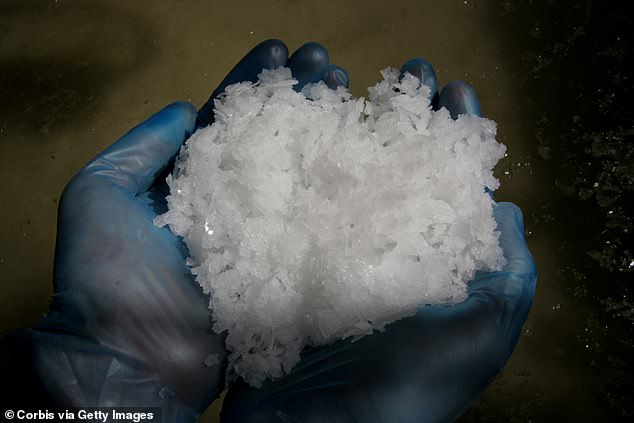
- Kosher salt: Known for its larger crystals, making it easy to sprinkle over food. It is typically mined from land deposits.
- Iodised salt: Contains small quantities of sodium iodide or potassium iodide, which support healthy thyroid function.
- Flaky salt: A sea salt with thin, delicate crystals, commonly used on grilled meats.
- Black salt: Widely used in Indian and South East Asian cooking, its color comes from heating and mixing charcoal, herbs, and spices.
- Himalayan salt: A distinctive pink variety mined from the Khewra Salt Mine in Pakistan, containing over 80 minerals.

Which Salt Is the Best One for Us to Eat?
Dr Oliver Guttmann, a consultant cardiologist, states that the type of salt matters less than the quantity consumed. He notes that sea salt, rock salt, and Himalayan pink salt all contain similar amounts of sodium chloride, and the cardiovascular risks associated with excess intake apply equally to all of them.
Ms Hope advises being mindful of refined salt intake, as the processing can strip away trace minerals. She suggests Himalayan salt as a good option for home cooking due to its retained nutrients but stresses that salt should not be relied upon as a significant source of nutrition. Iodised salt can also be beneficial for those on plant-based diets, as it supports healthy thyroid function.
What Are the Dangers of Eating Too Much Salt?
Long-term high salt consumption is linked to cardiovascular problems, as sodium causes the body to retain water, increasing blood pressure. The British Heart Foundation warns that high blood pressure can lead to heart attack, heart failure, stroke, and vascular dementia. The World Health Organisation estimates that 2.5 million deaths could be prevented annually if salt consumption were reduced to less than 5g a day.
Dr Guttman explains that the evidence linking high sodium intake to elevated blood pressure is robust, and hypertension is a leading risk factor for stroke, heart failure, and coronary artery disease. Most people in the UK consume significantly more than the recommended 6g of salt per day, often without realizing it, as much of it comes from processed and restaurant foods.
What Are the Dangers of Eating Too Little Salt?
Despite the general perception that salt is inherently bad, some experts argue for increased salt consumption. Dr James DiNicolantonio, in his book The Salt Fix, claims that the majority of people do not need to restrict their salt intake and that more salt could be advantageous for health. He found that approximately 80% of people with normal blood pressure are not sensitive to the blood pressure-raising effects of salt.
Dr Guttman notes that for certain patients, such as those with severe hypotension or specific autonomic conditions, maintaining adequate sodium intake is clinically important.
Who Should Have More Salt?
Dr DiNicolantonio outlines groups who may benefit from increased salt consumption, including:
- People starting low-carb diets, as reduced insulin levels can increase sodium loss through urine.
- Those following whole-food diets, which are typically low in salt.
- Individuals who regularly consume caffeine, as it can trigger frequent urination and increase sodium loss.
- People who sweat heavily, whether through exercise, sauna use, or hot climates.
- Those with high animal protein intake, as it can increase the need to urinate.
- Individuals experiencing dizziness when standing, which may signal low blood volume linked to low sodium levels.
- Those with postural orthostatic tachycardia syndrome (POTS), who may benefit from higher salt and fluid intake.
- People with hypothyroidism, certain kidney conditions, or those taking diuretics.

What’s the Difference: Added vs Natural Salts in Food?
Naturally salty foods include seafood, cheese, fermented or preserved foods, nuts, and avocado. However, around three-quarters of the salt we consume comes from ultra-processed foods (UPFs). Ms Hope notes that while it’s fine to get salt from olives or tuna in brine, the salt from fast food, fish and chips, or ready meals is often high in salt and of lower quality.
Are There Any Alternatives to Salt?
Ms Hope recommends using alternatives to boost flavor, such as vinegar, chilli flakes, paprika, cumin, and garlic. Reduced-sodium salt substitutes can also be useful, although they are not a direct replacement. She emphasizes that taste buds adapt to what they’re trained to expect, so reducing salt consumption should be done gradually.
So, Is Salt a Bad Thing?
Dr Guttman states that sodium is an essential electrolyte, not inherently a villain. However, for the majority of people eating a Western diet, particularly those with hypertension or heart disease, the evidence strongly favors consuming less salt. Ms Hope adds that slightly higher salt intake may benefit those on whole-food diets, while Dr DiNicolantonio believes certain groups need to increase their intake.
Ultimately, individual needs vary, so it is best to consult your GP to determine what is right for you.