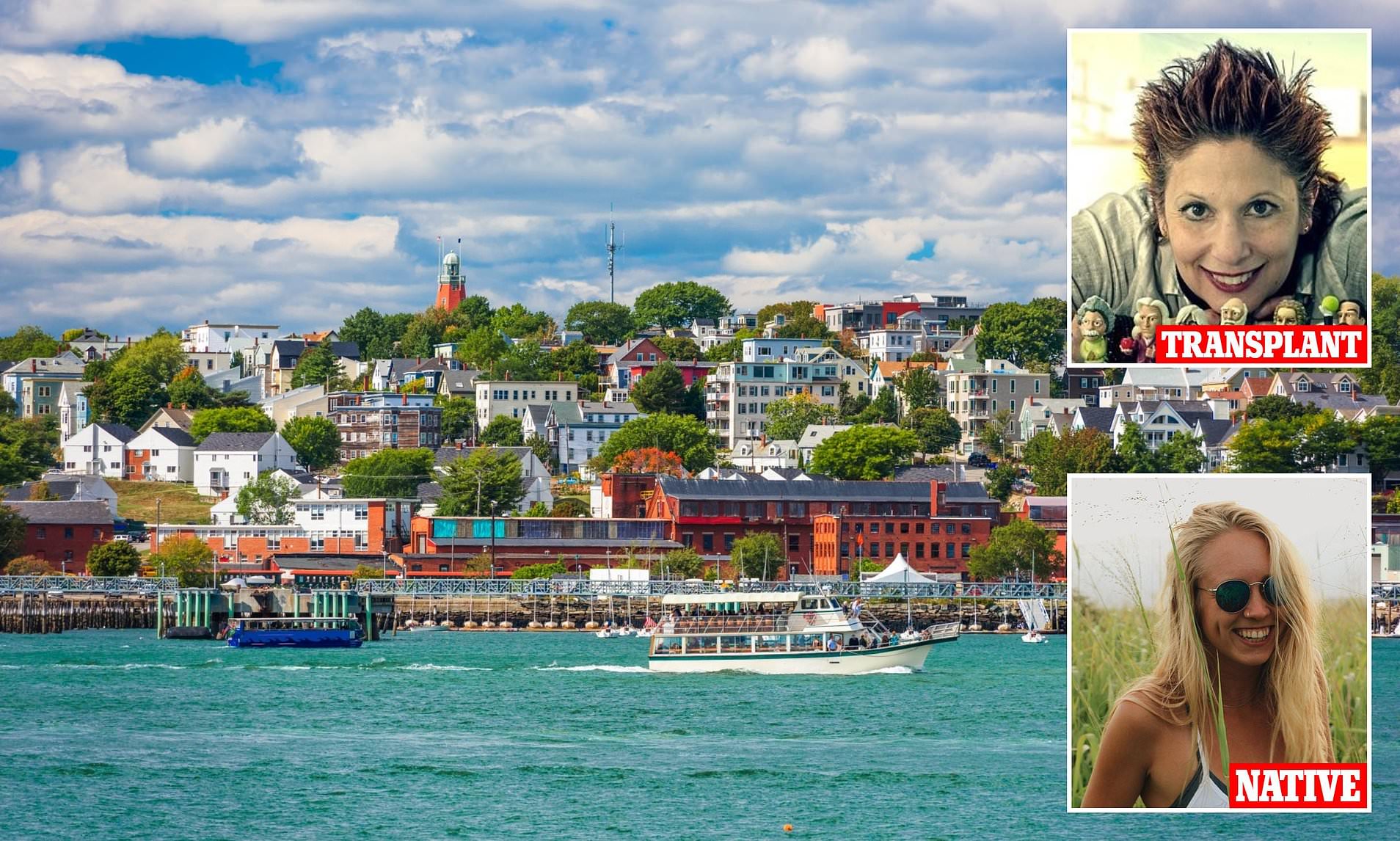
Demographic Shift in Portland
Portland is experiencing a significant demographic shift, with the number of residents born in Maine decreasing by almost a third over the last 25 years. As of 2024, only 40 percent of the city’s population was born in Maine, according to the latest American Community Survey. This marks a stark change from 2000 when 59 percent of Portland’s residents were from within the Pine State.
The city’s picturesque scenery, low crime rate, and community feel have all contributed to the influx of new residents. In comparison, New York City, consistently ranked as one of the most diverse cities in the world, has 48 percent of its residents born in New York state. However, this changing composition has raised concerns that Portland might lose some of the charm that initially attracted so many people.
If the trend continues at the same rate, there could theoretically be no Mainers living in Portland by 2050. However, experts believe the pattern will not continue unchecked. Beth Tanenhaus Winsten, a filmmaker who moved from Michigan, told the Portland Press Herald that she came to Portland because “it had community and beauty and kind people.”
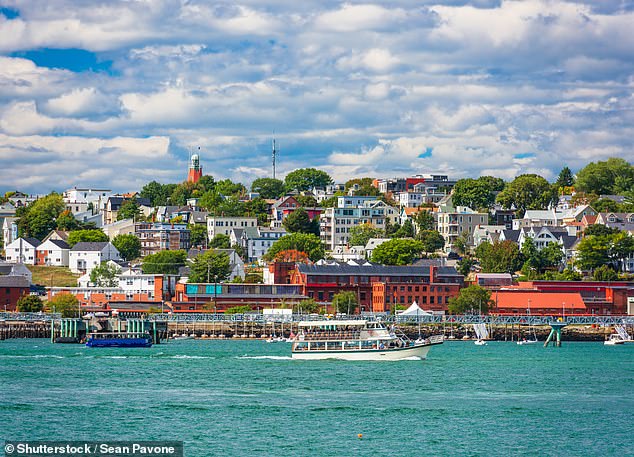

She was among the 126,000 people from out of state who moved to Maine from 2020 to August 2025, according to the outlet’s analysis of driver’s license conversion data. The decline of native Mainers in Portland, which has been decades in the making, only accelerated during the Covid-19 pandemic as people in large cities relocated once they had the ability to work from home.
The influx of transplants, along with a limited housing supply, drove up the city’s house prices, which have only just begun to level out, according to data from Redfin. Currently, the median cost of a home in Portland is $594,000, about 38 percent higher than the national average. The real estate boom has also priced out locals, with almost 83 percent of Mainers unable to afford a typical home in the state, according to a 2026 analysis by the National Association of Home Builders.
Despite this, Portland still has the benefit of being far less expensive than other New England coastal towns that also have working harbors and scenic rocky shorelines. A similar property in Gloucester, Massachusetts, would be closer to $740,000.

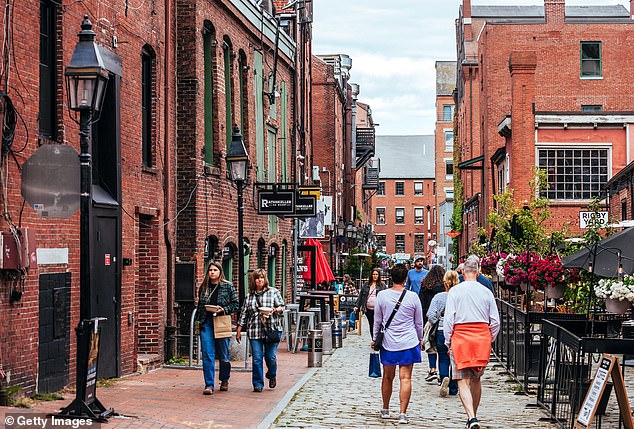
Many are also attracted to Portland’s lively culinary and performing arts scene, which has seen it dubbed the state’s cultural center. It is also renowned for its museums and cultural landmarks, including the Victoria Mansion.
Loretta Lees, an urbanist and faculty director of the Initiative on Cities at Boston University, told the Portland Press Herald that the city’s strong identity within New England is likely what is drawing new residents. “The hope is that they would take part in that,” she said.
Additionally, Portland has a low crime rate and is generally viewed as a safe place to settle. FBI data shows Portland recorded about 2.7 violent crimes per 1,000 residents in 2024, 25 percent below the national average. However, the city does struggle with elevated property crime, including shoplifting and car break-ins.
Despite the changing demographics, many native Mainers said they don’t feel threatened by out-of-state newcomers, as they still recognize the unique character of the city they call home. Clare Considine, who was born in Maine but left for college in California, has recently returned to Portland after a stint in New York. She said she is “kind of a novelty” among her transplant friends but is happy she made the decision to return. “I love it here,” she told the Portland Press Herald.