A Journey of Vulnerability and Connection
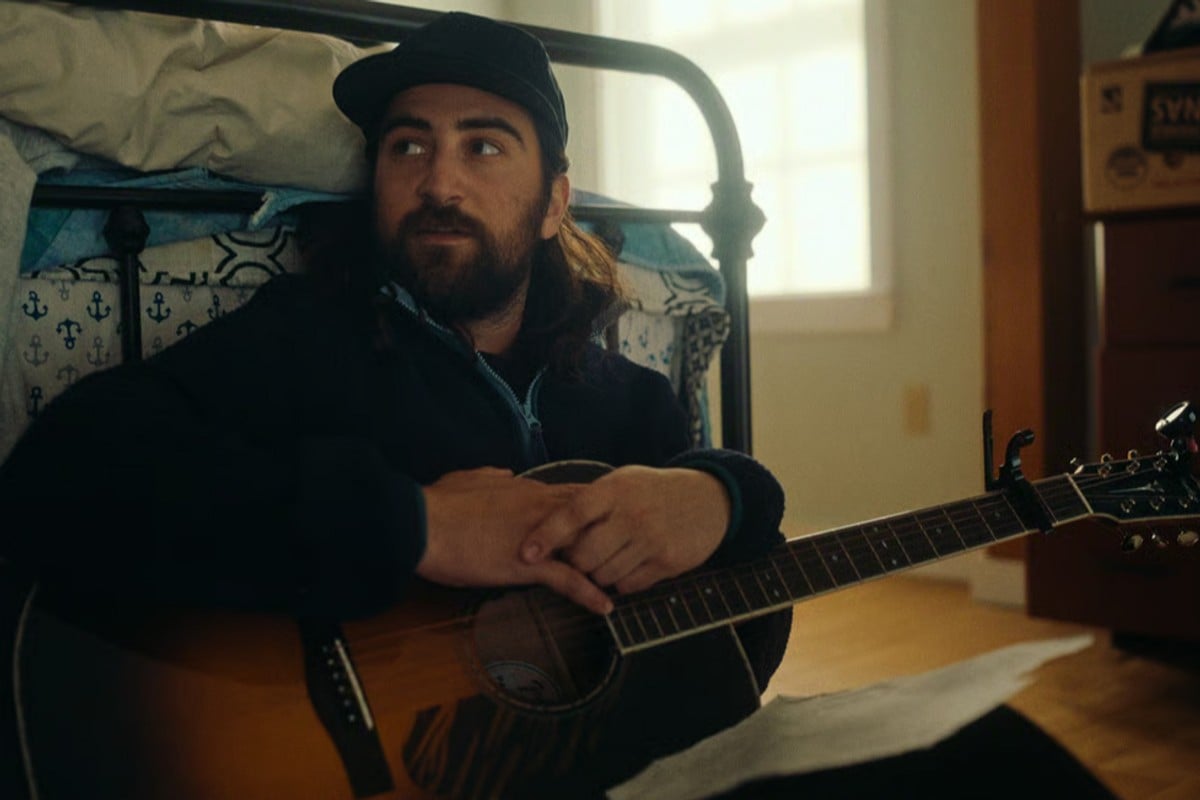
Netflix’s new film, Noah Kahan: Out of Body, offers a deeply personal look into the life of the American singer-songwriter as he returns to his rural roots after achieving international fame. The documentary, directed by Nick Sweeney, follows Noah for 18 months, capturing the emotional journey of an artist navigating the “in-between” moments after a sold-out tour.
Best known for his folk-pop storytelling and breakout album Stick Season, Noah Kahan has built a fanbase around music that speaks to themes of mental health, family breakdowns, and identity. This film, however, goes beyond the songs, offering an unfiltered glimpse into the artist’s life and the pressures that come with fame.
What makes this documentary stand out is its raw emotional depth. I didn’t know much about Noah before watching it, but what I found was a story that left me emotionally overwhelmed. It’s a visually beautiful film, not overproduced or flashy, yet it tells a deeply human story — one that resonates with anyone who has ever felt the weight of their own struggles.
The Power of Openness
One of the most striking aspects of the film is how open Noah is about his inner battles. His vulnerability is uncomfortable to watch at times, because it is sad and feels private. But seeing him share his pain — and love — so candidly is exactly why everyone should watch it.
In a time when boyhood seems shaped by a toxic ‘manosphere’ where appearance is everything and emotion is weakness, Noah’s openness feels refreshing and hopeful. He talks openly about anxiety, generational trauma, and body dysmorphia — topics that are often overlooked in discussions about mental health.
Family Dynamics
Another element that stood out was the focus on Noah’s parents and siblings. There is resentment and guilt buried in his family ties, but there is also a deep respect. They hold on tight to that invisible string connecting them, even though it’s strained. This dynamic is something many people will relate to.
The father-son relationship is particularly moving. Noah was taught to play guitar by his father, Josh, and when the two play a rendition of the Cat Stevens’ classic Father and Son on the front porch, it’s a moment that captures the complexity of their bond. Josh had a traumatic injury when Noah was in school, which changed the course of their family forever.
The guitar duet is intimate, and it feels like you’re intruding by watching. The lyrics, the emotion in their eyes; they look desperate to connect, but want to act ‘normal’, in the way men do. The director, Nick Sweeney, even cried during the scene. You can notice some of the camerawork goes out of focus, this happened because he was wiping away tears.
Noah admits he’s been “too hard” on his dad in recent years and wishes he could apologise to him. “You just can’t find the connection, because you’re so similar,” Noah explains of their relationship. Despite their tense friendship, Noah chose to build a life around the one thing that holds them together: music.
The Role of Family in Art
The documentary also explores how his mum, Lauri, feels about having the family’s “messy parts” reflected in Noah’s lyrics. It’s a rare insight, music fans don’t often get to hear. Noah says he should have asked permission before turning his trauma into art, but his mum couldn’t be prouder.
“Noah makes our family’s ‘dirty laundry’ seem like being human. That’s what resonates with people. No family is perfect, and ours is clearly not.”
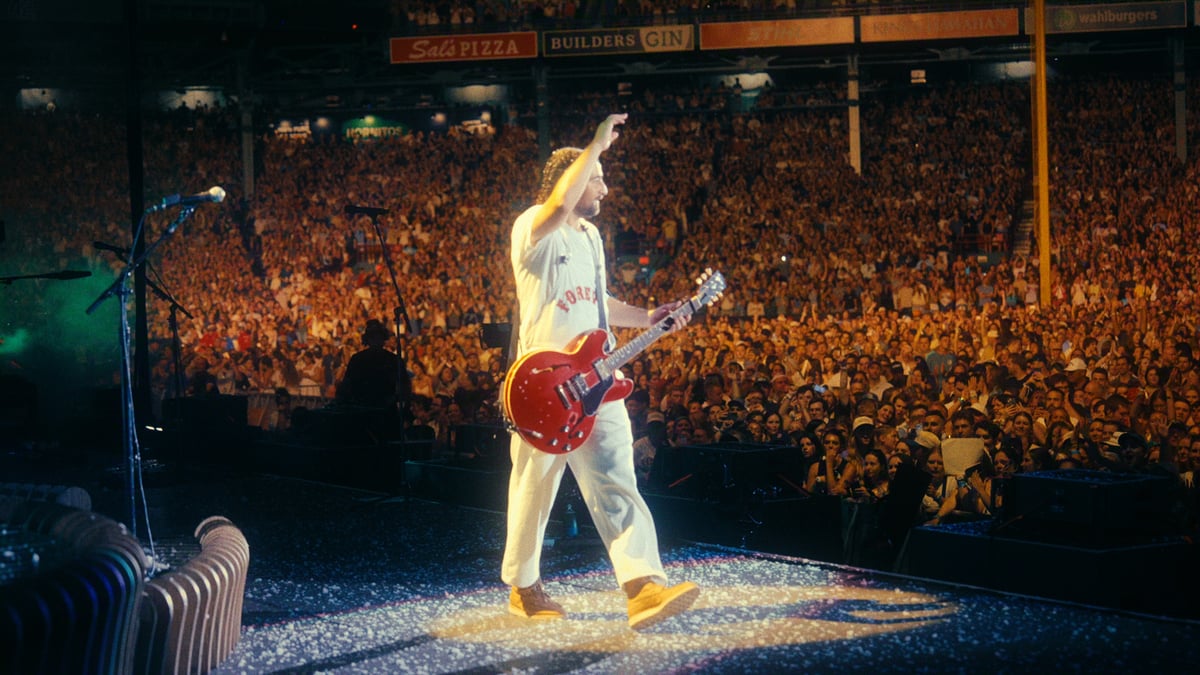
Noah Kahan on stage, Image: Supplied.
Challenging Stereotypes
I didn’t know men struggled with their bodies the way women do. Noah has used his fame to bring awareness to topics like anxiety and OCD, but this is the first time he has talked about his body dysmorphia and disordered eating.
“It feels like I don’t have anything attractive about myself, or that matters,” he admits in the film. “When I look in the mirror, I feel I don’t know what my body looks like… It’s something I’ve silently struggled with for 15 years.”
Disordered eating is something he’s experienced “in ways his whole life”, but particularly “the last four or five years.” Body dysmorphia is misunderstood, and often only spoken about as something that affects women. Hearing Noah talk about his negative self-image is heartbreaking — but inspiring.
It’s uncommon for men to speak about disordered eating, and his courage to do that while the cameras are rolling will hopefully reduce the stigma around it.
“I’m not curing it, but I’m definitely walking near it, poking it with a stick, saying, ‘what are you?’, and telling it to come out of the dark and show itself. It feels nice. It feels like progress, which is cool,” he says.
A New Perspective on Mental Health
The most honest portrayal of men’s mental health comes through Noah’s unguarded honesty. My hope is that his openness encourages others, particularly men, to speak up about their own pain. He says in the film that boys are growing up believing their reputation is everything, and that “being vulnerable or seeking therapy is a sign of weakness.”
But his film proves the opposite. Noah’s softness challenges harmful ideas about masculinity and shows us that true strength comes from honesty, not silence. His story proves community and connection are the most powerful tools for mental health.
As psychologist Dr Julian-Pascal Saadi observes, “connection enlivens Noah, disconnection deadens him.” When talking about moving back to the slow town he and his partner are from, he says, “at least I’ll be anxious and depressed in a place that looks anxious and depressing.”
He needs his external world to reflect his internal state, and he needs the external world to feel like home. When it doesn’t, he feels alone in his pain.
The Impact of Music
Noah’s desire to be heard is universal. And it’s exactly why his music is so impactful. “When we listen to sad songs, for a moment, the external world reflects our internal state. It taps into our need to feel understood and held, which for many of us, can feel like ‘home’ deep inside,” Dr Saadi says.
“One of the fans had a sign saying, Who needs therapy when you have Noah Kahan?. It’s a beautiful statement which highlights that art and music can have the same function as therapy.”
In promoting the documentary, Noah says he didn’t set out to show the world his darkest moments, but now realises, “anything scary or hard is usually worth sharing with the world.”
There is no straight path to health and happiness, but connection can make the hard times easier. Thank you Noah for reminding us.