Food and Wine
Let’s do lunch (and skip dinner)
If you want good food but don’t want to pay full price, consider dining at lunchtime. In much of mainland Europe, look for restaurants offering “prix fixe” or discounted set-menu lunches. In Japan, high-end restaurants often have discounted lunch seatings.Convenience stores really can be convenient
Not all convenience stores are the same, but in Japan or South Korea, they offer affordable and tasty cuisine, including pasta dishes, dumplings, and fried foods. Drinks like coffee and beer are also cheap.Thirsty? Try these tips for a tipple
Instead of going out to bars, head to supermarkets where beer and wine are very cheap. In wine-producing regions, you may find wineries that sell their products in bulk, in reusable containers.Take it to the streets
Street vendors often serve cheap and tasty food. Whether it’s Thai noodle sizzlers or American burger flippers, this is usually the most affordable and enjoyable way to dine.Become a member of the smorgasbord
If your hotel offers a breakfast buffet, take advantage of it. Load up on croissants, ham, cheese, and an apple. Don’t let this go to waste.Get fresh with the locals
Markets are great for affordable and fresh local produce. You can also enjoy simple meals or snacks while shopping.Eat what the locals eat
Locals often eat in the most affordable and enjoyable ways possible. This could be home-cooked meals, street food, or small trattorias.Happily exploit happy hours
Bars around the world offer happy-hour specials. In Italy, “aperitivo” drinks are often served with free snacks.Deliver your own budget
Create a budget for your travel experience, especially for food. Decide how much you can afford to spend and stick to it.Get it while it’s d’hote
“Table d’hote” dining is a multi-course meal with fixed prices. It’s a great way to eat well and save money.
Transport
Embrace a hire purpose
You can usually reserve a hire-car without paying an upfront fee. Book well in advance and if a competitor offers a better rate closer to your departure, grab it and cancel the original reservation.Tackle collision waivers head on
Full collision damage waiver for your hired vehicle is expensive. Specialist insurers, such as Rentalcover.com, offer comprehensive cover at a much lower price.Make a (right) day of it
Choose off-peak days for your flights. International flights that depart on weekends tend to be more expensive. Use flight search engines to compare day-by-day prices.Drop the “shop till you drop” mentality
Avoid airport shops during layovers. They are expensive real estate, and their wares are not always a bargain. Buy goods in Australia and save on GST.Train yourself to take public transport
Using public transport is cheaper than taxis. Many cities offer budget-friendly daily or weekly passes.Think small not big
Search for lesser-known airlines for flights to and from Europe. Flying with Royal Brunei, for instance, adds one stop and 90 minutes to a trip to London, but can be as much $1,000 cheaper.
Accommodation
Home sweet (someone else’s) home
House swapping is a brilliant way to make massive savings on accommodation. Home Exchange has over 100,000 properties available.Adopt a package mentality
Book a package holiday. Travel operators get discounts on travel, accommodation, and activities, which they pass along to consumers. Check reviews carefully.

Make remote resorts your last resort
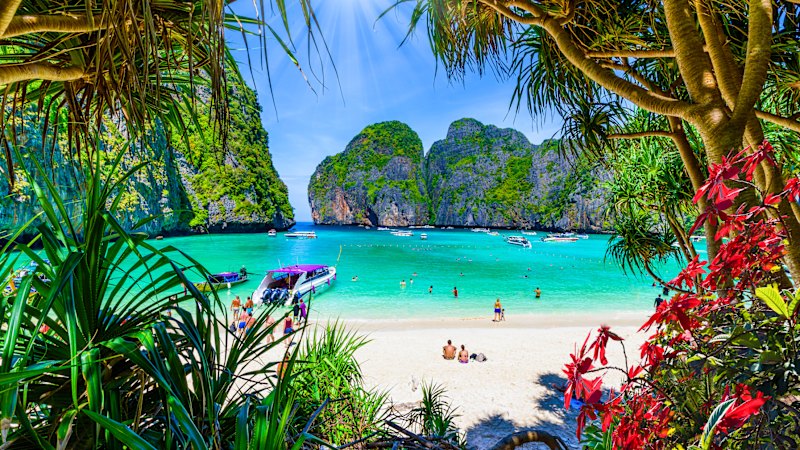
Tropical island resorts can be relaxing, but dining options are limited, and food and drink prices are typically high.Go flat out
An apartment is a great money saver for families. You can prepare your own meals and a two-bedroom apartment usually costs far less than two hotel rooms.Treat yourself, with conditions
Allow yourself a few treats, but choose wisely. If you love an opulent hotel room, splurge on a five-star stay but balance it with cheaper eating options.Make your own meal of it
If you have a kitchen at your accommodation, cooking your own meals will save money. Buying ingredients from fresh food markets allows you to experience local gastronomic culture.Switch off the booking engines
Don’t expect booking websites to be cheaper. Compare prices on the hotel’s own website or call hotels directly for better rates.Make it “always on a Sunday”
Sunday is usually the cheapest night to stay at a hotel. Consider hotels targeting business customers for better rates.
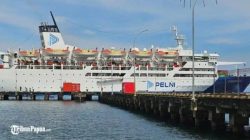
Cruising
If school’s out, rule it out
Avoid school-holiday itineraries on family-friendly ships. Shoulder seasons have lower cruise and airfares and decent weather.Be a bargain-hunter
Sign up for cruise line e-newsletters and check newspaper advertisements for the latest deals. Social media is also a good source of up-to-date offers.Book early, very early
With growing demand, last-minute bargains are rare. Book a year in advance for steep discounts.Sweeten up to the cruising sweet stop
January-February and September are the best times to find deals. Cruise companies promote special offers to fill staterooms.Position yourself on a repositioning cruise
When ships move between regions, itineraries come at bargain prices. These cruises have more days at sea and fewer port visits.Make friends with the neighbours
Most voyages out of Australia are operated by big ships with lots of capacity, resulting in consistently lower prices.Go older to be wiser
Older ships often have lower prices as they are harder to fill. Prices fall accordingly.Don’t make a balcony scene
Cruise balconies are overrated. You’ll save money by choosing an inside cabin. Higher decks also cost more.Take yourself to the river
River cruises are more inclusive than ocean cruises. Shore excursions are included, though there may be added-cost alternatives.Make travel insurance your firm policy
Travel insurance can save you later. Additional cover for cruising and high-risk activities is essential.
Tours
Go pricey to save money
Pick an expensive travel destination such as Scandinavia, Iceland, Switzerland, Japan, or Australia. Tour companies can shave costs off hotel rooms, transport, and entrance fees.Take a peek at off-peak
Tour prices fluctuate. Avoid peak season, which isn’t always the best time of year. Early June or late September is usually delightful.Go with the pros
Use established tour operators or travel agents for safety and reliability. Shonky Brothers Tours may be cheap but lack a safety net.Stay safe and check the health plan
Check if the tour company minimises risk. Know what happens if you get sick and whether there is a refund policy.Lock it in now, not later
Seal the deal on your package now, especially if heading to countries with high inflation.Make one the one
Booking everything with one supplier can benefit from a discount. Add-ons include airfares, airport transfers, and pre- and post-tour stays.Go big on the small print
Study the small print when booking tours. You may end up paying extra for meals or entrance fees.Break out on your own
Some companies offer optional half-day activities at add-on cost. Check if you can manage them on your own or find alternatives.Don’t be sparing with your spare time
Ask your tour leader or hotel concierge for advice on getting about. They may have tips on public transport, free attractions, and local restaurants.Give the flick to the knick-knackery
Avoid impulsive buys and useless knick-knacks. Ask yourself if you really need them.Enter at your own risk
If your tour guide or driver shepherds you into a particular shopping outlet, there’s a good chance they receive a commission. Shop alone and bargain where appropriate.
Miscellaneous
Get full bottle on the H20
Carry your own water during warmer months. Many cities have free drinking fountains.Don’t fail to get a pass
Check for attraction passes in big cities. You’ll save a bundle over the cost of individual tickets.Trust the government (really)
Apply for visas on official websites. Non-government sites charge hefty fees and do nothing to speed up the process.Don’t be dim with SIMs
Use a local SIM card or an international prepaid SIM card to avoid global roaming charges.Step this way
Most cities have free walking tours. They’re often guided by students and are passionate about local culture.Achieve chart success
Download maps to your phone before your trip. Avoid using data when overseas.Worship churches
Christian denomination churches are virtually free museums. They often feature great art and architectural wonders.