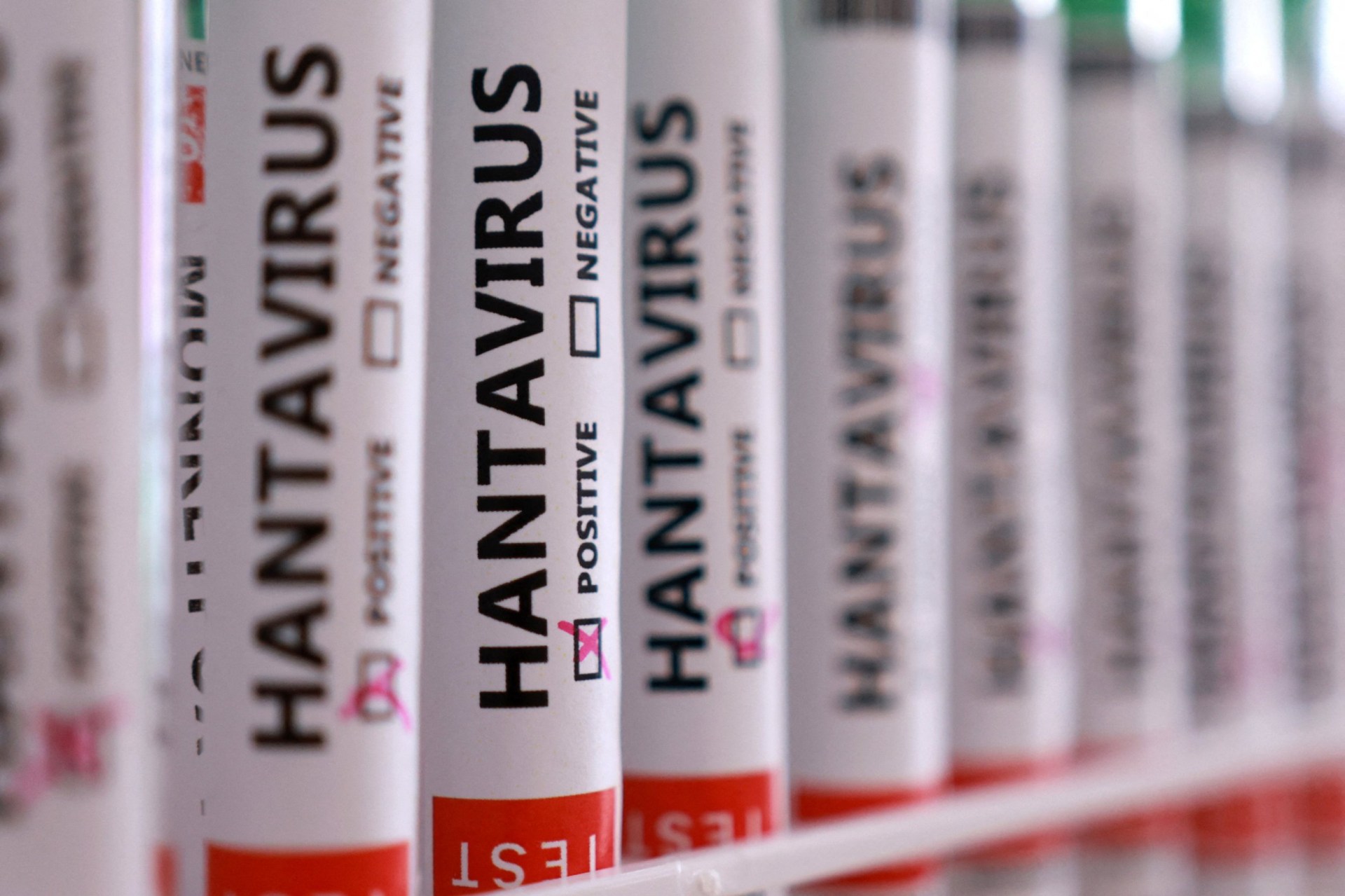
Two vials of hantavirus went missing from an Australian laboratory two years prior to the recent outbreak on the cruise ship MV Hondius. Out of 300 vials that disappeared in 2024, two contained the hantavirus, which is linked to a condition that has resulted in three deaths in the last two weeks. At the time, it was believed that the disappearance occurred when the vials were being transferred to a new freezer. However, an investigation suggested they were likely destroyed rather than stolen. The vials are not connected to the most recent outbreak.
The disease has gained attention recently after multiple passengers aboard the cruise ship contracted symptoms of the illness. A husband and wife, both 69 years old, developed the rodent-borne virus and brought it aboard the ship after visiting Ushuaia, Argentina. The pair, from the Netherlands, are thought to have visited a landfill site during a birdwatching trip and may have been exposed to rodents carrying the deadly infection.
The husband died on April 11 after reporting flu-like symptoms, which he experienced for five days. His body was taken ashore at Saint Helena on April 24, where his wife also disembarked. She then fell ill and died in Johannesburg on April 26. A German national also died on the ship on May 2.
A British crew member who was evacuated from the ship with symptoms of the virus has been named as Martin Anstree. The 56-year-old is a former police officer turned wildlife photographer and was on board as an expert birdwatching guide. He told Sky News from the hospital in the Netherlands where he is receiving treatment: “I’m doing OK. I’m not feeling too bad. There are still lots of tests to be done. I have no idea how long I’ll be in the hospital for. I’m in isolation at the moment.”
How many Brits have been affected by hantavirus?
Three British nationals are confirmed or suspected of having hantavirus. One is being treated in South Africa, one is being treated in the Netherlands, and the other is being treated in Trista da Cunha. Seven Brits disembarked the ship at St Helena following the first death. Four remain there and have been located. Two Brits who disembarked have been located in the UK and are self-isolating. One person has not yet been traced.
His wife Nicola told the Telegraph it had been “a very traumatic few days.” She added: “He’s relieved to be off the ship. He had it quite mild, then it got a bit more serious, and now he’s stable again. The fear with this virus is it can deteriorate very quickly, so it’s been a bit up and down for him. I don’t believe he’s in imminent danger now, but it was horrible.”
Everything you need to know about the hantavirus
Last week, The World Health Organisation confirmed five cases of the illness, but this number may rise as the incubation period can last up to six weeks. A third British national was also diagnosed with “suspected hantavirus” in connection with the outbreak.
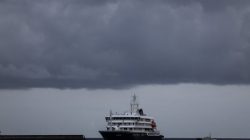
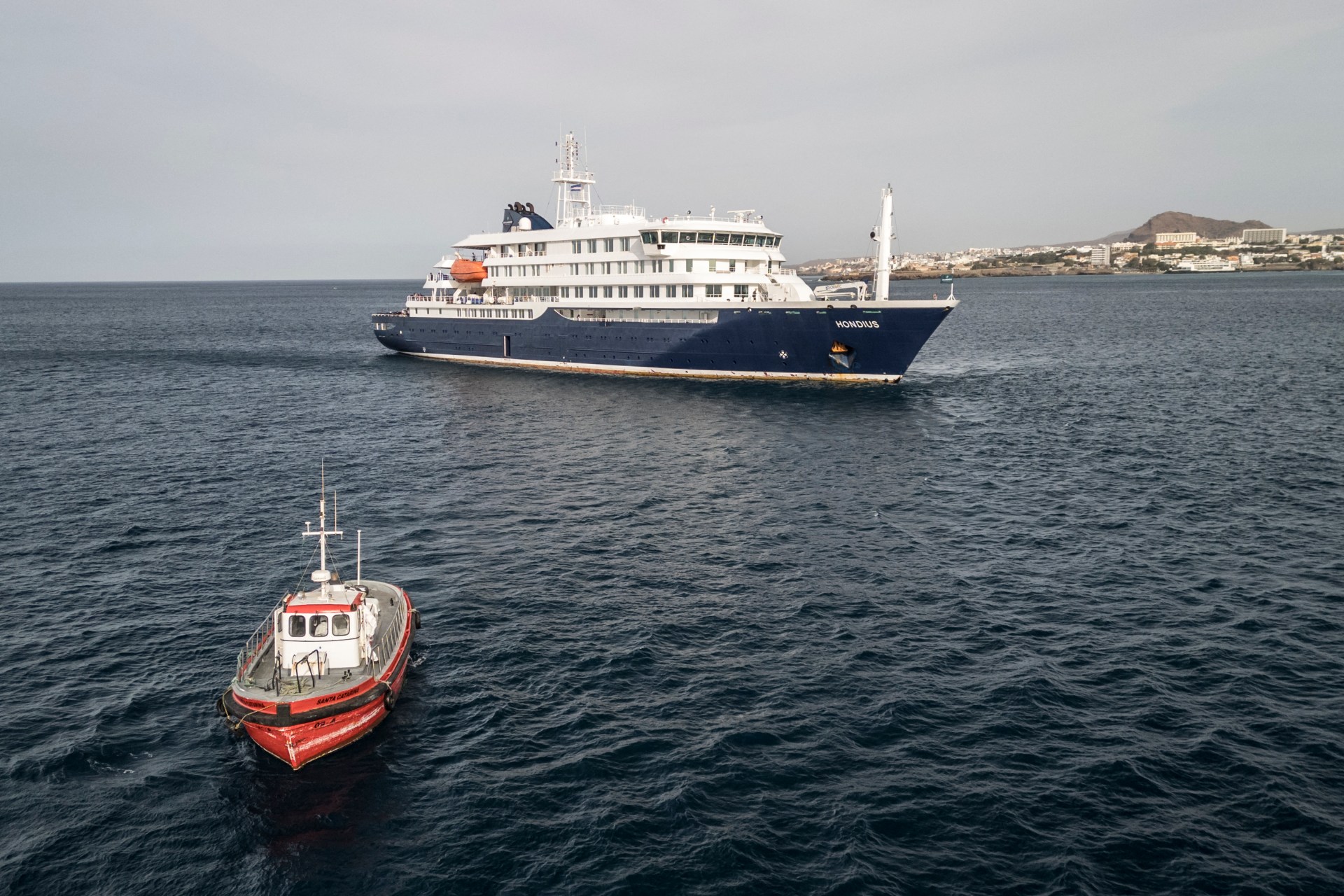
The MV Hondius, which originally left from Argentina on April 1, was due to make its final stop in Cape Verde, but officials in the West African nation refused to allow passengers to disembark. It then made its way to Tenerife, where it arrived on Saturday. Authorities in Madrid said they had agreed to allow the ship to port following instructions from the WHO.
It’s a worrying series of events, echoing the early weeks of the Covid epidemic, but in a press conference last week, Maria Van Kerkhove, from the UN Health Agency, reassured the public, stating: “This is not the next Covid, but it is a serious infection.” She continued: “The risk to the general public is low… I really just want to assure people, this is something quite different.”
So, how concerned should we be about this outbreak and what should we do to protect ourselves? spoke to pharmacist, Thorrun Govind, to find out.
What is hantavirus?
“It’s very rare for hantavirus to spread from person to person, this is not like Covid or flu,” Dr Govind tells. “It is a group of viruses, not one specific virus, which is carried by rats and mice and can cause serious disease in humans.”
Catching hantavirus can lead to two main illnesses:
- Hantavirus pulmonary syndrome (HPS) which affects the lungs
- Hemorrhagic fever with renal syndrome or (HFRS) which affects the kidneys
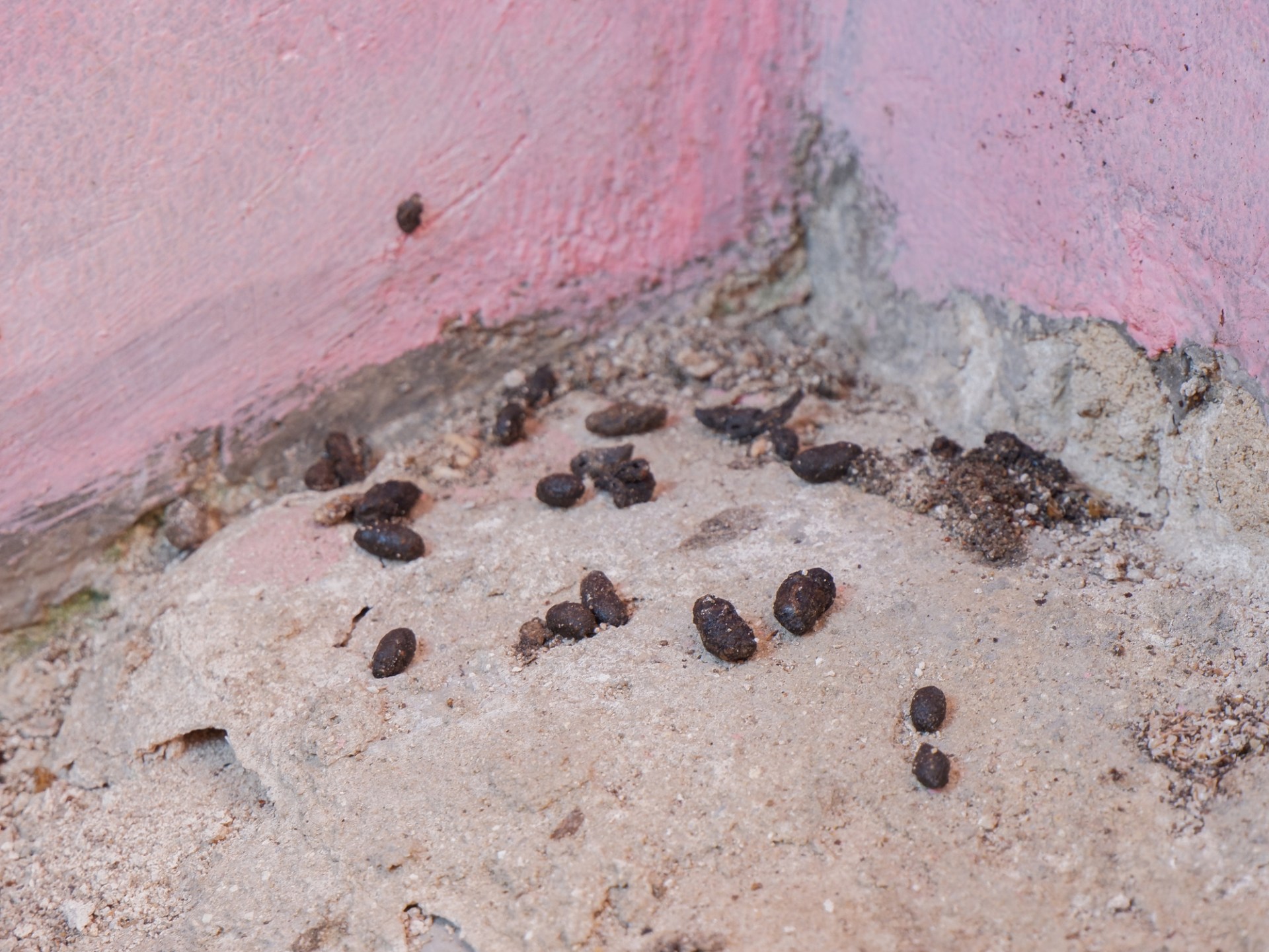
Dr Govind explains you contract the virus by exposure to rodent urine and droppings. “We’re really talking about breathing contaminated air, because the virus becomes airborne when rodent urine or droppings dry out,” Dr Govind adds. “You’ll need to be in the contaminated area for a prolonged amount of time, but you can get it from touching contaminated surfaces or from a bite or scratch, but that tends to be rarer.”
What is the latest guidance for Brits in the UK?
The risk to the general public remains very low. Dr Meera Chand, deputy director for epidemic and emerging infections at UKHSA said: “We are standing up arrangements to support, isolate and monitor British nationals from the ship on their return to the UK. We are contact tracing anyone who may have been in contact with the ship or the hantavirus cases to limit the risk of onward transmission. UKHSA will continue to work closely with government partners to offer all necessary support.”
Can hantavirus be spread by humans?
Although uncommon, hantavirus can be spread between humans through “close and prolonged contact” with infected individuals, “particularly among household members or intimate partners”, according to the WHO. The WHO also stated that limited human to human transmission has been reported in previous outbreaks of the Andes virus — a particular strain of hantavirus that is mostly found in Argentina and Chile.
The Andes strain has previously been linked to more severe illness and death. The WHO tells: “While it seems human-to-human transmission may have taken place on the ship, the risk is highest for those who were close contacts. The situation on the ship is being carefully handled to limit any risk to passengers and the public.”

What are the first signs of hantavirus?
If you are worried you could have been exposed to hantavirus, you’ll need to look for symptoms that could be confused with flu. “Early symptoms can be fatigue, a fever, a headache, and muscle ache,” Dr Govind explains. This muscle pain will likely manifest in areas like the thighs, hips, back and shoulders according to the Centre for Disease Control.
If it progresses into HPS, about half of these patients will experience headaches, dizziness, chills and abdominal problems like nausea, vomiting, and diarrhoea. About four to 10 days after these initial symptoms, the CDC says you’ll experience “late symptoms” which include coughing and shortness of breath, as well as tightness in the chest as the lungs fill with fluid.
If you develop HFRS, initial symptoms will include intense headaches, back and abdominal pain, fever or chills, nausea, and blurred vision. You could even have inflammation or redness in your eyes or a rash. Once the disease progresses, later symptoms include low blood pressure, acute shock (lack of blood flow), internal bleeding, and acute kidney failure, according to the CDC.
What is the mortality rate for hantavirus and is there a treatment?
Hantavirus can be fatal, so it’s important to keep an eye on symptoms if you believe you’ve been exposed (although this is highly unlikely). About 38% of people who develop respiratory symptoms may die from the illness, but the type of strain can also impact the mortality rate. Hantaan (from field mice) and Dobrava (from yellow-necked field mice) virus infections usually cause severe symptoms where roughly 5% to 15% of cases are fatal, while others like Seoul (from rats), Saaremaa, and Puumala (from bank voles) virus infections see less than 1% die from the disease.
“Hantavirus can have serious consequences but there are some groups who are more susceptible,” Dr Govind explains. “People who are immunosuppressed or who are elderly are going to struggle more than others.” But the pharmacist says, at this time, there is no cure for the disease and while antivirals have been used, they aren’t a standard treatment. “Typically, they’ll be admitted to hospital, monitored and supported,” she adds. “They might have oxygen therapy if they have breathing difficulties, and doctors will monitor key organs like the heart, lungs and kidneys.”
Is hantavirus in the UK?
It’s believed that 19 British nationals were listed among the 150 passengers on the cruise. Currently, two British people are self-isolating at home in the UK after potential exposure to the virus onboard the cruise ship. However, according to the UK Health Security Agency (UKSA), neither of them are reporting symptoms. All British passengers onboard the MV Hondius will be asked to self-isolate in the UK for 45 days.
Since 2012, there have been six cases of acute kidney injury due to hantavirus infection in the UK, and a possible 11 cases overall, according to the government.
Should we be worried?
While the current outbreak and the rise in cases may be frightening, health officials do not expect the outbreak to be an epidemic. During a briefing on Thursday, WHO Chief Dr Tedros Ghebreyesus said that the organisation is aware of reports of other people with symptoms who may have had contact with passengers from the MV Hondius cruise ship. More cases may be reported, he said, but WHO stresses that it has assessed the public health risk as low.
Meanwhile, infectious disease epidemiologist Maria van Kerkhove stressed during the WHO briefing that the hantavirus outbreak is “not the start of a Covid pandemic” as the virus doesn’t spread in the same way as coronavirus. Confirming that while the number of cases are on the rise, she added: “This is not Covid, this is not influenza, it spreads very differently.”
Dr Abdirahman Mahamud, director at the alert and response co-ordination department of the World Health Organisation’s Emergencies Health Programme, highlighted a similar outbreak in Argentina between 2018 and 2019, which led to a total of 34 cases. Dr Mahamud added: “We don’t anticipate a large epidemic. With experience our member states have, and the actions they have taken, we believe that this will not lead to subsequent chain of transmission.”

How do I avoid getting hantavirus?
If you own rodents as pets you may want to be hypervigilant, but anyone can contract it. However, there are things you can do to try and avoid catching the illness. “If you’re sweeping somewhere where there could be dry droppings for example,” Dr Govind says, “you want to avoid creating dust and use protective equipment.” This includes things like face masks and goggles etc, and you need to maintain your personal hygiene.
If you do have rodent droppings, you’ll want to call a professional who can help find out where the rat is and manage the situation – as well as help you clean, the expert adds. The CDC also recommends minimising or eliminating contact with rodents in your home, workplace or campsites, to reduce your exposure risk. The organisation also says to seal holes and gaps in your home or garage to keep rodents from getting in and place traps, while cleaning up any easy-to-reach food that could lure rodents.
Add as a Preferred Source on Google
Add as preferred source
Stay up to date with the stories everybody’s talking about by signing up to ‘s News Updates newsletter.