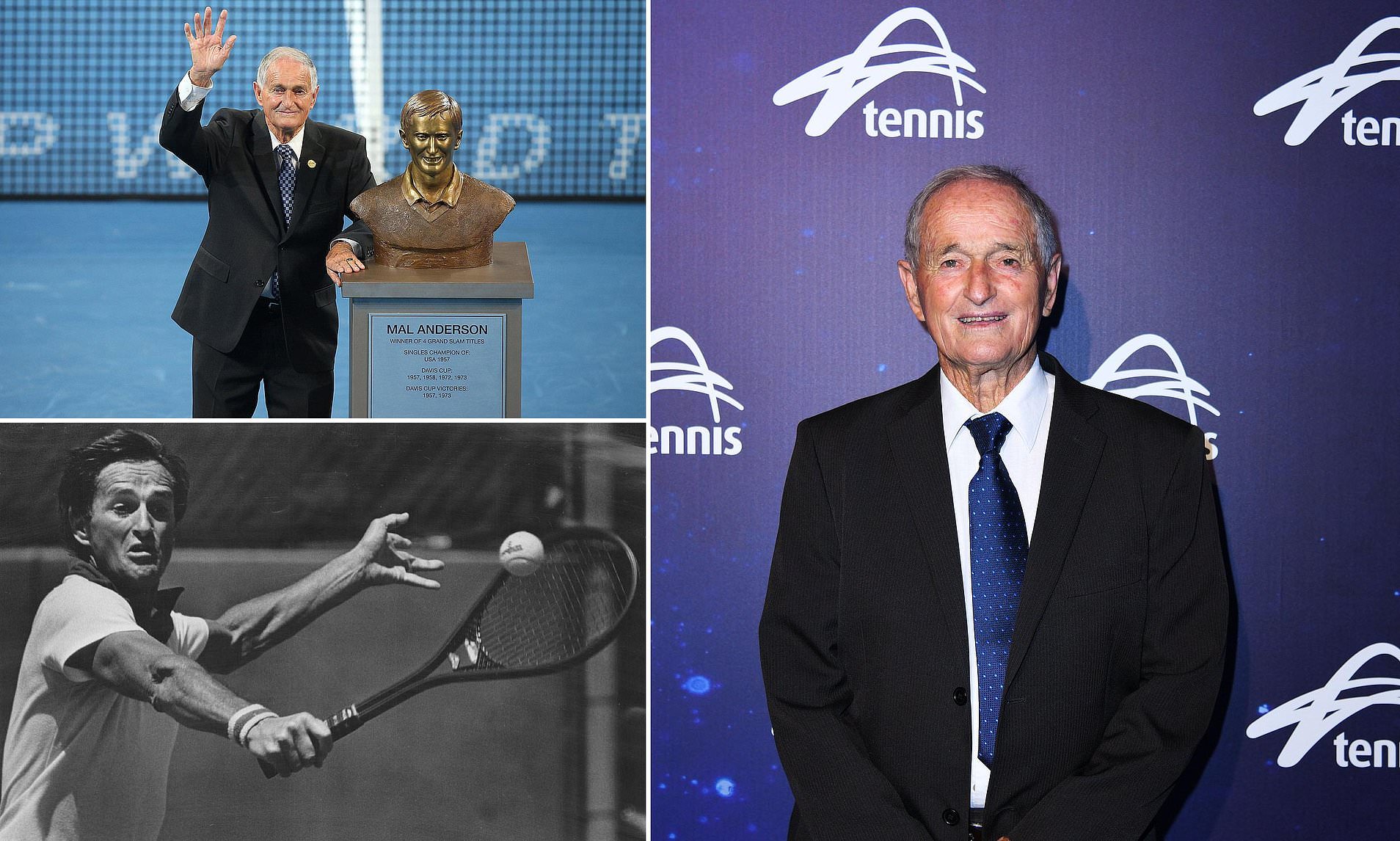
A Legacy of Excellence and Generosity
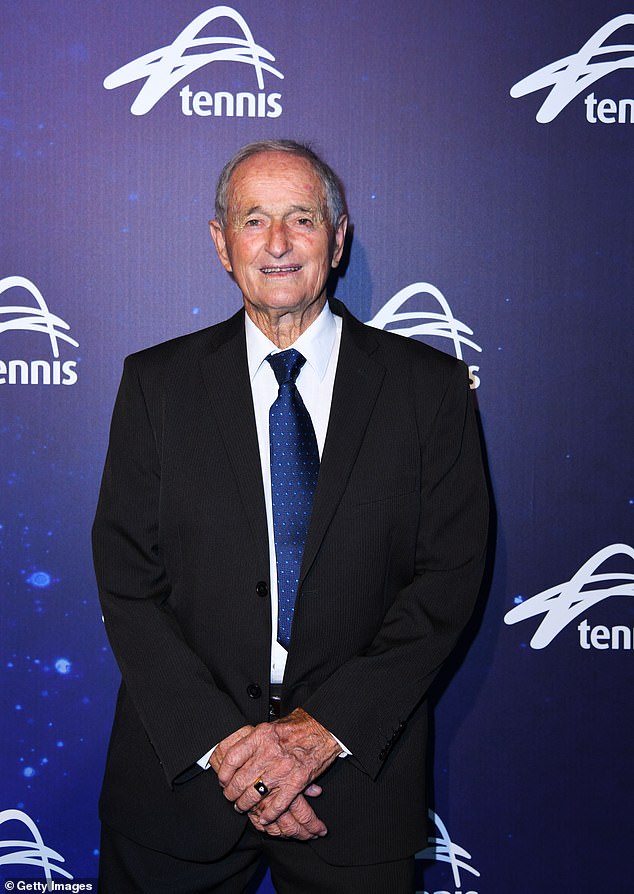
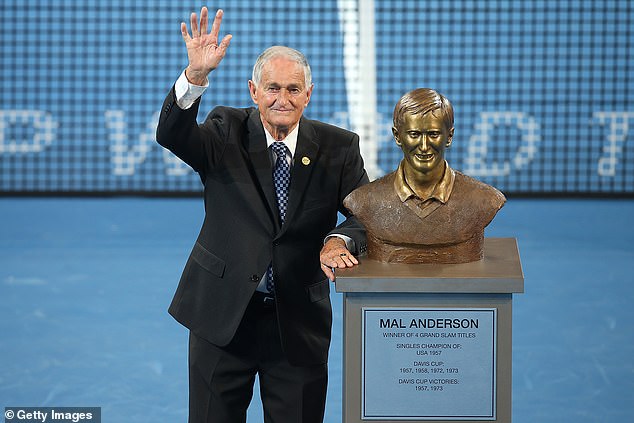
Australian tennis is mourning the loss of a true legend, Mal Anderson MBE. At 91 years old, Anderson left an indelible mark on the sport through his remarkable career and the countless lives he touched.
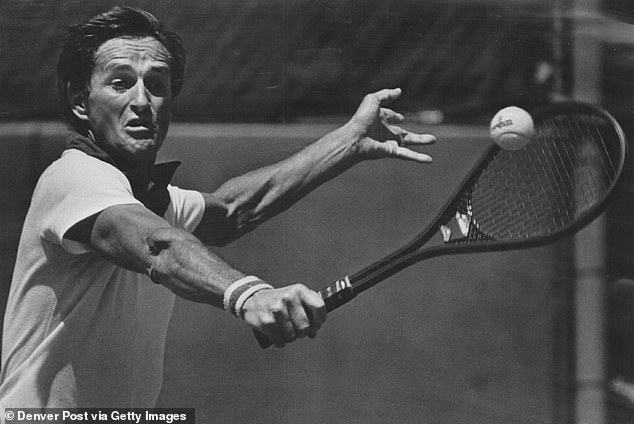
Anderson’s professional journey was nothing short of impressive. He claimed the 1957 US Open singles title, a feat that solidified his place in tennis history. In addition to this, he secured the 1957 French Open and 1973 Australian Open doubles titles, showcasing his versatility and skill on the court.
His breakthrough came in 1956 when he reached the semi-finals of the Australian Open, where he faced Ken Rosewall. Though he fell short, it was a significant moment that set the stage for his future success. The following year, Anderson achieved his first and only singles title by defeating Ashley Cooper in New York. His performance at the 1957 US Open was particularly notable, as he defeated three seeded opponents and dropped just two sets on his way to victory.
After a brief hiatus from competitive play, Anderson ran a tennis and squash centre in Brisbane. This period allowed him to give back to the sport, eventually leading to his return to the court.
Following his retirement, Anderson took on the role of mentor to several Australian tennis stars, including Pat Rafter, Scott Draper, and John Fitzgerald. His guidance and support were instrumental in shaping their careers.
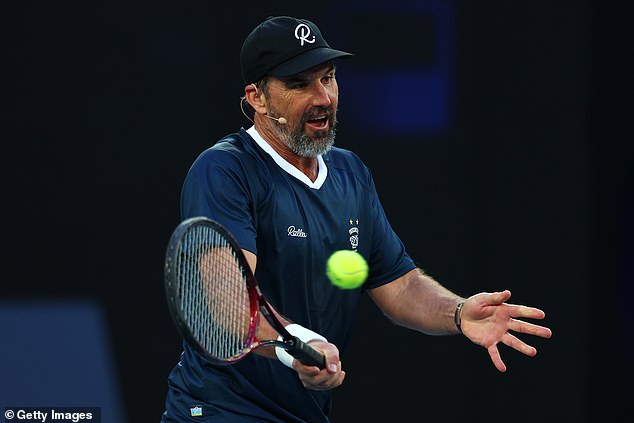
Pat Rafter reflected on the impact Anderson had on his life. “I was really sad to hear of Mal’s passing,” Rafter said. “He was one of the people who helped me shape my tennis from very early on. He took me overseas for the first time, over to Wimbledon, and introduced me to what the professional game looked like and what it meant to carry yourself properly around it.”
For a young Aussie kid coming through, that was a pretty special thing to have someone like Mal do for you. “I still remember being at Queen’s Club in London and hearing the reception he got when his name was announced – the whole place stood up for him. That told you everything about the respect people had for him, not just here in Australia but around the world.”
“He was a true legend of the game, but more importantly he was a terrific bloke – humble, generous with his time and always happy to help younger players along. Tennis in Australia has lost one of its greats, and a lot of us have lost a mate and mentor. I feel very lucky to have known him.”
Scott Draper also shared his memories of Anderson. “Mal was someone I looked up to from a very young age. I had my first tennis lesson from Mal at five. Our family spent every weekend playing tennis at his centre, it was a home away from home.”
“In my teens, I was part of the Mal Anderson high-performance squad with my brother Mark. Mal was the epitome of fitness and professionalism and role-modelled the highest standards, inspiring all of us to be better.”
“I was lucky to travel with him on his Mal Anderson Exhibition tours, which are an incredible legacy. He took tennis to the regions and took young wannabes like me with him. We learned how to coach and play exhibition matches. Mal was a joy to be around, humility personified and always took genuine interest in your life. A great bloke and his legacy will definitely live on in me.”
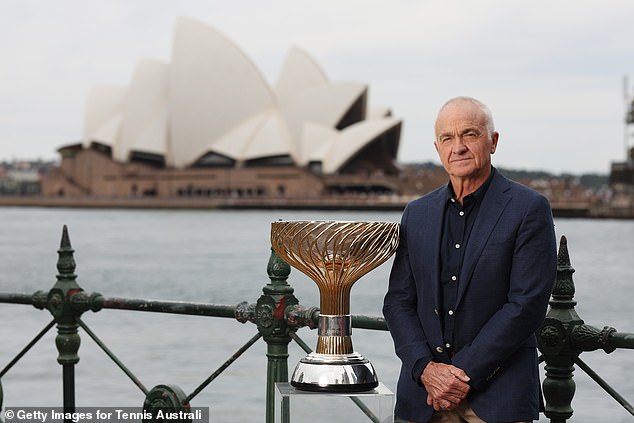
Wally Masur credited Anderson with teaching him what it meant to be a professional on the tour. “I first met Mal when he took 10 youngsters on a satellite circuit around country NSW in about 1979.”
“If you were out of the tournament he made you run at 6.30am, punishing runs that usually brought up the contents of my stomach. He did every one of those runs with us and did them easily. Then it was four or five hours on the practice court, and he hit for every minute of those hours. Never a critical word, just encouragement and he was with you every step of the way.”
“I’ll leave it to his peers to judge where he sits in the pantheon of Australian tennis greats, but what a gentleman and an inspiration he was to a young player trying to make the tour.”
During his life, Anderson described himself as ‘addicted.’ His passion for tennis and his dedication to the sport were evident throughout his career. His legacy continues to inspire generations of players and fans alike.