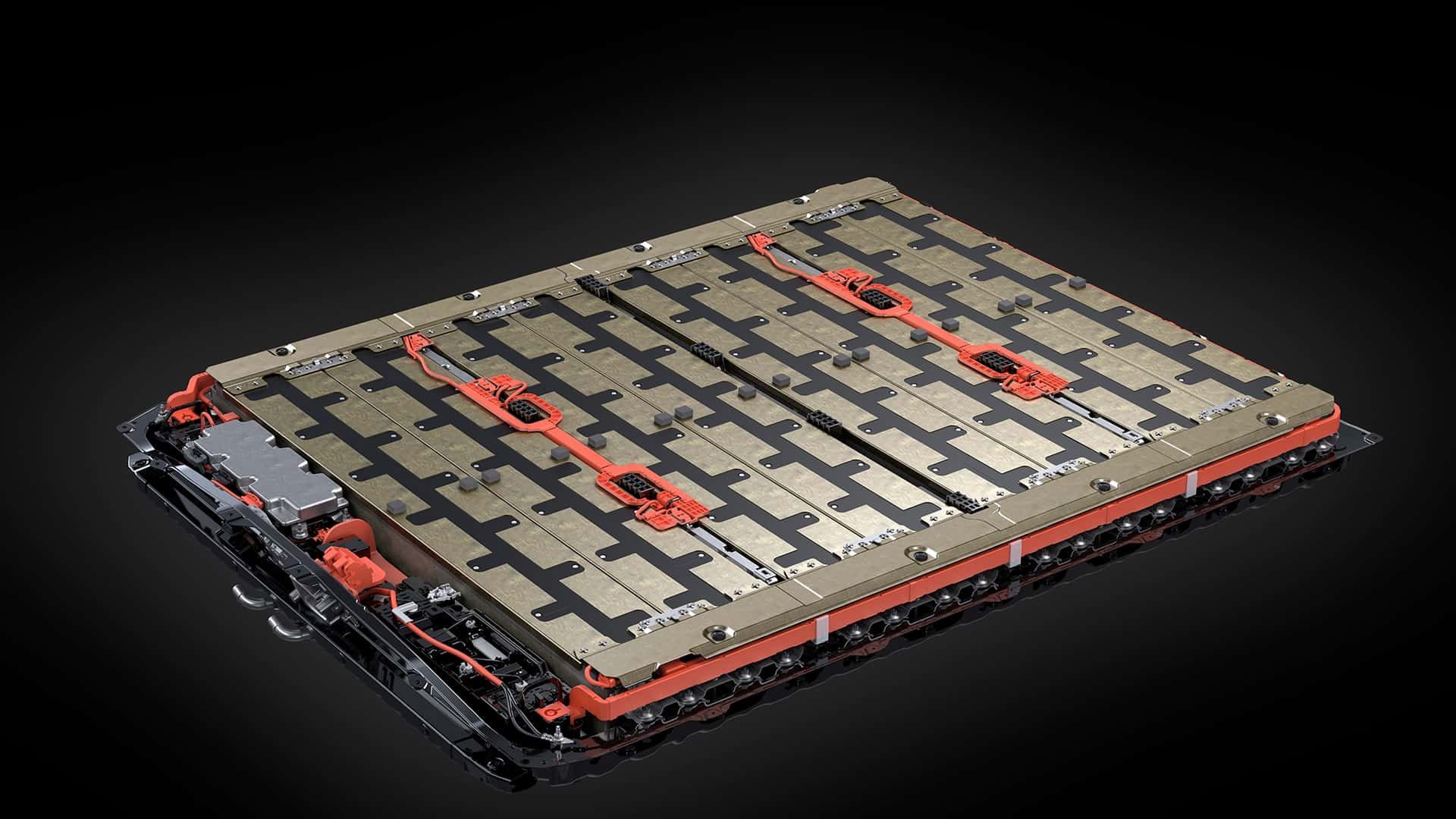
A new AI-powered battery management system has the potential to significantly extend the life of electric vehicle (EV) batteries, offering drivers thousands of additional miles. This breakthrough could change how we think about EV ownership and charging habits.
Frequent fast charging is known to accelerate the aging process of lithium-ion batteries. However, researchers in Sweden have discovered a way to use artificial intelligence to slow this degradation, potentially revolutionizing the industry if commercialized.
Artificial intelligence is already becoming a key component in modern vehicles, from autonomous driving systems to voice assistants. Now, a new study suggests that AI can also play a crucial role in extending the lifespan of EV batteries by reducing wear and tear.
Researchers at the Swedish Chalmers University of Technology have developed an AI-based charging method that optimizes current during fast-charging cycles. According to their findings published in the academic journal IEEE, this approach can extend the battery’s life by as much as 23%.
This improvement is significant, representing nearly a quarter of the battery’s lifespan. For example, a Tesla battery can last between 300,000 and 500,000 miles depending on usage and charging patterns. A 23% increase would mean up to 70,000 extra miles on the lower end and over 100,000 more miles on the higher end. This could translate to several more years of usable range for drivers.
The researchers frame their findings in terms of the number of charge/discharge cycles an EV can handle. They stated in their study: “This work introduces the first explicit formulation of a lifelong battery fast charging problem. The proposed method achieves a significant improvement in performance, where battery lifespan is extended to 703 equivalent full cycles… representing a 22.9% improvement over the standard baseline.”
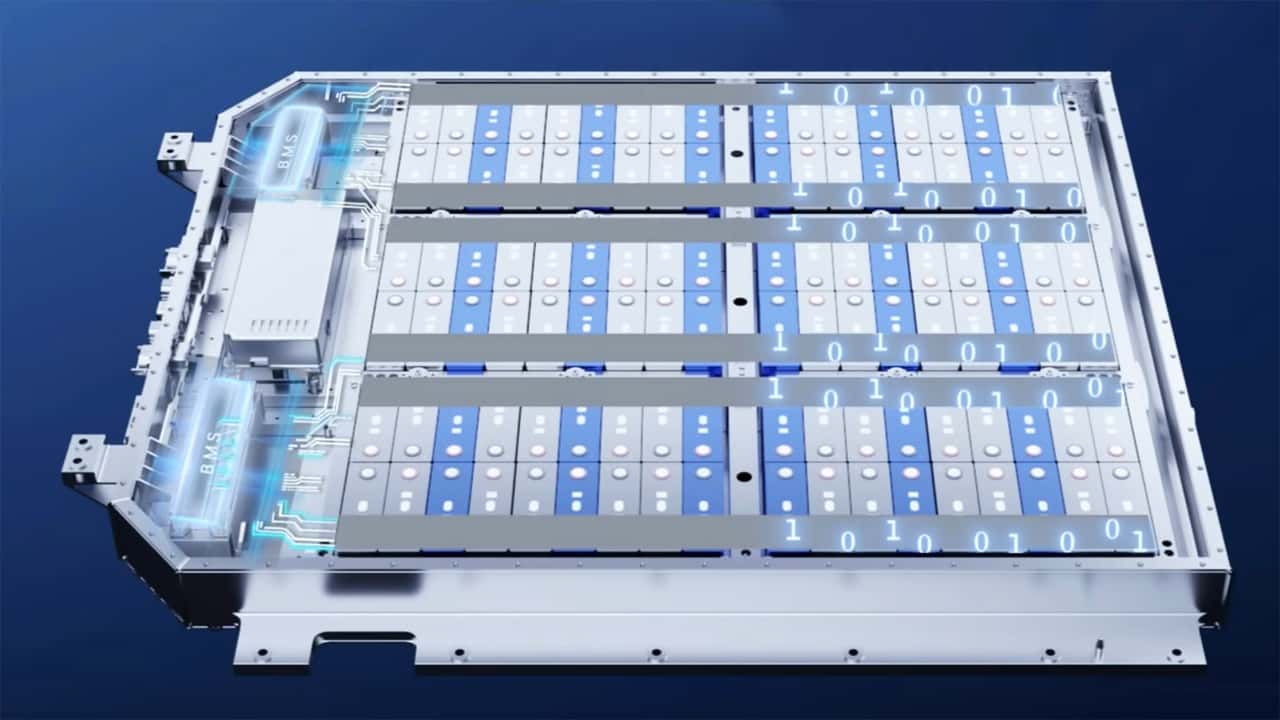
While modern EV batteries are designed to last for many years without significant degradation, frequent fast-charging can still cause damage. High-powered charging can stress internal components, leading to issues like lithium plating, where ions build up on the anode, causing degradation. The AI-powered battery management system (BMS) aims to prevent this.
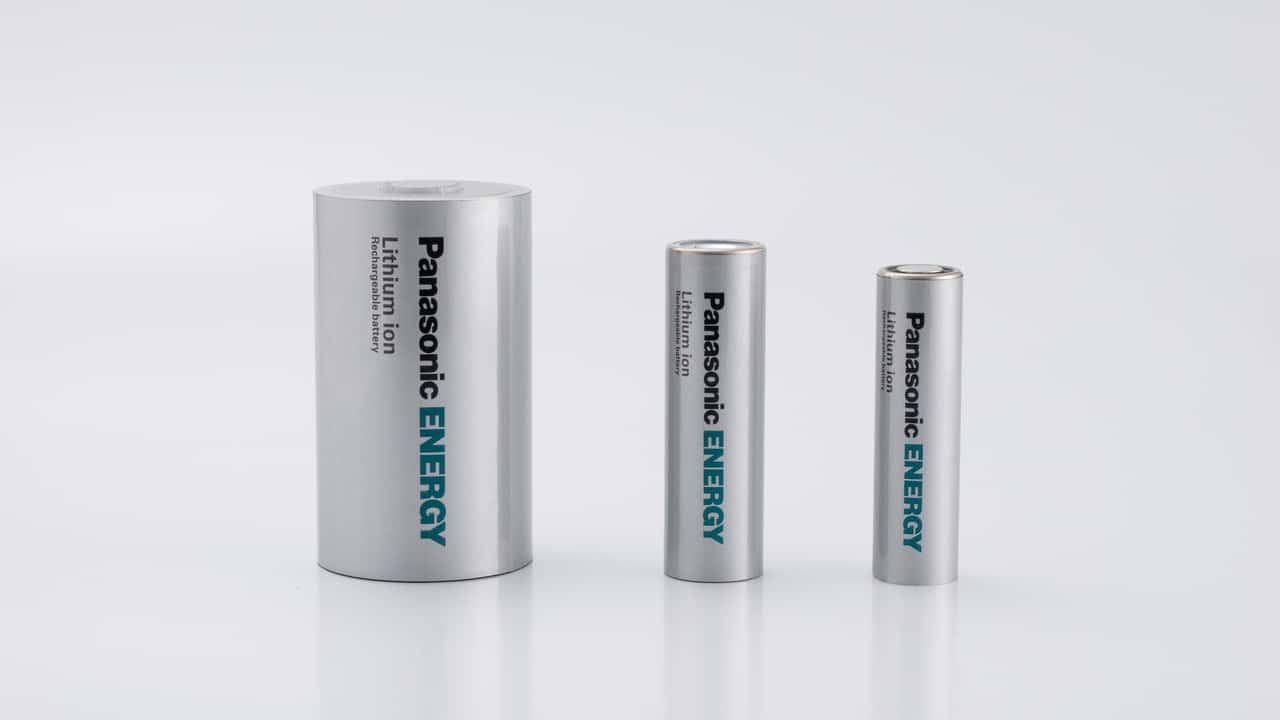
The Chalmers researchers used a technique called “reinforcement learning” within the BMS. This machine learning method allows systems to learn through trial and error to achieve the best results. In the context of EV batteries, it means adjusting the current based on the pack’s chemistry and state of health during fast-charging cycles. As the battery ages, the AI adapts the voltage to protect critical components like the anode, cathode, and electrolyte.
According to the Federal Highway Administration, Americans drive about 13,476 miles each year on average. For drivers who rely heavily on fast-charging, this new AI-enabled charging method could allow them to keep their EVs for several more years. This not only benefits their wallets but also supports environmental goals by reducing the need for new batteries and lowering the carbon footprint associated with manufacturing.
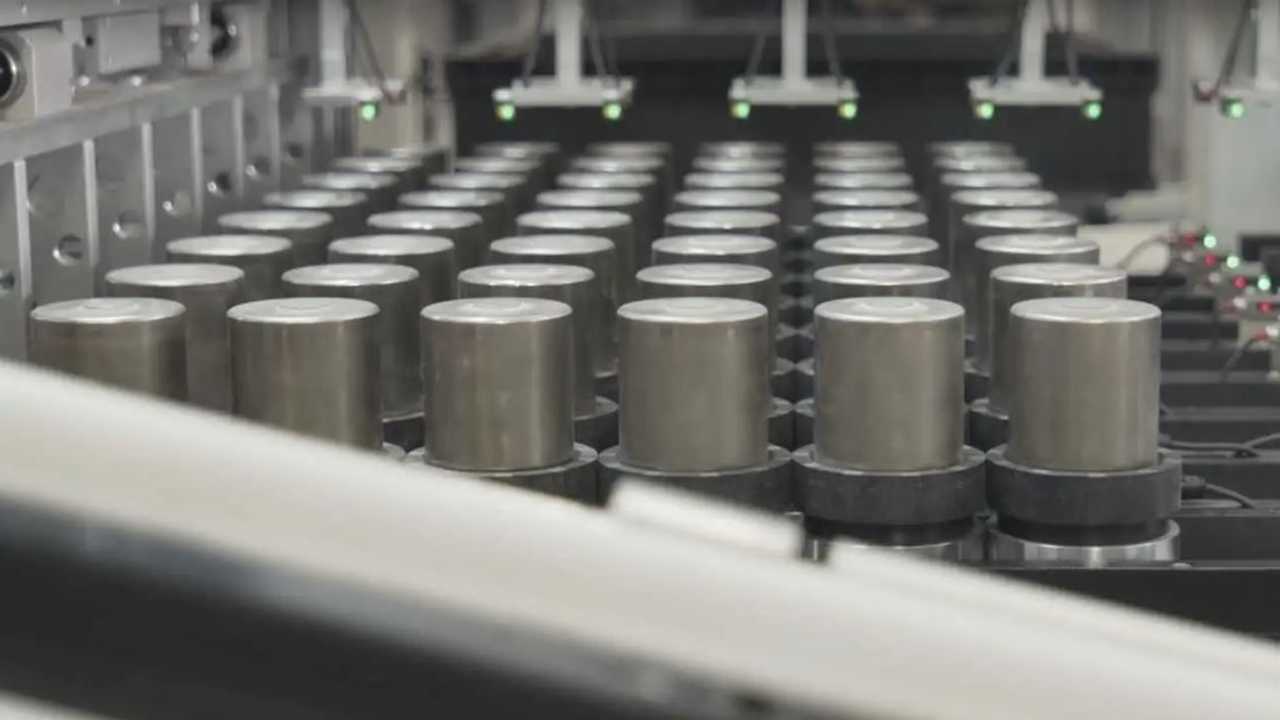
However, it’s important to note that this experiment was conducted in a controlled lab environment, not on real-world batteries. If proven effective in actual conditions, it could have a lasting impact on battery warranties, the used EV market, and industry perceptions of long-term battery health. The researchers also claim their method doesn’t just slow down charging to preserve battery life.
“The proposed approach maintains comparable charging efficiency while largely extending battery lifespan, demonstrating that lifespan enhancement can be achieved without compromising charging speed,” the authors of the study said.
This innovation highlights the growing role of AI in shaping the future of transportation. As technology continues to evolve, we may see even more advancements that make EVs more efficient, sustainable, and user-friendly.