Public spaces like stadiums and shopping centres are set to become more secure against terror attacks with the introduction of a new technology. This innovation, known as the blast prediction tool, is designed to forecast the extent of damage an explosion could cause in public buildings and transport hubs. Researchers from the University of Sheffield have developed this tool, which could save lives by providing critical insights into potential threats.
The technology may also play a role in safety assessments following the implementation of Martyn’s Law. This legislation was introduced after the tragic Manchester Arena bombing in 2017, which resulted in 22 deaths and over 1,000 injuries. The law aims to enhance security measures at public venues to better protect people from terrorism.
University of Sheffield engineers, who created the blast prediction tool, believe it can be used to develop materials that could be placed around explosives to reduce their impact. According to the researchers, the tool is more accurate and faster than current methods used by government agencies to assess bomb damage.

The findings of the research were published in the journal Process Safety and Environmental Protection. The study highlights how the tool can predict both structural damage and injuries caused by a bomb blast. The team suggests that this technology could help design buildings and infrastructure that are better equipped to withstand explosions, thereby reducing harm to people nearby.
In response to recent bomb attacks, engineers and government agencies have been actively seeking tools that can quickly predict and potentially prevent casualties. The Sheffield team explained that one of the key aspects of their work is predicting the pressure generated by a blast in confined spaces. In such environments, blast waves can reflect off walls and other objects, increasing the magnitude and duration of the blast.
Martyn’s Law, also known as the Terrorism (Protection of Premises) Act, was passed last year to improve public safety from terrorism. Named after Manchester Arena bombing victim Martyn Hett, the law requires certain public premises and events to be prepared for potential attacks.
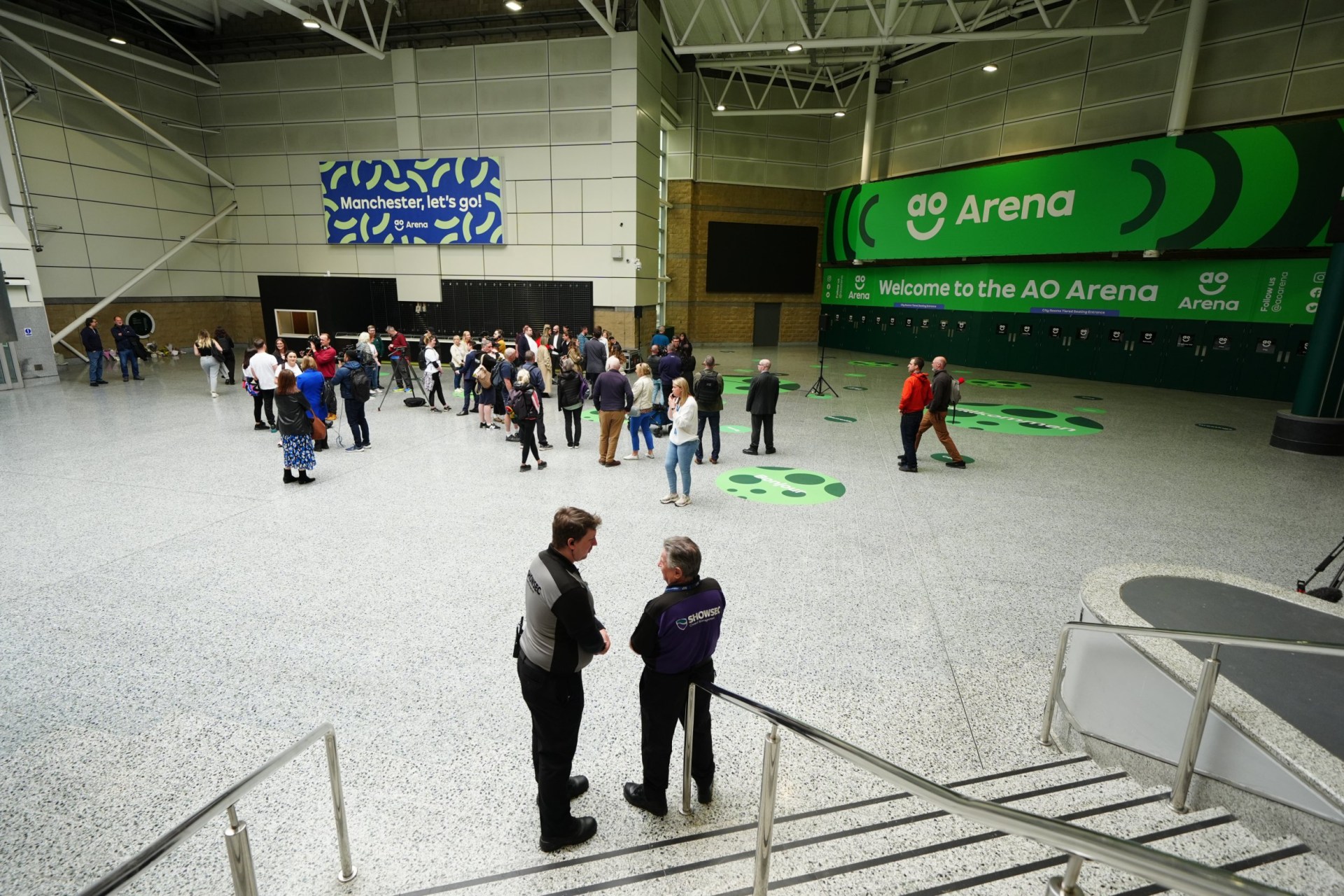
The new model allows for the rapid assessment of multiple scenarios, even when the exact mass or composition of the explosive is unknown. Sheffield engineers are collaborating with the Steel Construction Institute (SCI) to integrate the model into their EMBlast software, which is widely used in the industry for predicting blast effects on buildings.
Dr Andrew Barr stated, “Explosions inside buildings can be far more destructive than those in open air. When high-pressure shockwaves hit walls and other obstacles, they bounce back and interact, creating a sustained pressure that can cause severe injuries and major structural damage.”
He added, “Engineers assessing these threats have typically relied on look-up charts developed decades ago for TNT explosions. These methods are fast, but they can’t be easily adapted to other explosive types or scenarios. Our new predictive tool simulates the mechanical, thermal and chemical processes behind this dangerous pressure build-up, giving engineers and safety specialists a more accurate picture of the potential consequences of an explosion.”
Dr Dain Farrimond noted, “We hope to use this knowledge to help develop materials that can be placed around explosives to safely reduce their destructive energy. We would then also be able to model the blast-reducing effects of these materials by adapting the predictive tool, further assisting quick decision-making by engineers and government agencies.”