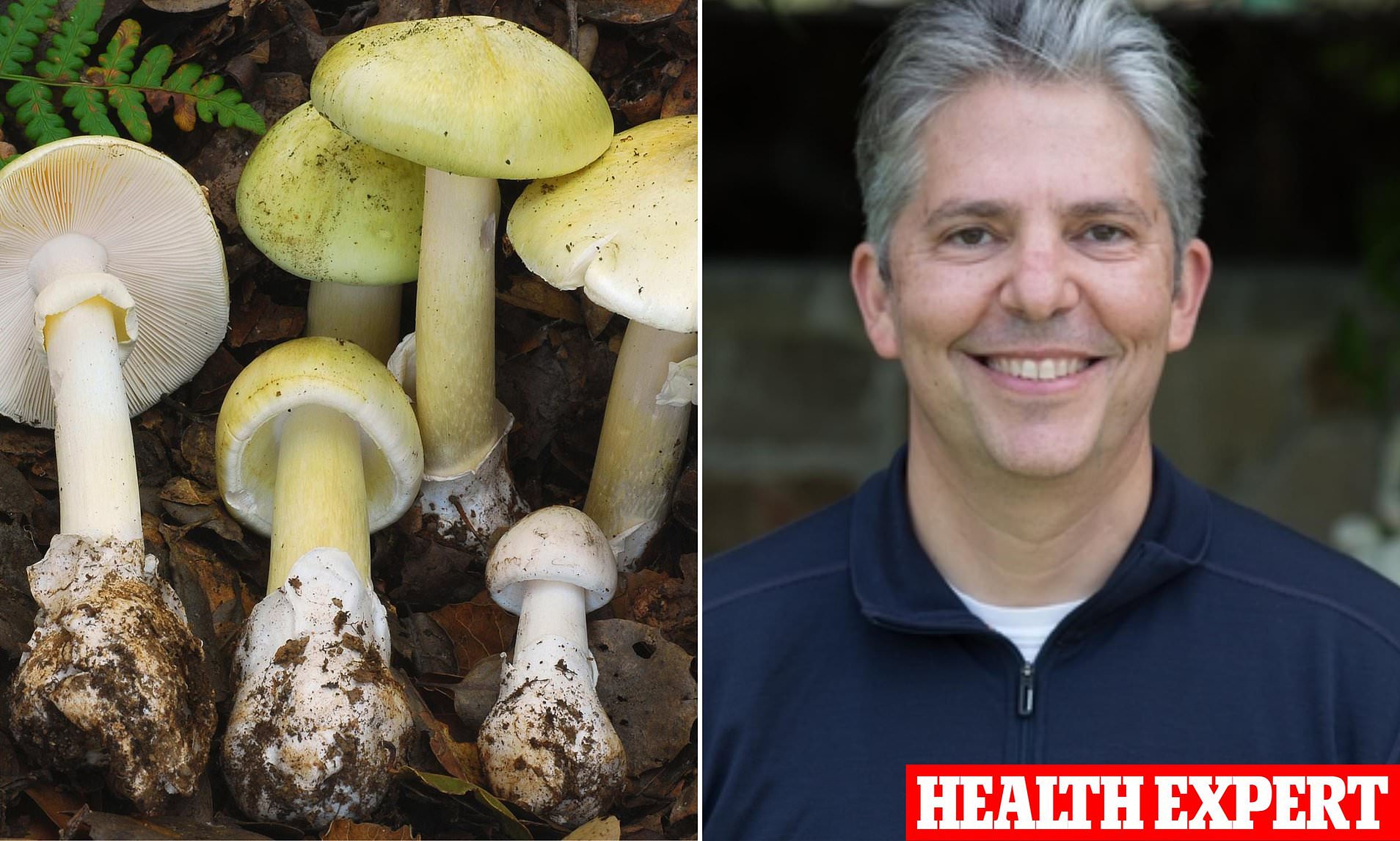
California Faces Unprecedented Mushroom Poisoning Outbreak
California is currently facing an ‘unprecedented outbreak’ of mushroom poisonings, with health officials expressing concern over the number of cases linked to the consumption of wild, poisonous mushrooms. The situation has been particularly alarming as it appears that some individuals, including tourists, are foraging and consuming these fungi without proper knowledge or caution.
According to the California Department of Public Health, there have been 47 cases of severe illness, including four deaths, associated with the consumption of poisonous wild mushrooms since November 18. This has led to increased scrutiny and warnings from public health authorities across the state.
Napa County Reports Hospitalizations
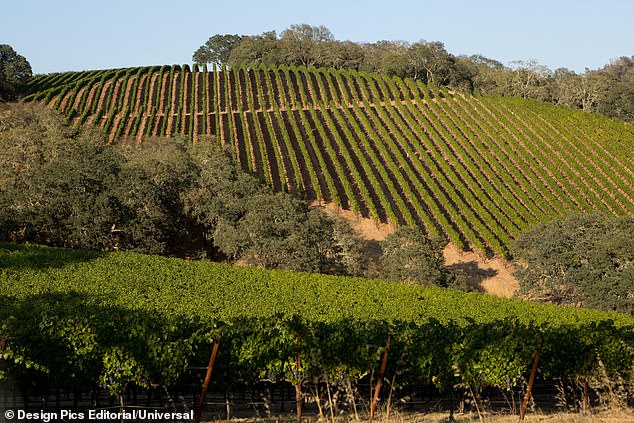
On Tuesday, Napa County officials reported that three adults, who were not residents of the area, were hospitalized after eating poisonous wild mushrooms foraged in the Deer Park area. Dr Christine Wu, Napa County Public Health Officer, stated in a statement that recent rains have contributed to the resurgence of poisonous wild mushrooms in California, including in Napa.
“Poisonous mushrooms can look and taste similar to safe mushrooms, and even experienced mushroom hunters have been affected by this outbreak,” she said.
Language and Tourist Involvement
Data from the state health department indicated that a majority of the people poisoned identified Spanish as their preferred language, leading experts to believe that tourists are foraging the dangerous mushrooms. Craig Smollin, medical director of the San Francisco Division of the California Poison Control System, explained that people who have foraged in other parts of the world may not be aware of the different types of mushrooms found in California.
“It’s not uncommon for people who have foraged in other parts of the world successfully to come to a new place where there’s different types of mushrooms around it or something that looks like something that was edible before but really isn’t,” he said.

Widespread Impact Across Counties
The cities and counties with hospitalizations include Alameda, Contra Costa, Humboldt, Monterey, San Francisco, San Luis Obispo, San Mateo, Sacramento, Santa Clara, Santa Cruz, Sonoma, and Yuba. These cases are part of a mushroom poisoning outbreak that began in November and is continuing for longer than usual. It is also unusually large and widespread, according to Smollin.
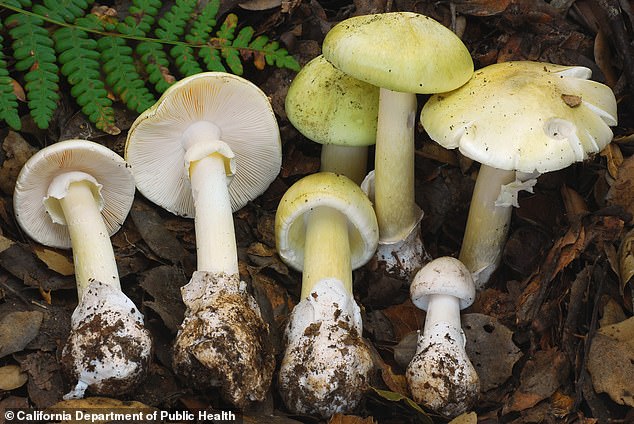
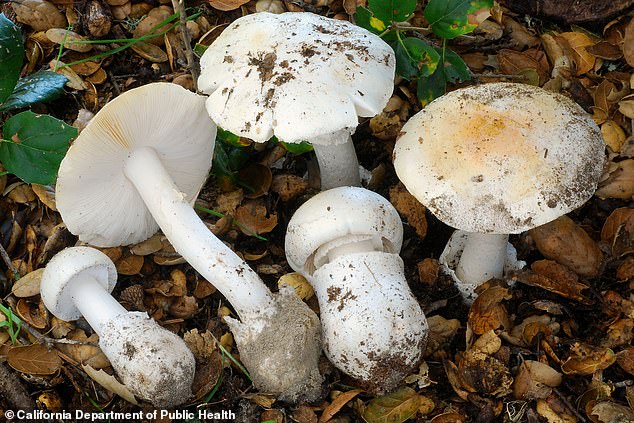
In January, Contra Costa County officials told SFGATE that a Hispanic man in his 60s was the latest to die from wild mushroom poisoning. The state health department identified Death Cap and Western Destroying Angel mushrooms as the poisonous fungi being harvested.
Risks and Misidentification
The California Department of Public Health warned that poisonous mushrooms can look and taste similar to safe mushrooms. Some may resemble mushrooms that you can buy in a grocery store. “Newly arrived persons to California who are accustomed to foraging in their home country may mistake poisonous mushrooms in California for safe mushrooms foraged or cultivated in their native country,” the department said.
Smollin emphasized the importance of caution when foraging. “When you go into the wild and decide to forage, you’re taking a risk. And unless you have really a lot of experience, the risk is that you could pick a mushroom that could change your life forever.”
Severe Consequences
“Ending up with a liver transplant is a life-changing event. Medications for the rest of your life, you have gone through a huge surgery, it’s a big deal,” he added.
Safety Recommendations
The California Department of Public Health has advised that the best way to stay safe is to not eat wild mushrooms. Cooking, boiling, freezing, or drying poisonous mushrooms does not make them safe to eat, the department noted. Symptoms may not appear until 6 to 24 hours after eating a poisonous mushroom, and even mild symptoms can be the beginning of a more severe reaction.