The Challenges of Traditional Lawns
Lawns can be quite demanding, and not everyone finds them visually appealing. Many people are now turning to native gardens as a more sustainable and cost-effective alternative. According to horticulturist Helen Tuton, who works with the Southern Metropolitan Cemeteries Trust in Melbourne/Naarm and has previously been involved with Gardening Australia, lawns are often described as “high input with low output.” They require significant time, patience, equipment, and effort for a fairly modest outcome—essentially a green space that is heavily influenced by European aesthetics.
Removing Your Lawn
If you’re considering replacing your lawn with a native garden, there are several methods you can use to remove it:
- Herbicide: This is a quick and easy method, but it’s important to consider the environmental impact and follow safety guidelines carefully.
- Physical Removal: You can cut out the lawn and remove the seeds and stolons manually. This method requires more effort but is more environmentally friendly.
- Smothering: Laying overlapping cardboard and covering it with mulch is a cost-effective and straightforward approach. The grass will die faster in warmer months or within a month or two during winter.
When to Start Planting
Aboriginal horticulturist Brenden Moore, from Taree on Darkinjung Country, suggests that you don’t have to wait for the grass to die completely before planting native species if you use the smothering method. He recommends the “pocket planting method,” where you move the mulch aside, break apart the cardboard, and dig up some grass and soil underneath. Then, place the plant in the pocket and add extra soil, slow-release fertiliser, and native compost into the hole.
Mr Moore also advises planting just before or after winter to allow the root system to grow and establish itself properly.
Before starting, he recommends planning what you want to plant and mapping it out to ensure a well-structured garden.
Choosing the Right Plants
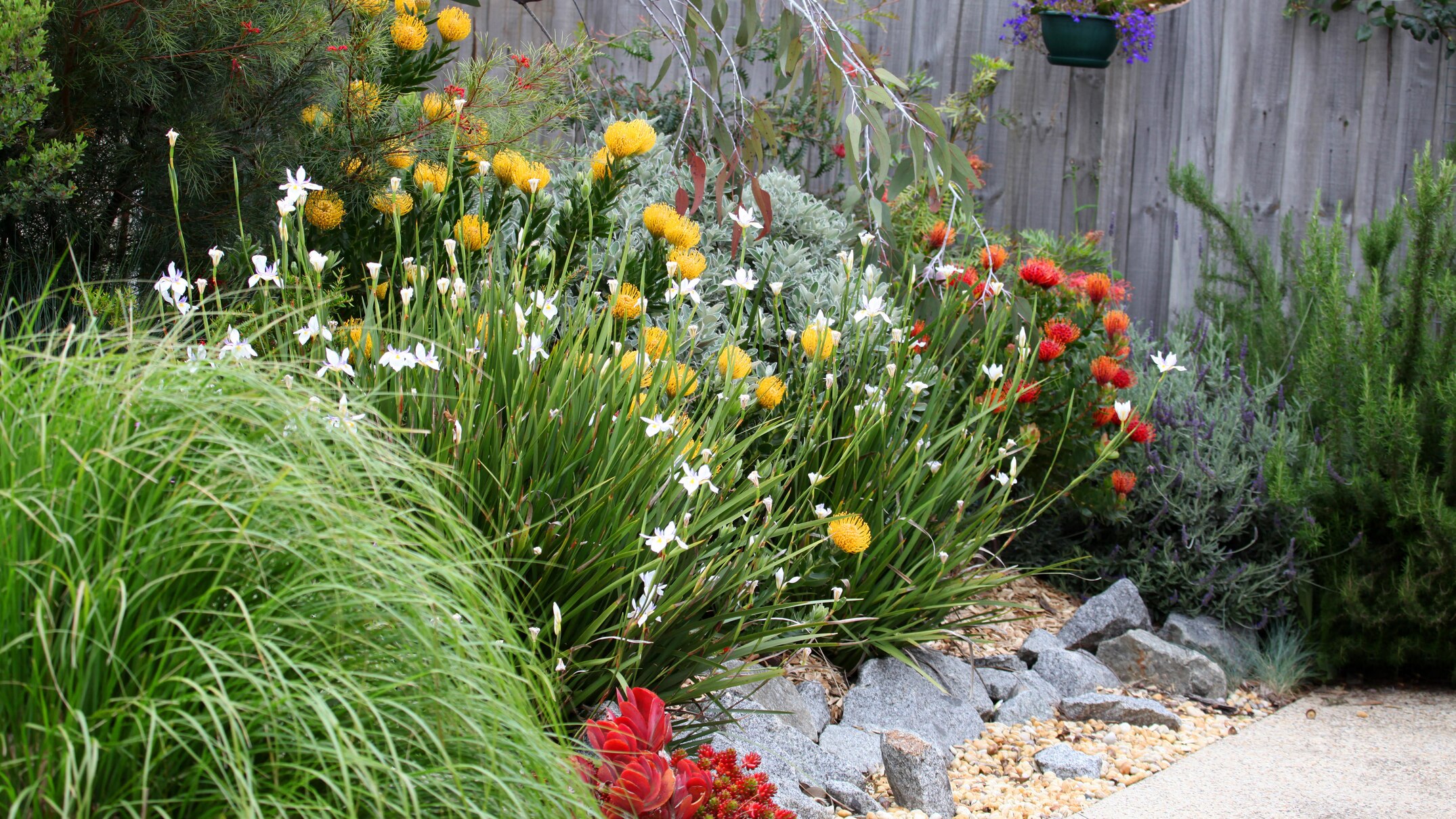
When selecting plants for your native garden, Mr Moore suggests a mix of medicinal, edible, and toolmaking species. For example, Acacia (wattles) can be used for making hardwood tools. He also emphasizes the importance of visual appeal, suggesting that plants should look good and complement each other.
Pollinators play a crucial role in attracting birds, wildlife, and insects to your garden. The choice of plants will depend on your location. Some suggestions from Mr Moore include:
- Corymbia ficifolia (Western Australian red flowering gum)
- Native mint bush or river mint
- Saltbush
- Lomandra
- Dianella
- Banksia “birthday candles”
- Snake vines
Mr Moore prefers planting native plants close together so they can communicate above and below ground. If you wish to include introduced species like a mandarin orange tree, he notes that native plants can help protect the tree from pests and diseases.
Seeking Expert Advice
If you’re unsure where to start, Ms Tuton recommends visiting a local nursery that specialises in indigenous plants. These nurseries can provide plants that are native to your area, which are likely to thrive best. Your local council may also have lists of regionally appropriate plants.
She advises choosing a mix of plants that will flower throughout the year to avoid having only one season of blooms. Ms Tuton highlights that many Australian native plants flower in winter and are valuable for supporting wildlife during that time.
Creating Sustainable Pathways
To make it easier to walk through your native garden, consider sustainable pathway options. Mr Moore loves walking on woodchip, as it creates a natural space for insects and birds. A thick layer of organic mulch is affordable, simple, and easy to maintain.
For those who need a more stable path, such as for moving bins, crushed rock or granitic sand can be used. These materials are permeable, allowing water to pass through. Pavers can also be integrated with ground cover to create an attractive and functional pathway.
Planning and Patience
Creating a native garden is a work in progress, according to Mr Moore. He is always thinking about what he can add to his garden and what is working well. Most maintenance involves adding mulch around the garden and applying slow-release fertiliser at the end of winter.
While the results may not be immediately visible, Ms Tuton notes that the biodiversity benefits of your transformation will become apparent over time. She encourages people to think about how their garden behaves through different seasons and to plan accordingly. It’s about trial and error, patience, and understanding the needs of your garden.