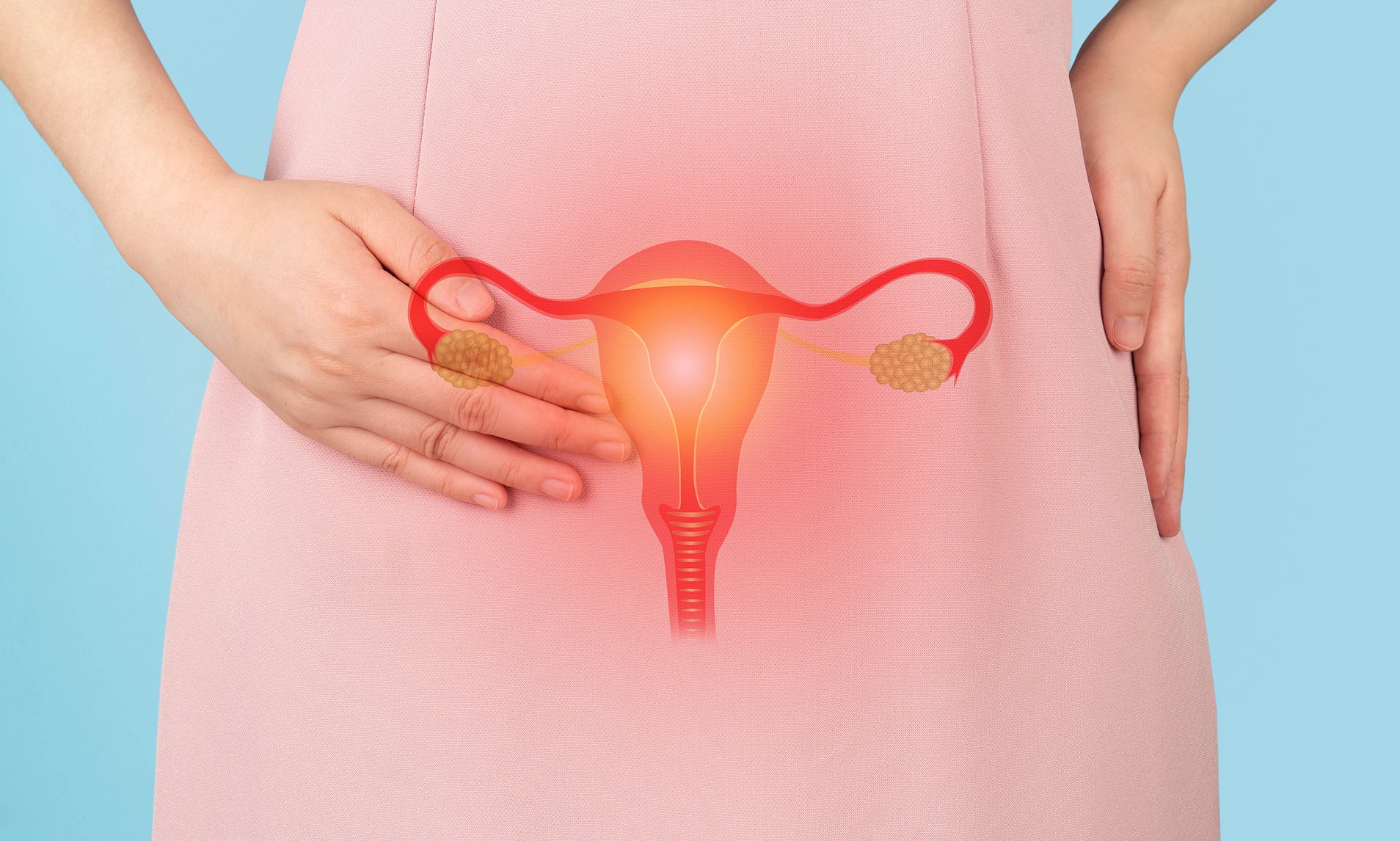
Understanding Ovarian Cancer
Ovarian cancer is often referred to as a ‘silent killer’ due to its subtle and easily overlooked symptoms. It has become one of the eleven cancers on the rise, with an increasing number of young women being affected. While the exact reasons for this surge are still under study, experts from Imperial College London suggest that rising obesity rates and smoking could be contributing factors.
In the UK, ovarian cancer is one of the most common cancers, with approximately 7,700 new cases diagnosed each year. It is also among the deadliest forms of cancer, with only 40% of women surviving for ten or more years after diagnosis. Around 4,000 deaths occur annually in the UK, primarily because the disease is usually detected at a late stage, making treatment more challenging.
The early symptoms of ovarian cancer can be vague and often mistaken for other less severe conditions. This makes it crucial for every woman to be aware of the classic warning signs and not to ignore them. 
What is Ovarian Cancer?
Ovarian cancer occurs when abnormal cells in the ovaries or fallopian tubes grow and divide, forming a tumour. If left undetected, these cancer cells can spread to other parts of the body, making treatment more difficult. The ovaries are two glands located deep within the pelvis, playing a key role in the menstrual cycle and fertility by producing hormones such as oestrogen and progesterone.
Due to their position, the symptoms of ovarian cancer can often be mistaken for gastrointestinal issues like irritable bowel syndrome, bloating, or urinary tract infections (UTIs).
Types of Ovarian Cancer
There are several types of ovarian cancer, depending on where the disease originates in the female reproductive system:
- Epithelial ovarian cancer: This is the most common type, accounting for around 90% of cases. It develops on the surface of the ovary and includes cancer of the fallopian tube.
- Germ cell cancers: These are rare and typically affect younger women in their twenties and thirties. They originate in the cells that develop into eggs.
- Sex cord stromal tumours: These account for about 5% of cases and begin in the tissue that supports the ovaries and produces hormones.
Early Warning Signs
Research indicates that ovarian cancer symptoms may appear earlier than previously thought. Experts at Imperial College London found that women diagnosed with the disease often used painkillers and over-the-counter treatments for bloating up to eight months before diagnosis.
Persistent Bloating
Bloating is a common symptom, but in the case of ovarian cancer, it tends to be persistent and not linked to specific foods. If bloating occurs frequently or does not improve, it should be noted. In advanced stages, bloating can cause visible swelling of the abdomen, sometimes mistaken for pregnancy.
Irregular Bleeding
Understanding what is normal for your body is essential. Spotting or bleeding between periods can be an overlooked early warning sign, especially if it is unusual for you. When combined with other symptoms like persistent bloating, it should be discussed with a GP.
Increased Urination
Needing to urinate more frequently can be caused by various factors, including UTIs, diabetes, or lifestyle choices. However, it can also be a sign of ovarian cancer, as tumours may press against the bladder, reducing its capacity.
Feeling Full Quickly
Feeling full after eating small amounts of food is another symptom that can be subtle. This can happen when tumours press against the stomach and digestive organs, reducing their capacity. While it can also be caused by other issues, it should not be ignored.
Persistent Abdominal Pain
Ongoing discomfort or pain in the lower abdomen or pelvic area can be mistaken for period pain. However, it can also result from ovarian cancer, especially as tumours grow and fluid builds up.
Cancers on the Rise in Young People
Some cancers have been increasing in young people, including:
- Breast
- Bowel
- Thyroid
- Ovary
- Womb
- Kidney
- Oral
- Multiple myeloma
- Pancreatic
- Liver
- Gallbladder
When to See a Doctor
While these symptoms do not necessarily mean cancer, patterns are important. Symptoms that are new, frequent, or worsening should always be assessed. Dr Maula advises that waiting until symptoms become severe is not advisable, as early changes offer the best chance of identifying problems.
How to Minimise Your Risk
Most cancers become more common with age, and ovarian cancer is no exception. The risk increases sharply at around 45 years old. Factors such as starting menstruation early, going through menopause late, or not having children can increase the risk.
Lifestyle factors such as maintaining a healthy weight, not smoking, and avoiding asbestos can help reduce the risk. Taking the combined contraceptive pill and having children are also associated with a lower risk.
The Need for Screening
Currently, there is no national screening programme for ovarian cancer. Diagnosis typically involves scans and biopsies. However, researchers in the UK and US are developing a blood test to detect early-stage ovarian cancer by identifying what it sheds into the bloodstream. This could lead to better patient outcomes and reduced healthcare costs.