Federal Government Responds to Diphtheria Outbreak
The federal government has taken significant steps to address a diphtheria outbreak that has spread across multiple states, announcing a multi-million dollar initiative to increase vaccine availability and support the workforce responsible for their distribution. This move comes as the country faces its largest diphtheria outbreak since records began.
Once nearly eradicated, diphtheria has now seen approximately 230 reported cases this year in Australia, with a likely death linked to the disease—marking the first fatality from the illness in almost a decade. The majority of these cases are concentrated in the Northern Territory, but the outbreak is also affecting Western Australia, South Australia, and Queensland.
The $7.2 million funding package will be used to support the National Critical Care and Trauma Response Centre by providing a surge workforce to administer booster vaccinations and treatments. It will also cover the procurement of additional vaccines and antibiotics.
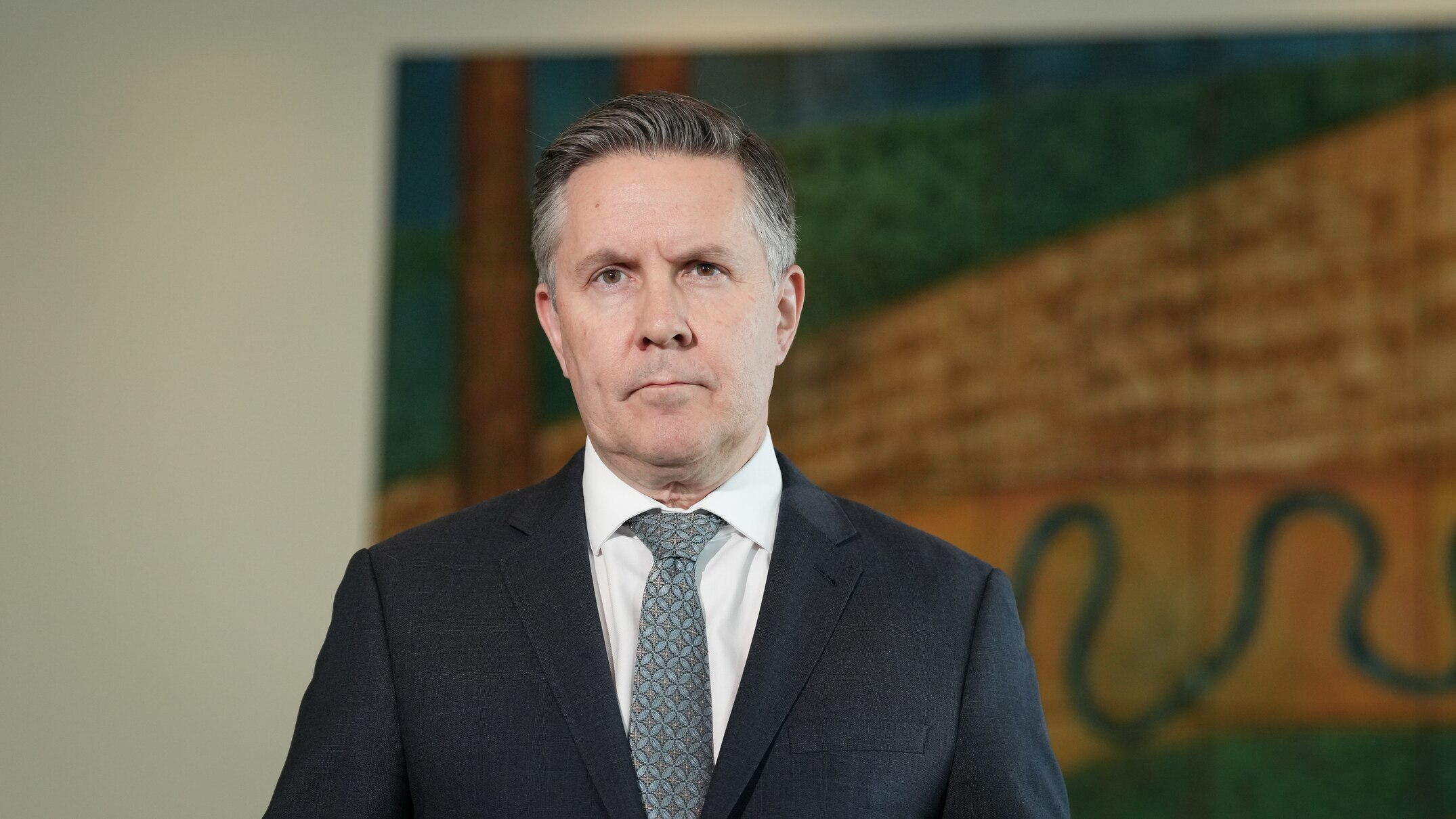
Federal Health Minister Mark Butler emphasized that while the package is primarily focused on the Northern Territory, he plans to reach out to other affected states to assess whether they require Commonwealth assistance. “This is a very serious outbreak of a very serious disease,” he stated. “It’s important we control it, but it’s also crucial that people get vaccinated in affected areas as quickly as possible because vaccination is the most effective way to protect yourself and those around you.”
Diphtheria is a life-threatening and highly contagious bacterial infection that can affect the nose, throat, airways, or skin. It spreads through respiratory droplets from coughing or sneezing, or direct contact with infected wounds. Vaccination is considered one of the best ways to prevent the disease, with a consistent schedule of primary doses and booster shots recommended.
The support package aims to address declining vaccination rates, which have reached their lowest level in five years in 2025. Mr. Butler noted that the outbreak is mainly affecting adults, though the exact cause of the recent rise in cases remains unclear. He pointed to a global decline in vaccination rates since the pandemic as a potential contributing factor.
Raina MacIntyre, head of the biosecurity program at the Kirby Institute, highlighted falling vaccination rates due to misinformation as a “fundamental problem.” She explained that missing booster doses or weakened immunity in fully vaccinated individuals could explain the occurrence of diphtheria in vaccinated people.
The Australian Centre for Disease Control (CDC) stated that unvaccinated individuals or those who received their last dose more than 10 years ago are at greater risk of severe illness from the disease.
NSW Launches Targeted Vaccine Program
Part of the federal government’s package will also support the National Aboriginal Community Controlled Health Organisations (NACCHO) in providing community liaison and on-the-ground public health supports. Most of the recorded cases have been in remote Aboriginal communities.
Megan Campbell, NACCHO Medical Advisor, said efforts to contain the outbreak have been complicated by workforce shortages, low vaccination rates, and logistical challenges in reaching remote communities. “This funding is much needed and essential now that how the funding is allocated and used, and all aspects of the diphtheria outbreak response are determined in true partnership with the Aboriginal community controlled health sector,” she said.
Dr. Linny Phuong, a paediatric infectious diseases physician at the Murdoch Children’s Research Institute, noted that factors such as crowded housing may also contribute to the outbreak. “We need to ensure that vulnerable populations can access healthcare and improve their social conditions so they face the same risks as everyday Australians,” she said.
In response to the outbreak, the NSW government has launched a targeted vaccination program, offering free vaccines to Aboriginal and Torres Strait Islander adults who haven’t had a dose in over 10 years. Free vaccines are already available under the National Immunisation Program for those under 20, pregnant, or refugees. A booster is recommended for teenagers aged 11 to 13 and adults at 50 and 65 if their last dose was more than 10 years ago. For those in or traveling to high-risk areas, a booster every five years is advised.