Federal Funding Supports Remote Communities in Diphtheria Outbreak
Health workers in remote Australian communities are facing immense pressure as they combat a significant diphtheria outbreak. To address the crisis, the federal government has allocated $7.2 million to support containment efforts and improve health coverage in these areas.
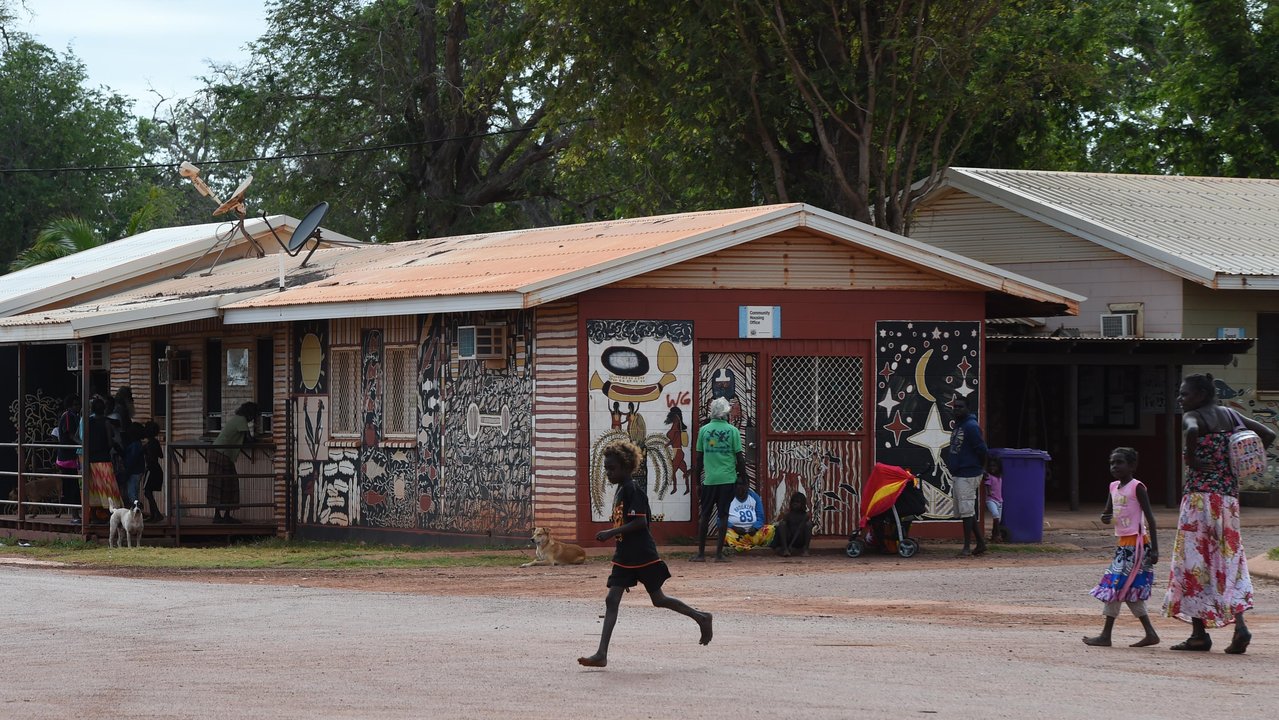
The outbreak has exposed critical shortages of healthcare professionals in remote regions, with many communities struggling to meet vaccination targets. The Australian College of Nursing welcomed the funding as a positive step forward but emphasized that long-term solutions are essential to ensure consistent health coverage across the country.
Zach Byfield, acting chief executive officer of the Australian College of Nursing, highlighted the need for secure plans to address staffing challenges in remote and regional areas. He stressed that without adequate health staff, it would be difficult to provide the necessary care during outbreaks like this one.
Rising Cases and Widespread Impact
Over 230 cases of diphtheria have been reported nationwide, predominantly in Indigenous communities. This number is about 30 times higher than the usual yearly average. In the Northern Territory alone, there have been 157 cases reported as of May 21, including 46 cases of respiratory diphtheria, which can be life-threatening.

Approximately 60% of all cases have occurred in the Northern Territory, with additional infections reported in Western Australia, South Australia, and Queensland. Almost all cases have affected Indigenous Australians, underscoring the urgent need for targeted interventions.
Funding Breakdown and Key Initiatives
The federal funding package includes several key components aimed at addressing the outbreak:
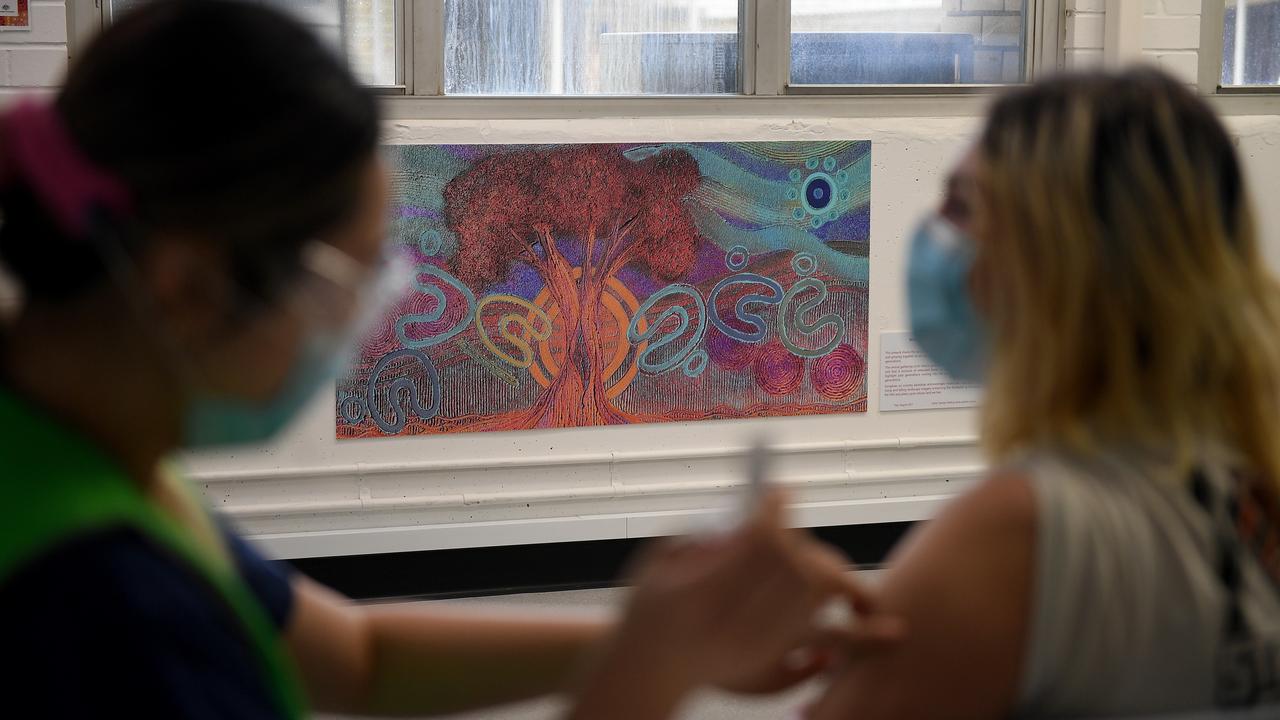
$5.2 million will be allocated to the National Critical Care and Trauma Response Centre. This funding will support the deployment of additional doctors and nurses to hard-hit communities, administer booster shots, provide treatment, and purchase more vaccines and antibiotics.
$2 million will go to national Aboriginal community-controlled health organisations. These funds will help local health services collaborate with the Aboriginal Medical Services Alliance NT and other groups to deliver clear health messages, engage community workers, and conduct daily public health activities in affected areas.

Federal Health Minister Mark Butler described the outbreak as “very serious” and emphasized the importance of increasing vaccination rates. He noted that while there are enough vaccines available, a surge in healthcare workers is needed to ensure they are administered effectively.
Challenges and Long-Term Solutions
Aboriginal Medical Services Alliance NT Chief Executive Donna Ah Chee acknowledged that the funding will provide much-needed support to clinics already under pressure. She pointed out that overcrowded housing and limited access to healthcare services can exacerbate the spread of infectious diseases.
NT Health Minister Steve Edgington said the funding would build on existing efforts to raise awareness in remote communities. He emphasized the importance of ongoing education and outreach to prevent further cases.
Understanding Diphtheria
Diphtheria often starts with symptoms similar to a severe cold but can rapidly progress to a life-threatening condition. The bacteria responsible for the disease produce toxins that can form a thick grey layer in the throat, blocking the airway and causing suffocation. Approximately a quarter of patients in the current outbreak have required hospitalization.
As the outbreak continues, the focus remains on improving health infrastructure, increasing staffing levels, and ensuring that all communities, especially those in remote areas, receive the care they need. The federal government’s investment is a crucial step, but sustained effort and long-term planning will be essential to prevent future outbreaks and protect vulnerable populations.