The Impact of Funding Cuts on Contraceptive Access in Ghana
In recent months, there has been a noticeable decrease in the availability of condoms in Ghana. According to sources, stockpiles of contraceptives are sitting in ports and not being distributed. This situation is particularly concerning as the United States President’s Emergency Plan for AIDS Relief (Pepfar) was one of the largest procurers of these essential supplies. However, funding has dried up, and no replacement has emerged to fill the gap.
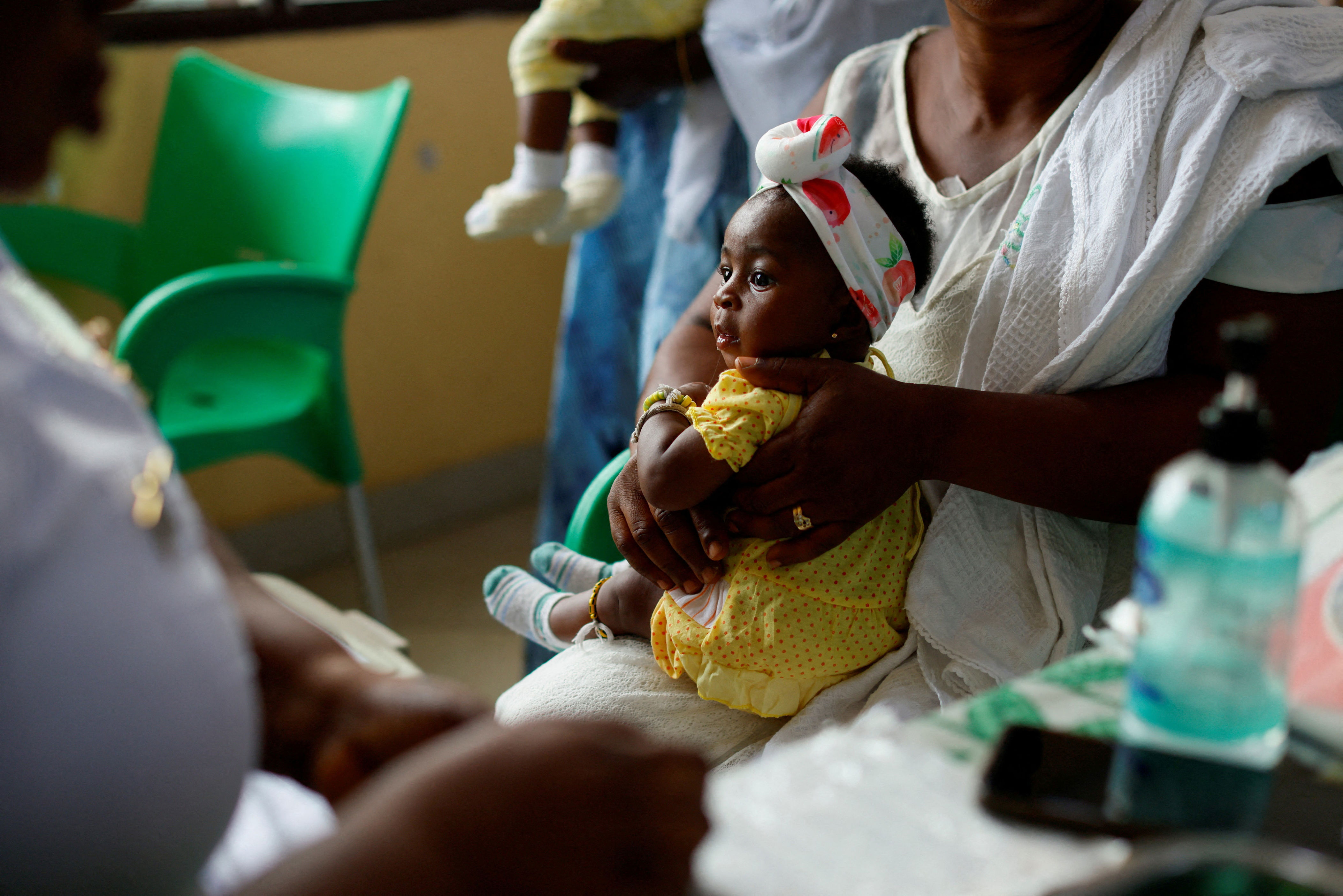
The consequences of this funding freeze are already being felt. Health workers on the ground report an increase in teenage pregnancies and adolescent sexually transmitted infections. Sarah Shaw, director of advocacy for the MSI Reproductive Choices group, notes that while the data is still emerging, there is a clear upward trend in HIV infections. “More people are presenting with HIV infections,” she says, highlighting the growing concern among those working in the field.
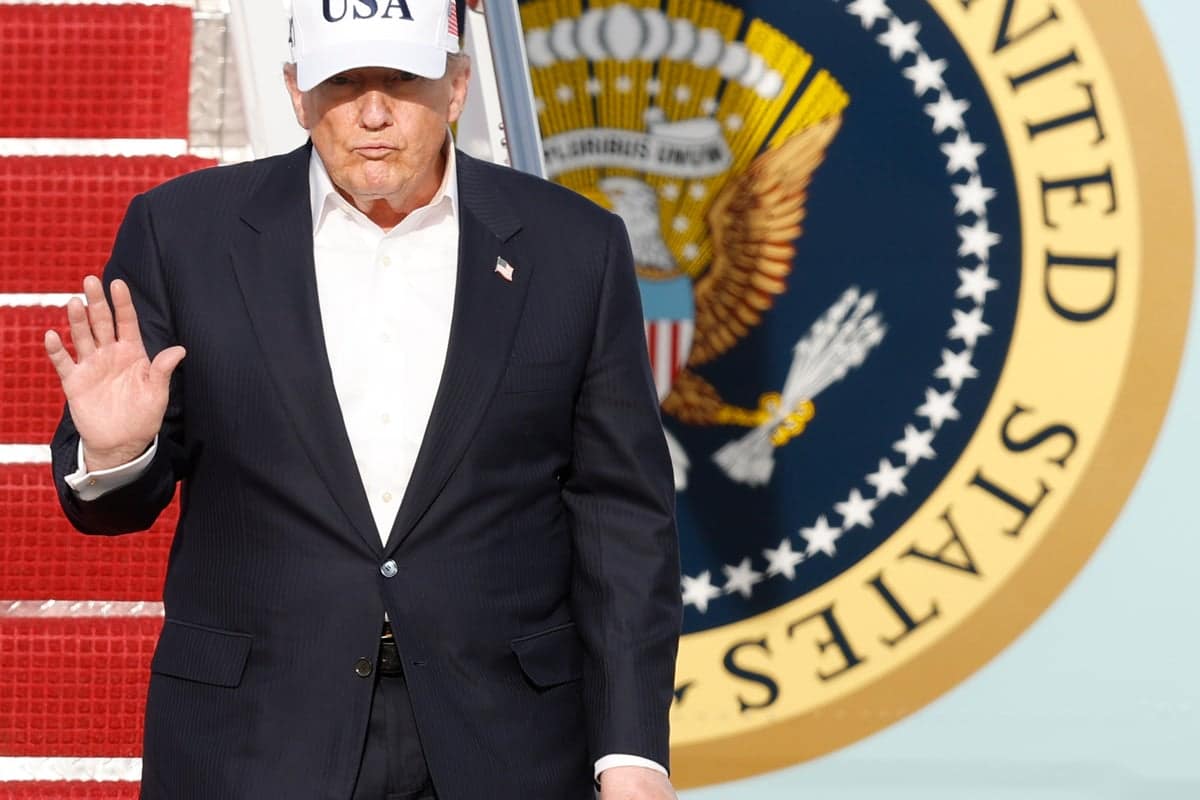
This situation exemplifies what a funding freeze looks like before headline figures catch up. Since Donald Trump returned to the White House at the beginning of last year, his administration has taken a hard stance on global health initiatives. The United States Agency for International Development (USAID) has been significantly weakened, with 90% of its reproductive health programs eliminated. Additionally, the administration withdrew from UN Women and the UN Population Fund.
Expansion of the Mexico City Policy
One of the most significant changes under the new administration is the expansion of the Mexico City Policy. Originally a longstanding rule used by Republican presidents to bar US global health funding from going to organizations that provide or discuss abortion, this policy has been rebranded and broadened in scope. The new version applies not only to family planning funding but to every dollar of US foreign aid. It also extends to US-based organizations, foreign governments, and UN agencies.
In place of USAID, the administration has been negotiating bilateral health agreements with individual countries. These deals are framed publicly as a step toward countries taking ownership of their own health financing. However, experts suggest that the financial commitments required from recipient countries are often steep.
Jennifer Kates, a senior global health policy analyst at KFF, has closely tracked these agreements. She notes that the headline figures—32 signed agreements around the world totaling $20.3 billion, including $12.8 billion from the US government—do not fully replace the amount of support previously provided. Furthermore, family planning does not appear in any of the six Memoranda of Understanding (MOUs) that have been made public.
Pushback from African Nations
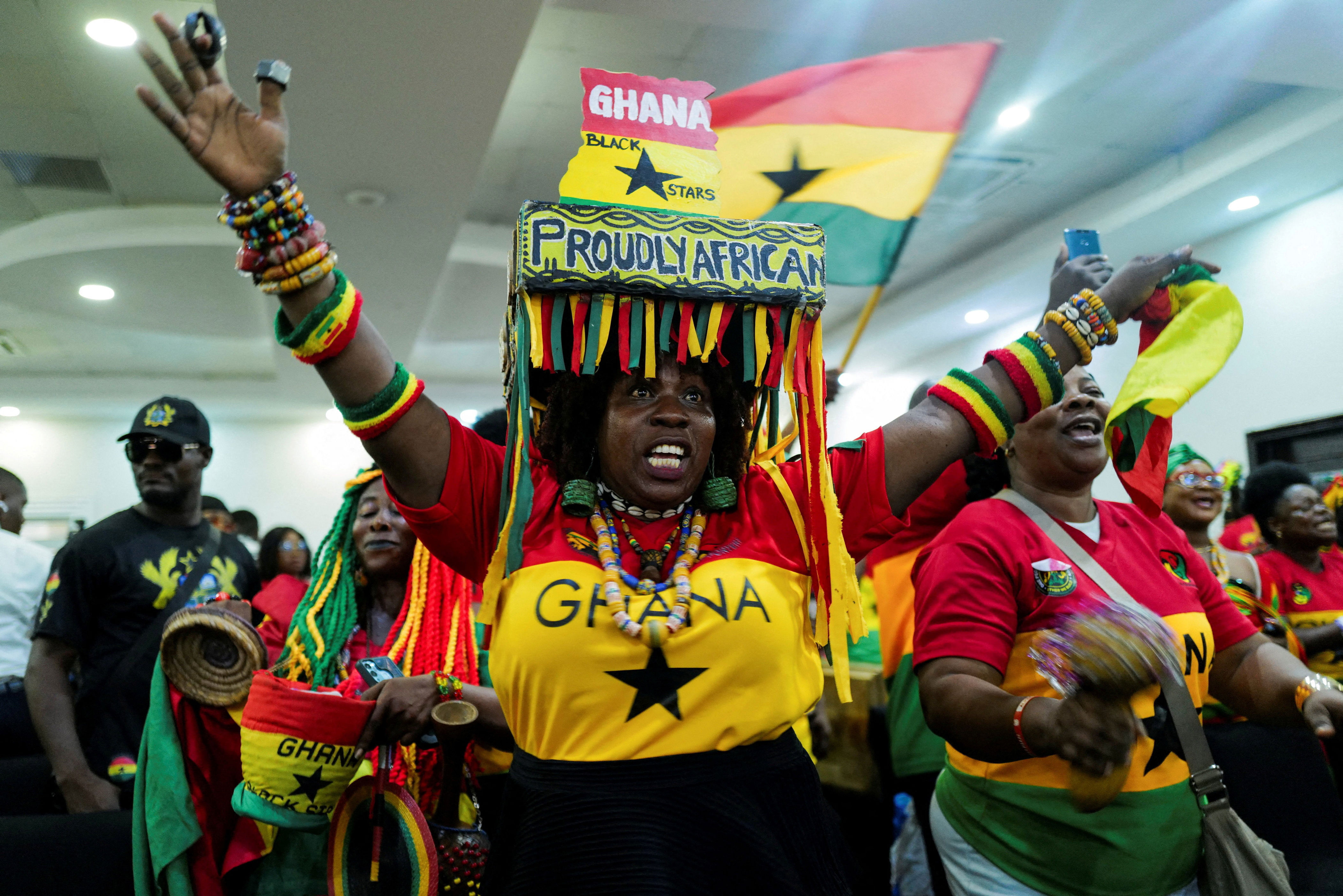
Several African nations have signed agreements with the US, including Angola, Botswana, Burkina Faso, Burundi, Cameroon, Ivory Coast, the Democratic Republic of the Congo, Eswatini, Ethiopia, Guinea, Kenya, Lesotho, Liberia, Madagascar, Malawi, Mozambique, Niger, Nigeria, Rwanda, Senegal, Sierra Leone, and Uganda. However, Ghana, Zimbabwe, and Zambia have pushed back against these deals.
One reason for this pushback is the ambitious financial targets set for these countries. For example, Kenya is required to contribute $850 million over the agreement period, with most of it to be provided in the last two years. Given that the Kenyan government currently spends about $2.2 billion on health per year and faces significant debt, this target is seen as unrealistic.
Zambia’s draft agreement highlighted concerns about the exchange of health data for access to mineral resources. The country was expected to share biological materials and epidemiological data without reciprocal guarantees on vaccines or treatments. Zimbabwe rejected the agreement as an “unequal exchange,” while Ghana raised concerns about data privacy.
Arnold Kavaarpuo, executive director of Ghana’s Data Protection Commission, stated that the scope of health data access requested under the deal went far beyond what is typically required. This has led to growing concerns about sovereignty, particularly data sovereignty, among critics of the agreements.
Criticisms and Concerns
Alexandra Tarzikhan, a global health analysis and policy specialist at Doctors Without Borders in the US, highlights the broader implications of these agreements. She notes that the central issue tying the pushback together is concern over sovereignty, particularly data sovereignty, and the perception that these agreements are shifting from public health partnerships into broader geopolitical or extractive arrangements.
Tarzikhan is direct about what “country ownership” looks like in practice. She argues that these arrangements are increasingly described as a transfer of financial responsibility without proportional returns. Asia Russell, executive director at HealthGAP [Global Access Project], adds that the Trump administration is anti-transparency regarding how taxpayer money is spent. She points out that this approach flies in the face of minimum standards for accountability and best practices in global health.
Russell further notes that the poor quality of these agreements and their focus on exploitation are evident. For instance, in Zambia, the State Department is threatening to withhold HIV treatment unless access to mineral wealth is handed over. She emphasizes that all of these MOUs are behind schedule, and access to life-saving services is at risk as a result.
A State Department spokesperson emphasized the focus on implementing lifesaving care in global health priority areas, including HIV/AIDS, tuberculosis, malaria, and maternal and child health. They added that claims that US global health policy abandons women’s health are false, as US assistance supports a wide range of maternal and child health services.