Ongoing Leadership Changes at Albury Wodonga Health
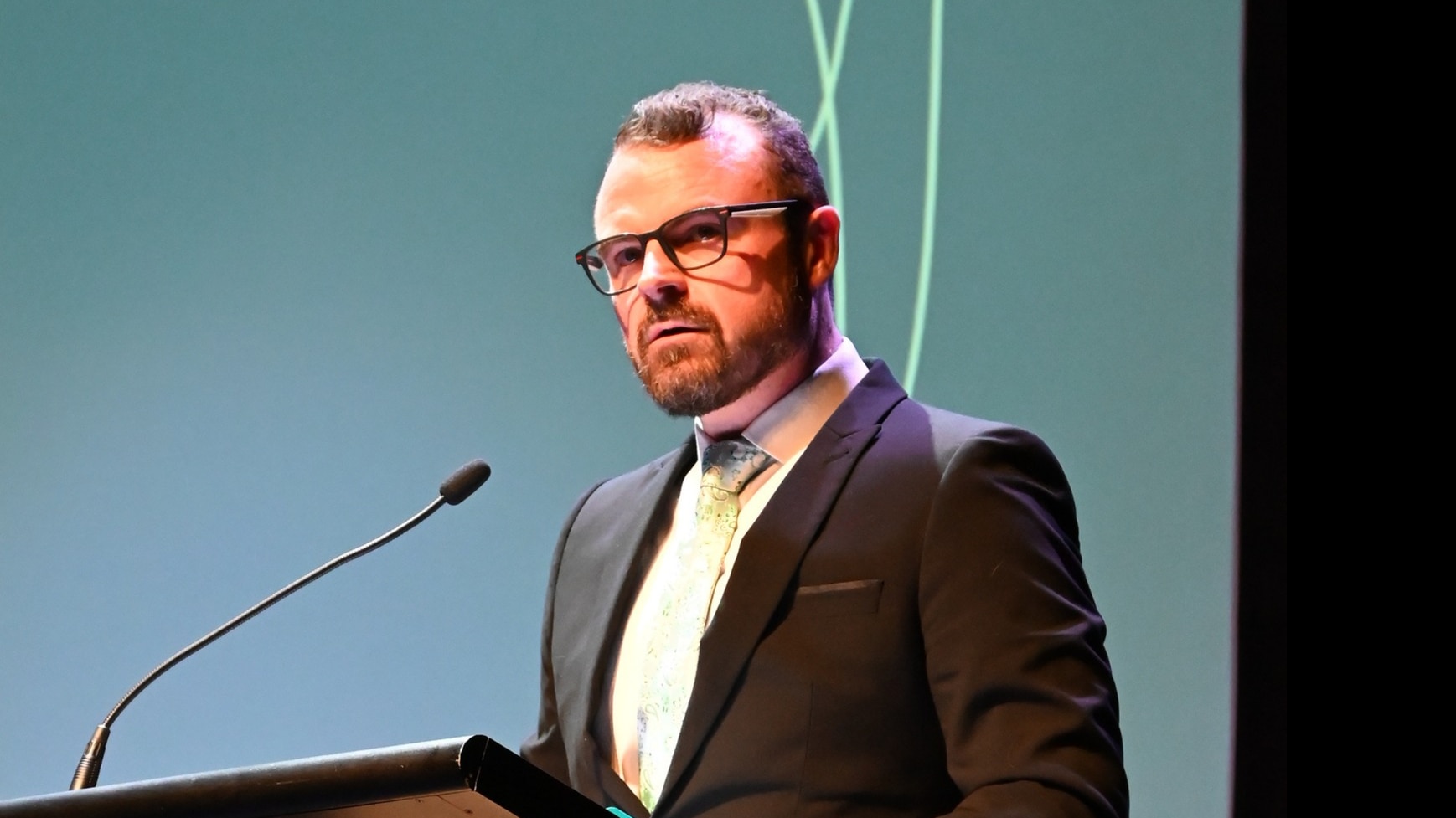
An ongoing exodus of senior executives is taking place at the troubled Albury Wodonga Health (AWH), with the chair of the board being the latest to announce his departure. Jonathan Green, who had served as the chair since July 2023, revealed on Thursday that he would not seek reappointment when his term ends next month. His exit comes in the wake of several high-profile departures, including the resignation of chief executive Bill Appleby in March and the departure of two other executives as part of a restructuring effort to merge the Finance and People and Culture teams.
The turmoil at AWH has been fueled by the controversial $558 million redevelopment plan, which many residents and clinicians believe fails to meet the community’s needs. This has led to heightened tensions within the health service, with some senior medical staff being temporarily stood down and later reinstated.
Concerns Over Governance and Staff Wellbeing
In March, 120 members of the AWH Senior Medical Staff Association and Border Medical Association passed a motion of no confidence in the executive leadership. Their concerns centered around governance, transparency, and decision-making processes, as well as issues related to staff wellbeing, psychological safety, and patient safety.
Better Border Health director Stan Savros commented on Mr Green’s departure, stating that “it had to happen.” He noted that there had been two votes of no confidence and suggested that Mr Green should have spent more time listening to medical staff and the community. “Jonathan was the chair during that period and really should have listened to the clinicians, should have listened to the community,” he said.
Political Perspectives on the Crisis
Amanda Cohn, a Greens MLC and former doctor in the Border region, echoed these sentiments, stating that the exodus of senior executives indicates significant problems at the top. “I think this is a fresh chapter for the organisation,” she said, adding that it presents an important opportunity for new leaders to take a different approach. However, she emphasized that change would take time. “It takes a long time to undo some of the damage that was done and to shift the culture of the organisation,” she said.
Dr Cohn also highlighted the lingering issue of the inadequate hospital redevelopment, which continues to cast a shadow over the organization. She stressed that the new leadership will face a substantial task in turning things around.
Calls for Further Change
Mr Savros noted that while the recent departures of executive members have been welcomed by staff, more changes are needed. “The noise we’re getting from people who work within the hospital, and certainly the messages we’re getting from not just people who work in the hospital but from volunteers at the hospital, has been, ‘At last, at last this has happened,’” he said.
He also suggested that there may be others within the organization who need to be addressed, based on their close association with Bill Appleby and the issues they caused within the hospital. “But we’ll just wait and see on that, and I just hope there’s a bit more change.”
Positive Steps Forward
Mr Savros praised AWH interim CEO Professor Andrew Way for his efforts in reinstating “well-respected” clinicians at the hospital. “Hopefully there’s more reinstatements to come, but it seems like he’s changing the place, which is really what we want to see happen,” he said.
He expressed hope that the new leadership would continue to make positive changes and bring the health service back to good hands. Mr Savros also suggested that it is not too late to consider building a new hospital on a greenfield site, with upgrades to the existing facility potentially repurposed for much-needed clinical space.
Regional Neglect and Government Responsibility
Dr Cohn pointed out that the border region has long been neglected by both Victorian and NSW governments, partly due to its status as a “safe seat.” She called for both states to stop passing the buck and recognize the region as a major inland city with a health-catchment area of 300,000 people.
NSW Health stated that AWH and the Victorian Department of Health are responsible for daily operations of the service. A spokesperson for the Victorian Government thanked Mr Green for his leadership and service to the local community, reaffirming their continued support for AWH to build a better, more inclusive staff culture.