A Life Dedicated to the Fight Against MND
Motor neurone disease (MND) is a cruel and relentless neurological illness that affects the nerve cells responsible for controlling voluntary muscles. As the disease progresses, it gradually robs individuals of their ability to walk, speak, swallow, and eventually breathe. It is incurable, progressive, and life-limiting, making it one of the most devastating conditions in modern medicine.
In Australia, two people are diagnosed with MND every day, and tragically, two also pass away from it. This grim reality has driven decades of advocacy, fundraising, and research aimed at finding a cure and improving the lives of those affected. The passing of Neale Daniher AO, a former Essendon AFL player and coach, has once again brought this issue into the national spotlight, highlighting the ongoing struggle against MND.
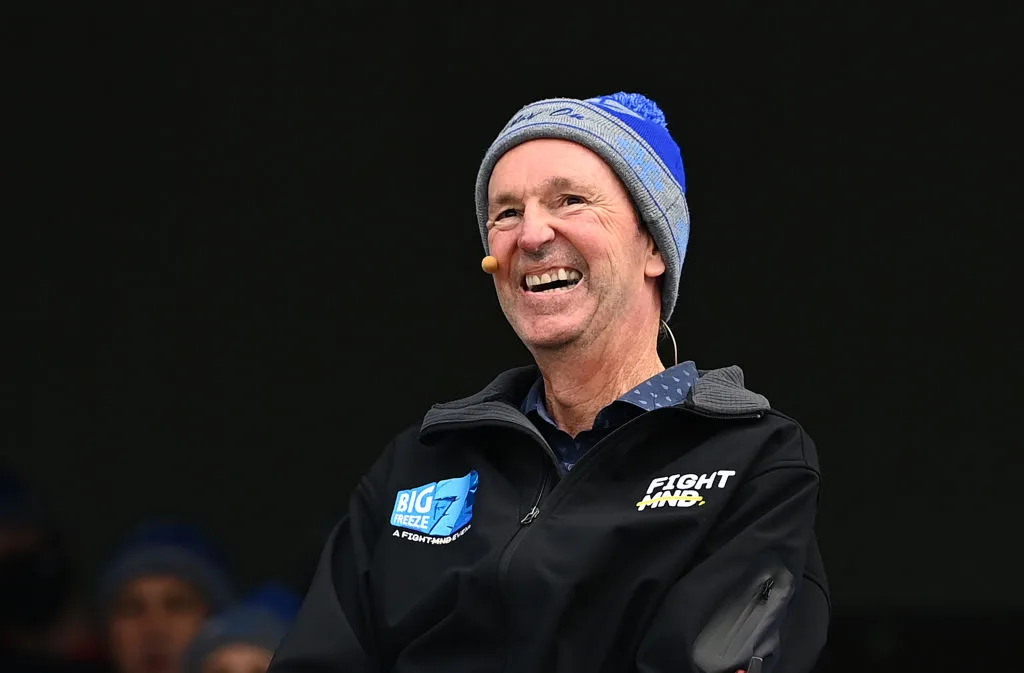
Neale Daniher, who was diagnosed with MND in 2013, became a powerful advocate for the cause. He dedicated his time and energy to raising awareness and funding for research through FightMND, the charity he helped establish. His efforts led to the creation of the Big Freeze campaign, which has raised over $100 million for MND research and care. In recognition of his contributions, he was named the 2025 Australian of the Year.
His advocacy played a crucial role in bringing MND into the national conversation. In January, the Federal Government announced $40.1 million to establish the Neale Daniher National MND Clinical Network. This initiative aims to expand access to clinical trials, improve care, and accelerate research for people living with MND across Australia. Neale described the funding as a step toward “turning hope into action” for future generations.
For many families touched by MND, the news of Neale’s passing has been deeply emotional. Steph De Souza, a former MasterChef Australia contestant, shared her grief on Instagram after learning of his death. Her sister, Therese, passed away from MND in 2022, and the recent focus on the disease has brought back painful memories. Steph described feeling “very flat today,” reflecting the deep impact MND has on those who have lost loved ones.
Steph has previously spoken about her sister, describing Therese as her “guardian angel.” She said, “Therese makes me brave. Every day, she inspires me to live my life to the full.” Steph recently became an ambassador for MND Australia, making Neale’s death feel especially close to home.
What is Motor Neurone Disease?
Motor neurone disease is a progressive neurological condition that damages the nerve cells (motor neurones) responsible for sending messages from the brain and spinal cord to voluntary muscles. As these neurones die, muscles weaken, leading to difficulties with movement, speaking, swallowing, and eventually breathing. It is a progressive and currently incurable disease, with symptoms and progression varying between individuals.
Signs and Symptoms
The early symptoms of MND can be subtle and vary widely, but commonly include:
- Muscle weakness, cramping and twitching
- Clumsiness or tripping
- Slurred speech or difficulty swallowing
- Fatigue and muscle wasting
- Emotional and behavioural changes in some people
Diagnosis can be challenging because there is no single definitive test; it often involves ruling out other conditions through neurological exams, imaging, and nerve studies.
Is There a Cure or Treatment?
Currently, there is no known cure for MND. Treatment focuses on managing symptoms, supporting quality of life, and maintaining independence for as long as possible. One medicine, Riluzole, is approved to slow the progression of some forms of MND and is available on the Pharmaceutical Benefits Scheme. Other therapies, including multidisciplinary care teams, mobility aids, and communication support, are also critical parts of managing the condition.
Clinical trials offer access to emerging treatments and play a vital role in expanding the understanding of MND and uncovering potential new therapies. The new network aims to build on FightMND’s existing work, which has already helped fund 17 clinical trials involving more than 700 people with MND across Australia.