The Chinese automotive industry has grown into a global powerhouse, but this dominance hasn’t always been the case. While brands like Toyota and Mercedes-Benz have been producing passenger cars for decades, China’s automotive manufacturing only began to take off in the 1980s, initially focusing on commercial vehicles. It wasn’t until the late 1980s that the Chinese government decided to boost its automotive capabilities. However, the country lacked the expertise to do so independently, leading to a pivotal decision.
At the time, China had largely restricted foreign companies from operating within its borders. But a new strategy was introduced: allowing domestic car brands to form joint ventures with international automakers. This move provided local manufacturers with the opportunity to learn from global leaders while giving these giants access to one of the world’s largest markets, which was experiencing a middle-class boom.
This approach proved transformative. The 1994 Automobile Industry Policy aimed to attract global original equipment manufacturers (OEMs) to China, although with a cap on ownership at 50 per cent. Companies such as General Motors, Mercedes-Benz, Hyundai, Nissan, Volkswagen, and Toyota seized the opportunity, and the results were swift. By 2009, China had become the world’s largest vehicle manufacturer.
Looking back, it was clear that the shift was inevitable. Chinese brands quickly gained the necessary expertise, making international partnerships less essential. Many foreign automakers have since exited the market. At the same time, consumer preferences in China have evolved. During my first visit around 2013, there was a strong preference for foreign car brands. On my most recent trip, almost every vehicle on the road was Chinese.
This shift feels reminiscent of history repeating itself, but in reverse. Now, China holds the advantage when it comes to building high-quality, low-cost electric vehicles (EVs) and plug-in hybrid electric vehicles (PHEVs). Legacy automakers are eager to learn from Chinese expertise.
Nissan, for example, has heavily invested in its partnership with Dongfeng, particularly with the plug-in hybrid Frontier Pro ute and its SUV counterpart. Ma Zhixin, Chairman of the Nissan China Management Committee and President of Dongfeng, recently highlighted the importance of leveraging China’s manufacturing strengths to regain business momentum and bring Chinese products and technologies to the global stage.
Nissan’s new global CEO, Ivan Espinosa, also acknowledged China’s growing role in the company’s future, stating that “China will play a very important role in Nissan Global’s future.”
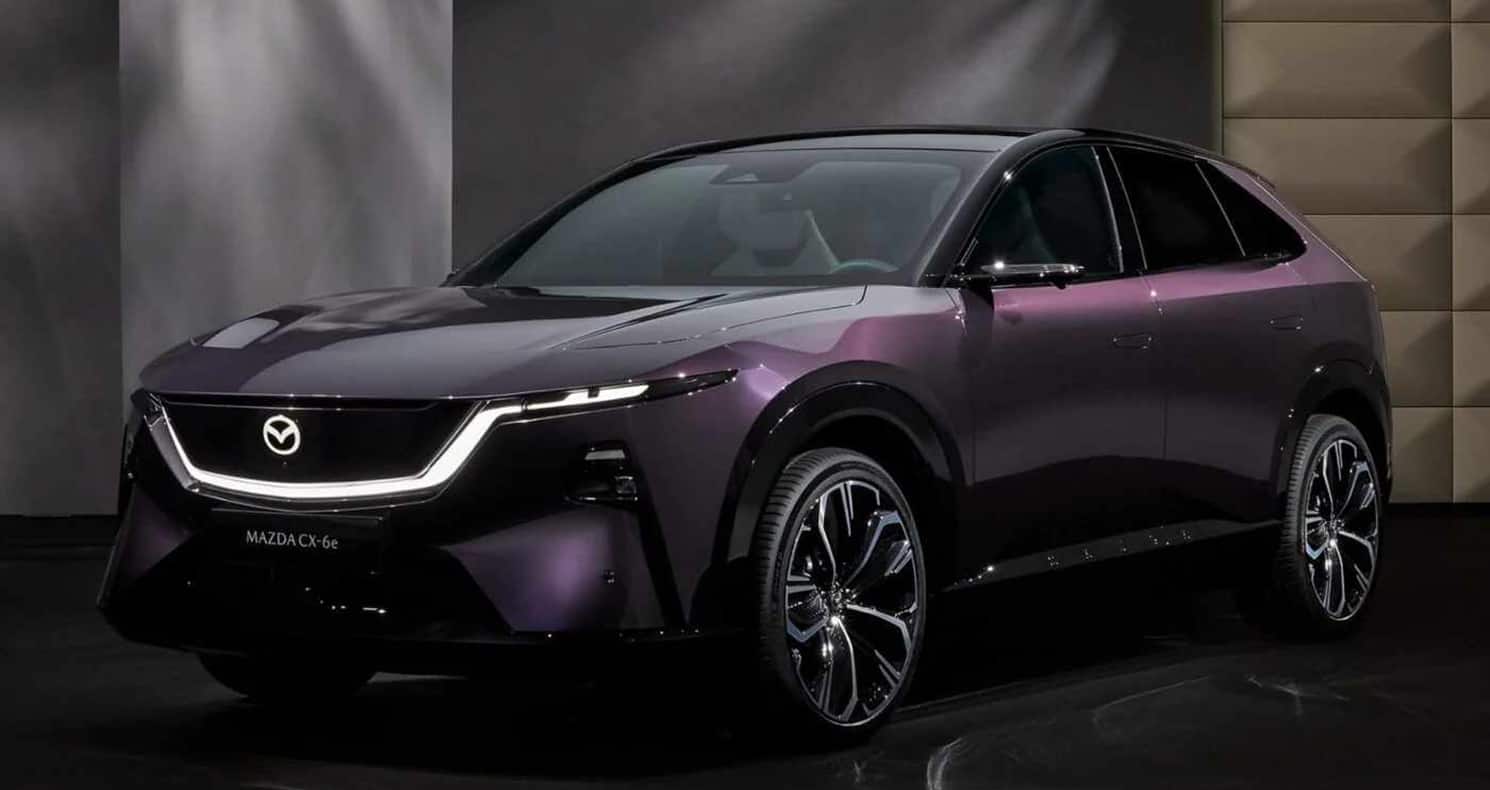
Mazda has adjusted its EV strategy, pushing the launch of its first in-house electric vehicle to 2029. Instead, the company has partnered with Changan Automobiles to develop the Mazda 6e and CX-6e SUVs, both set to launch in Australia with Mazda branding. Honda has started importing EVs made in China through Dongfeng Motor back into Japan—a trend that was previously rare. The Hyundai Elexio is produced by Beijing Hyundai, a joint venture with BAIC, while the Kia EV5 is manufactured in China through a partnership with the Jiangsu Yueda Group.
It seems as though China has mastered cost-effective manufacturing, and legacy brands are keen to understand how it’s done. They are also planning their own in-house models further down the line. This pattern is becoming increasingly familiar.
What these brands do with the knowledge they gain remains to be seen. However, history has a tendency to repeat itself in unexpected ways.