The Growing Concern Over Motor Neuron Disease in Elite Athletes
The recent passing of Neale Daniher and the unexpected diagnosis of Jai Arrow at just 30 years old have reignited a long-standing debate in the world of sports: are elite footballers more likely to develop motor neurone disease (MND)? This question has taken on new urgency as the stories of these athletes highlight the emotional and medical challenges faced by those in contact sports.
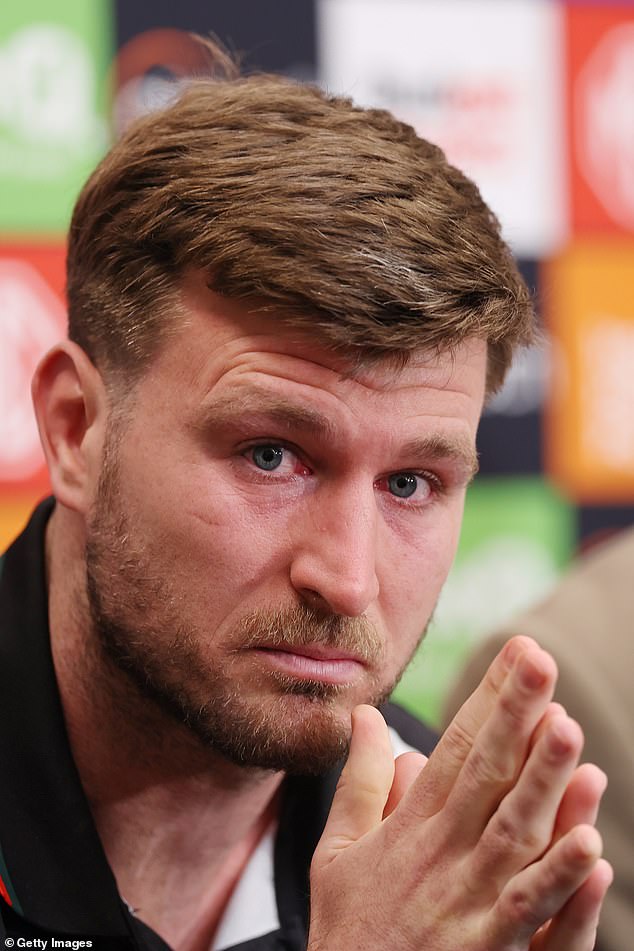
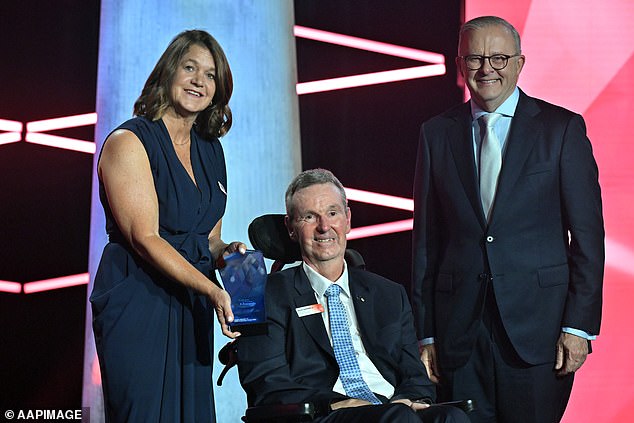
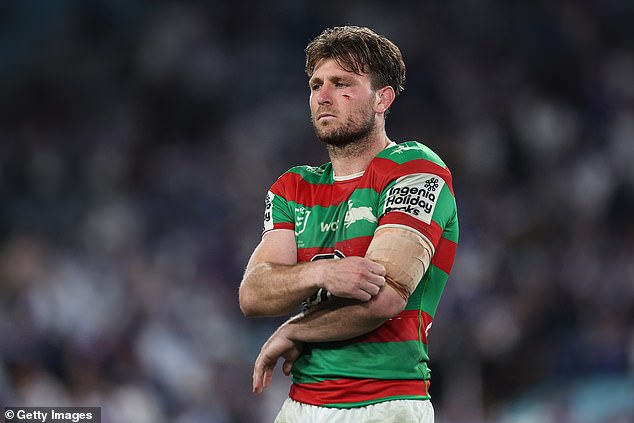
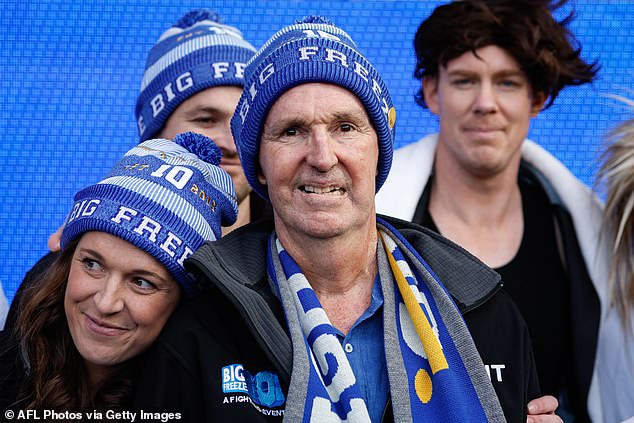
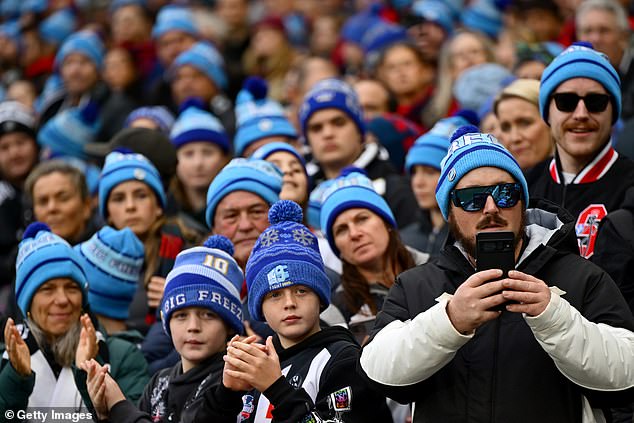
Neale Daniher, a revered figure in Australian Football League (AFL) history, was diagnosed with MND in 2013 and passed away after a courageous battle with the disease. His advocacy work through FightMND earned him recognition as Australian of the Year in 2025. Just weeks before his death, Jai Arrow, a rising star in rugby league, made an emotional retirement announcement, shocking the sporting community. At the peak of his career, having played 178 NRL games for teams like the Brisbane Broncos, Gold Coast Titans, and South Sydney Rabbitohs, Arrow’s sudden diagnosis raised serious questions about the long-term health impacts of contact sports.
The Debate Around Contact Sports and MND
While researchers are increasingly concerned about potential links between contact sports and neurodegenerative diseases, experts emphasize that there is still no conclusive evidence that rugby league, rugby union, or AFL directly cause MND. The complexity of the issue lies in the fact that while some patterns suggest a correlation, the science remains inconclusive.
Scientists now believe that the answer may lie in the accumulation of thousands of smaller impacts over many years, combined with factors such as genetics, environmental exposure, training loads, and even extreme physical exertion. This idea challenges the common perception that one major concussion or tackle is the primary cause.
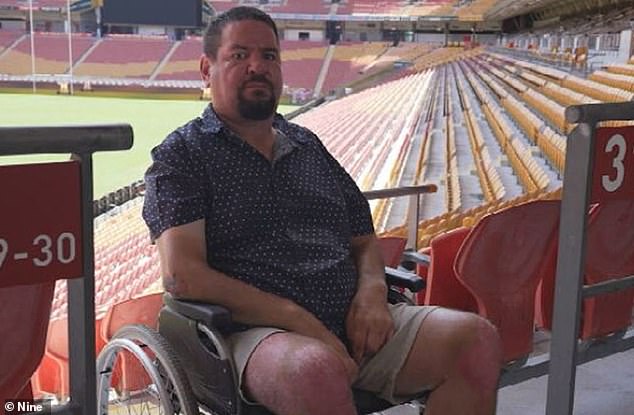
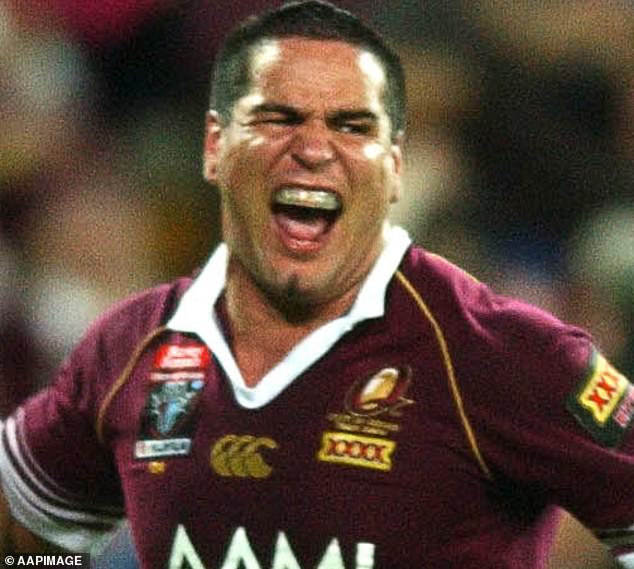
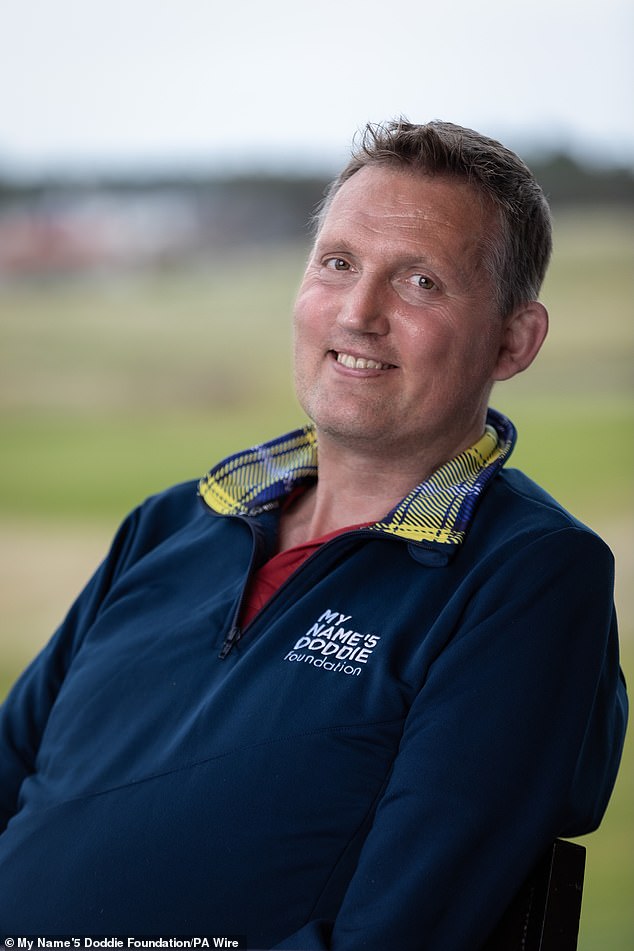
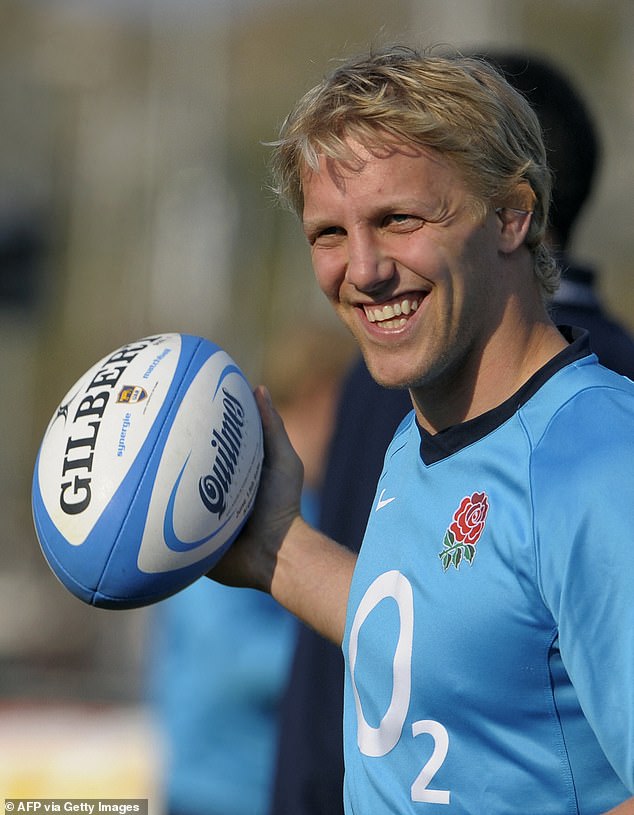
The concern surrounding elite athletes and MND is not new. Former players like Carl Webb and Scott Gale have also succumbed to the disease, and in rugby union, figures like George ‘Doddie’ Weir and Ed Slater have become prominent advocates for MND research. These stories have intensified public concern, but scientists stress that the evidence remains incomplete.
Scientific Findings and Ongoing Research
A landmark review published in the British Journal of Sports Medicine examined 45 studies on sport-related trauma and MND. The findings suggested that professional athletes in football codes may be four to 15 times more likely to develop the disease. However, this does not mean that sport causes MND; it simply indicates a possible association.
One of the most significant studies came from New Zealand in 2022, where researchers analyzed 321 MND patients and 605 control subjects. The results showed that individuals who reported two concussions had an odds ratio of 4.01 for developing MND, while those with three or more head injuries also showed elevated risk. The study also found that continuous participation in sport from childhood to adulthood increased MND risk, with football players participating for more than 12 years showing more than double the risk compared to non-players.
Despite these findings, researchers caution that correlation does not equal causation. The MND Association UK has reiterated that while there may be a link between professional sports and MND, there is no proof that sport directly causes the disease. This distinction is critical, both medically and legally.
The Role of Genetics and Environmental Factors
MND is a complex disease that attacks motor neurones, leading to progressive muscle weakness and loss of function. Currently, there is no cure, and the lifetime risk is estimated at one in 300. Researchers believe that genetics play a significant role in determining who becomes vulnerable to the disease.
Dr. Nick Cole, a specialist in MND, stated that there is no definitive link between rugby and MND. He emphasized that the disease is caused by a combination of environmental, lifestyle, and genetic factors. While sport could be one contributing factor, there are many other elements being studied to find effective treatments.
Recent research from the University of Sheffield suggests that extreme exercise in men may increase MND risk and lead to earlier onset in genetically susceptible individuals. Again, these findings are not definitive, but they raise concerns among experts.
Addressing the Risks in Sport
In response to these concerns, sports organizations around the world have introduced stricter concussion protocols and reduced contact in junior sports. However, some researchers believe that the hidden problem lies in subconcussive impacts—those that do not result in a diagnosed concussion but can accumulate over time.
Jai Arrow’s diagnosis has brought these fears back into the spotlight, especially due to his young age. Professor Alan Pearce, from Swinburne University of Technology, emphasized that the real issue is not about preventing individual concussions but reducing the overall exposure to repeated impacts.
The Uncertainty Ahead
For now, the science remains unsettled. Major medical organizations continue to urge caution, with a 2025 independent report concluding that the evidence base is not sufficiently clear to establish a proven causal link between sport and MND. This means no expert can definitively say that rugby league caused Jai Arrow’s illness, but few are dismissing the possibility anymore.
As researchers across Australia, New Zealand, and Europe race to understand the complex interplay of factors that may contribute to MND, the uncertainty surrounding the issue remains one of the most challenging aspects for athletes, families, and sporting bodies alike.