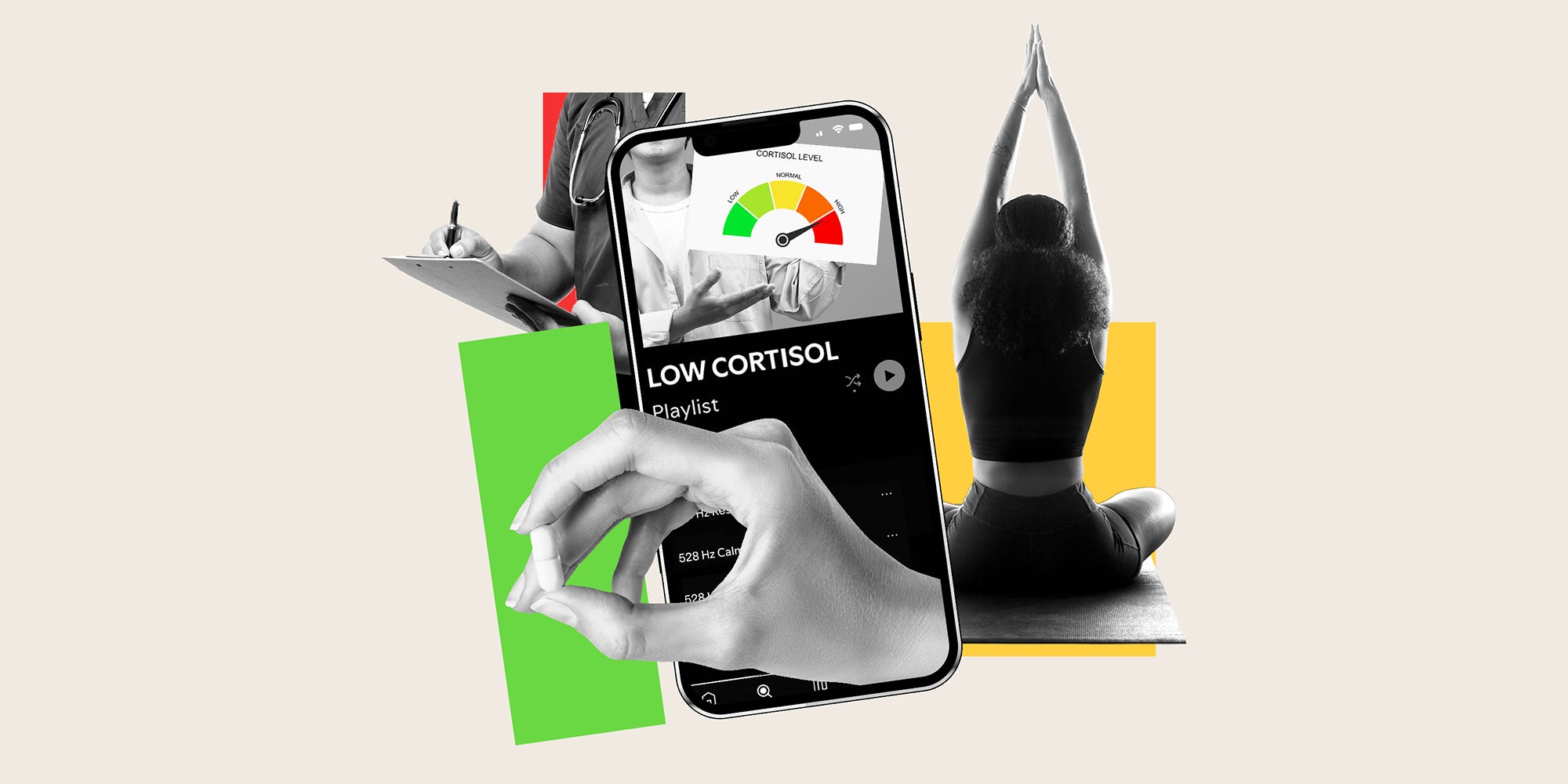
The Rise of Cortisol as a Wellness Boogeyman
Cortisol is often portrayed as the villain in the wellness world, but it’s actually a vital hormone that plays a crucial role in our bodies. While it’s true that high cortisol levels can be linked to various issues, much of the online information surrounding it is misleading and not based on scientific evidence. It’s important to understand what cortisol really does and how it affects our health.
Cortisol is produced by the adrenal glands and helps the body respond to stress. It regulates blood sugar, blood pressure, and inflammation. Normally, cortisol levels follow a daily rhythm, peaking in the morning to help us wake up and gradually decreasing throughout the day. This natural fluctuation is essential for our well-being.
However, social media platforms like Instagram and TikTok have turned cortisol into a popular topic of concern. Many influencers and businesses are capitalizing on this fear, promoting supplements and products that claim to lower cortisol levels. These claims are often unfounded and lack scientific backing.
Understanding the Science Behind Cortisol
Cortisol is not inherently bad. In fact, it’s necessary for our survival. When we face a stressful situation, cortisol helps us respond effectively. For example, during exercise or when we’re under pressure, cortisol levels naturally increase. These spikes are part of the body’s normal response to stress and are beneficial in small amounts.
Dr. Scott Isaacs, an endocrinologist, explains that the obsession with cortisol on social media stems from a misunderstanding of its role. “The internet’s fixation on cortisol is a classic example of wellness culture taking a legitimate scientific concept and turning it into a villain,” he says. This misinterpretation leads people to believe that any stress or health issue is caused by cortisol, which is not always the case.
There are rare conditions where cortisol levels are abnormally high or low, such as Cushing’s syndrome and Addison’s disease. However, these conditions are diagnosed through medical tests and require professional treatment. Self-diagnosing based on online information can be dangerous and lead to unnecessary anxiety.
The Role of Social Media in Spreading Misinformation
Social media algorithms play a significant role in spreading misinformation about cortisol. Short-form videos and posts often provide simplified explanations of complex topics, making them easy to understand but not always accurate. This can create an echo chamber where users are constantly exposed to similar content, reinforcing their beliefs without critical evaluation.
Dr. Caroline Messer, an endocrinologist, notes that many patients come in thinking their cortisol levels are high due to stress, only to find out they are normal. “It’s not a real condition,” she says, referring to the concept of ‘adrenal fatigue,’ which is not recognized by the medical community.
The rise of wellness culture has also contributed to the spread of misinformation. People are increasingly distrustful of traditional medical establishments and seek alternative solutions. This has created a market for unproven remedies and supplements, many of which make exaggerated claims about their effectiveness.
The Supplements Industry and Regulation
The supplements industry in the United States is lightly regulated, allowing manufacturers to market products without needing FDA approval for safety or efficacy. This creates a legal gray area where companies can make bold claims without providing evidence. Dr. Matthew Motta, an associate professor at Boston University, explains that many companies do not fund extensive research to test their supplements, likely because they know the results may not support their claims.
This lack of regulation means that consumers are often misled into believing that supplements are effective solutions for various health issues, including cortisol-related problems. Businesses capitalize on this by offering products that promise quick fixes, even if they are not backed by scientific evidence.
Addressing Stress and Cortisol Levels
While cortisol itself is not the enemy, chronic stress can have negative effects on the body. Stress can increase the risk of hypertension, heart disease, and depression. However, the solution is not necessarily to lower cortisol levels through supplements or products. Instead, lifestyle changes such as regular exercise, proper sleep, and stress management techniques can help reduce stress and improve overall well-being.
Dr. Rajita Sinha, a psychiatry professor at Yale, emphasizes that the body sends signals about stress that we should pay attention to. These signals include increased heart rate, muscle tension, and irritability. “Your body is giving us a lot of signals about stress,” she says. “You don’t need to check your cortisol levels to recognize these signs.”
Simple practices like deep breathing can help manage stress and calm the body. “Notice your breathing, and you slow down your breath,” Dr. Sinha advises. “That is going to slow down your body.”
Conclusion
While cortisol is an essential hormone, the online discourse surrounding it is often misleading. It’s important to approach health information critically and consult with healthcare professionals rather than relying on social media influencers or AI-generated advice. Understanding the science behind cortisol and managing stress through healthy lifestyle choices can lead to better overall health and well-being.