Restrictions on Communication with the World Health Organisation
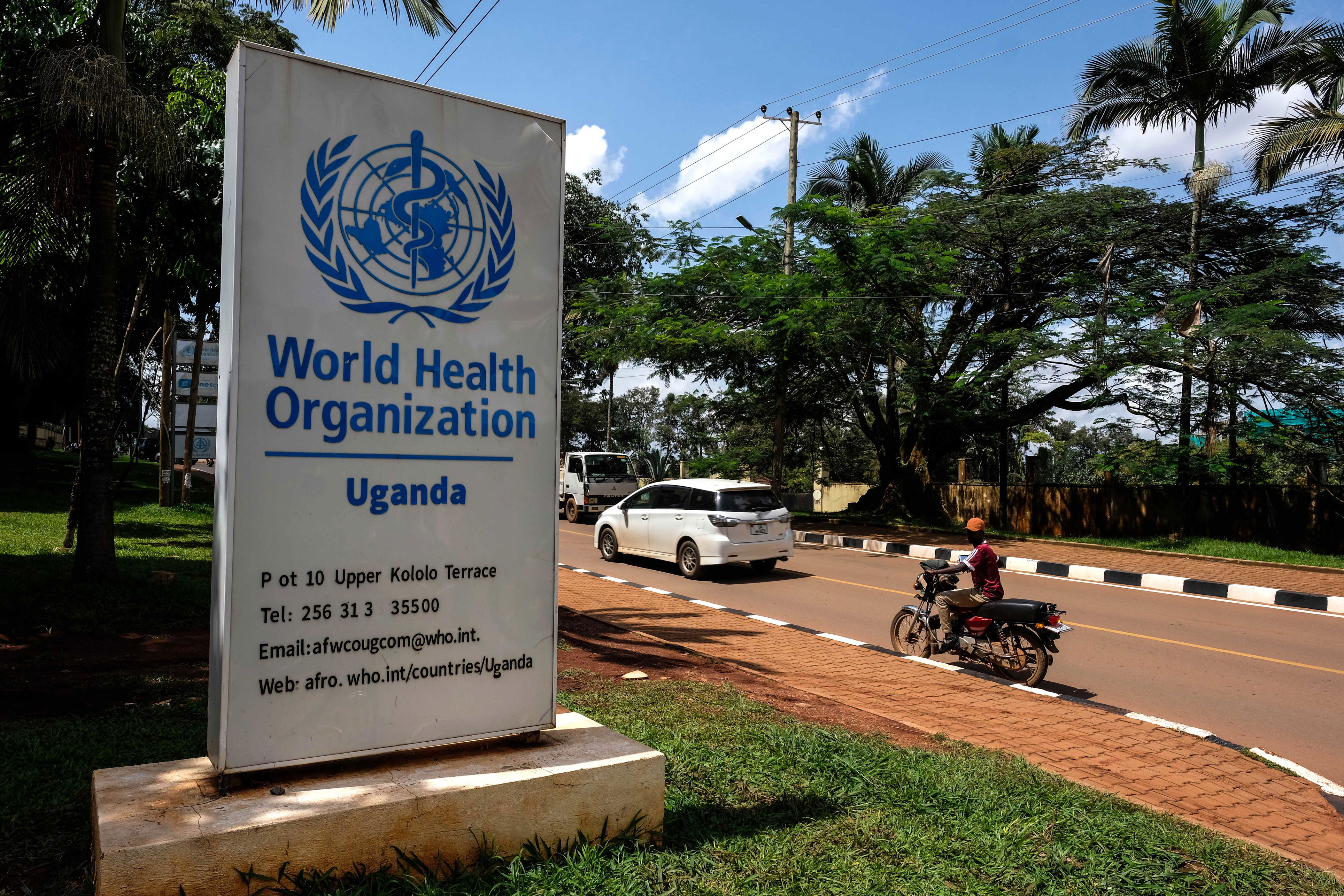
Senior officials responsible for leading US research on infectious disease threats have been prohibited from direct communication with the World Health Organisation (WHO), as revealed by documents and multiple sources who spoke to CNN. The Trump administration issued a directive that barred individuals at the National Institute of Allergy and Infectious Diseases (NIAID) from engaging in direct dialogue with WHO, effectively excluding them from global discussions on virus outbreaks.
The NIAID, a federal health sub-agency, has been instrumental in the development of treatments for HIV/AIDS and Covid-19. It was led by Dr. Anthony Fauci for decades, making it a key player in public health research. The restriction was in place during the recent outbreak of hantavirus, which several Americans have been exposed to.
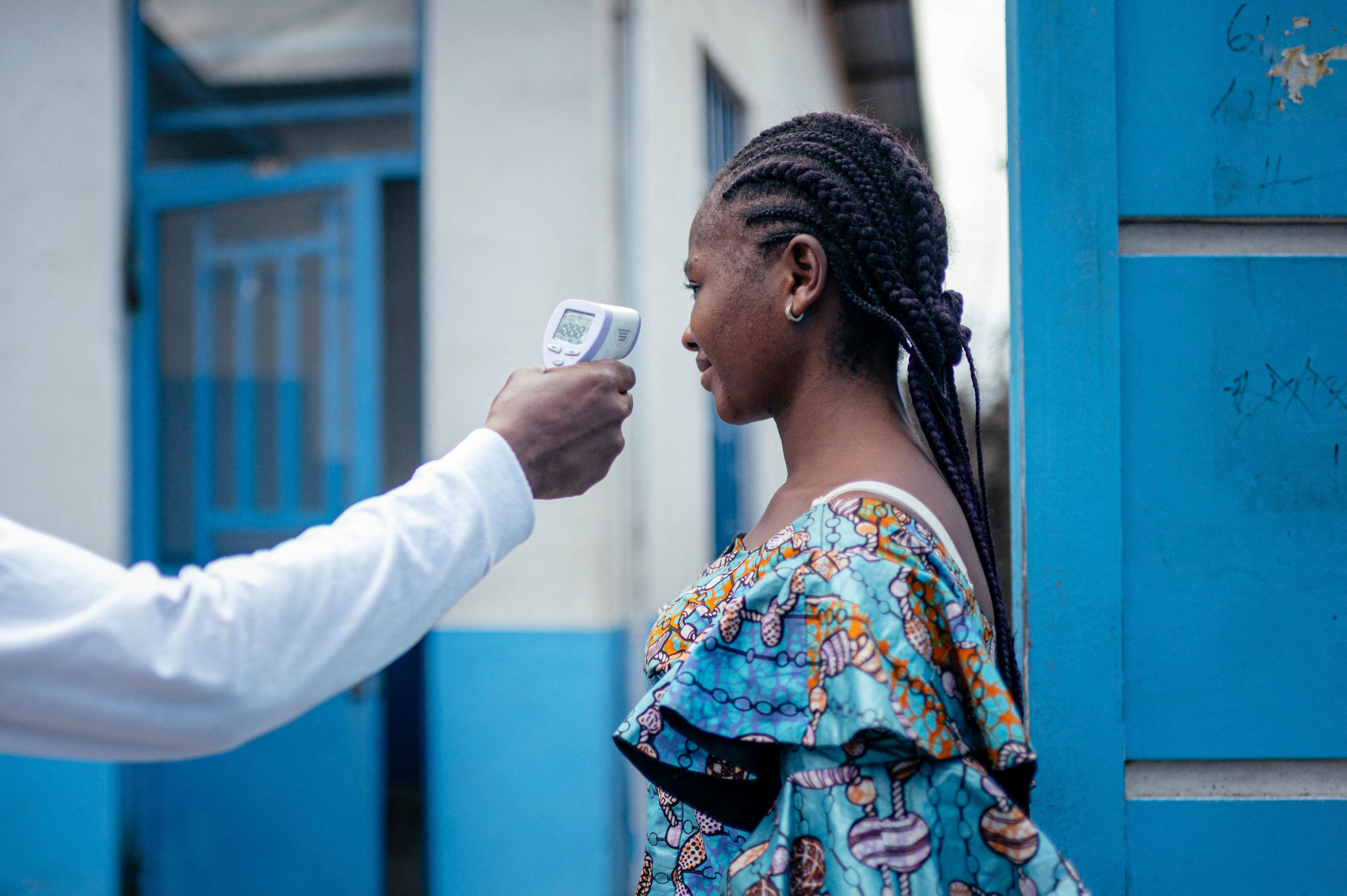
Recently, there have been slight relaxations in communication limits following an Ebola outbreak in the Democratic Republic of the Congo. For instance, some NIAID officials can now attend virtual WHO meetings, but only in small groups and in a “listening capacity,” according to an email from a senior NIAID official on May 18.
Follow-ups to those meetings would have to be conducted by NIAID’s parent agency, the Department of Health and Human Services. “We’ll be operating in the same manner for Ebola as we have been doing for Hantavirus, assembling a small group of experts — no more than three — to participate,” the email said. “Should we have legitimate research questions or countermeasure testing ideas, we can bring those up through the proper chain of command.”
The restrictions have hindered quick collaboration with international counterparts, according to several current and former health officials. One source described it as unheard of during a US response to emerging public health emergencies.
The rules are part of broader measures by the Trump administration to retreat from global health initiatives. The president had ordered the U.S.’s withdrawal from WHO in January.
Impact on US Health Agencies
As a result, many US health agencies are currently led by interim heads or have vacant positions. These include the director of the infectious disease agency; surgeon general; head of the Food and Drug Administration; deputy health secretary; and head of the Centers for Disease Control and Prevention.
A spokesperson for the Department of Health and Human Services stated that the department “engages with the WHO to support information sharing and coordination during infectious disease outbreaks” through the CDC, which is on the ground in disease outbreaks. They added that the department is “fully equipped to protect Americans and mitigate risks.”
“Teams across the Department coordinate on key response areas, including contact tracing, diagnostics, and medical countermeasures, to avoid duplication and reduce confusion in outbreak response efforts,” the spokesperson concluded.
The Role of Independent Readers in Global Health Discourse
Independent readers are known for their independent-mindedness and are not defined by traditional demographics or profiles, but by their attitudes. In today’s increasingly fragmented world, communities value real facts and frank opinions delivered first-hand from a non-biased news brand that they can trust.
Armed with information and inspiration, these readers are empowered and equipped to take a stand for the things they believe in. Their engagement with global health issues highlights the importance of reliable and transparent reporting in shaping public understanding and response to health crises.