Concerns Over President Trump’s Health
A physician has raised significant concerns regarding the physical and mental health of former President Donald Trump, particularly as he prepares for his third medical checkup in 13 months. At 80 years old, Trump is the oldest president to have been inaugurated, and Dr. Jonathan Reiner has voiced serious worries about specific medical issues that have become visible as the former leader undergoes a scheduled medical and dental examination at Walter Reed National Military Medical Center.
Reiner, a cardiologist and CNN medical analyst, emphasized the importance of transparency regarding the president’s health. He stated that while there is no legal requirement for the president or his team to release health information to Congress or the public, he believes this should change. “There are so many roles in our society that require annual assessments of physical capacity,” Reiner explained. “Pilots, Secret Service agents, school bus drivers — for the chief executive of this country and the commander in chief of our armed forces, we should have a clear understanding that the president is fit for duty.”
Despite the lack of detailed information from the White House about Trump’s health, there have been visible symptoms that raise questions about age-related health issues. Reiner pointed out several concerning signs, including bruising that was initially attributed to vigorous handshaking, which he finds unconvincing. Additionally, he highlighted severe edema in Trump’s ankles, which was described as chronic venous insufficiency just three months prior, despite earlier examinations showing no such condition.
Sleep Issues and Cognitive Risks
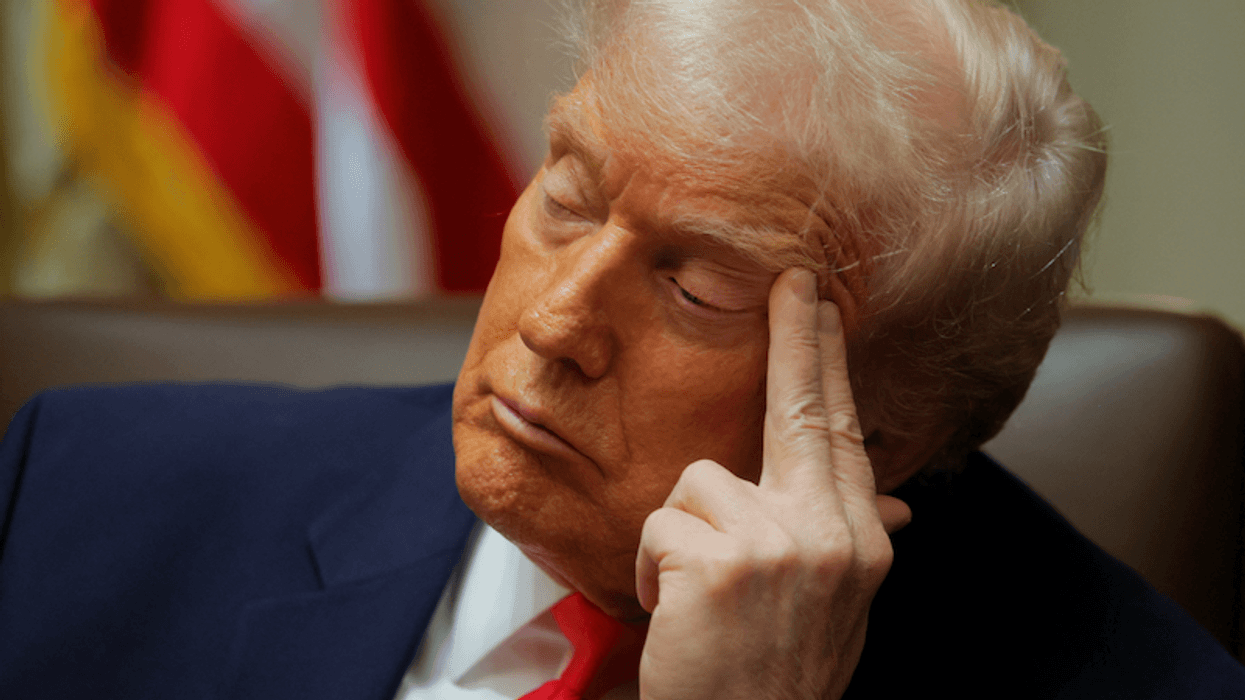
Trump’s frequent late-night or early-morning social media activity has also raised concerns about potential sleep issues. Reiner noted that the former president experiences severe daytime somnolence, often falling asleep during meetings and even in the Oval Office. “He falls asleep very often,” Reiner said. “He’s fallen asleep in the Oval Office on multiple occasions with people talking to him in the Cabinet Room, and was concerned yesterday that he might have fallen asleep at Arlington National Cemetery during Memorial Day observances.”
Chronic insomnia, according to Reiner, is a serious condition that can lead to increased risks of dementia, cognitive decline, and mental health issues like depression and anxiety. “It’s equivalent to about increasing your age by about three and a half years,” he added. “It increases your cardiac risk of having a heart attack or developing congestive heart failure, and it can produce a decline in your sort of mental functions.”
Reiner has called for the White House to provide a credible explanation for these health concerns and to address the underlying causes of Trump’s daytime somnolence. He emphasized the need for a thorough evaluation of the former president’s health and any steps being taken to improve his condition.
A Prominent Voice in Public Discourse
Dr. Jonathan Reiner, who previously served as Vice President Dick Cheney’s personal heart doctor for over a decade, has emerged as one of the most prominent medical voices questioning Trump’s fitness for office. His comments have sparked renewed debate about the importance of transparency and accountability in the health of national leaders.
As the nation continues to monitor Trump’s health, the conversation around his well-being remains a topic of significant public interest. With each new development, the call for clarity and openness grows louder, highlighting the critical role that health assessments play in ensuring the effectiveness and safety of those in positions of power.