The Evolution of Electric Sports Cars
For many years, sports car enthusiasts viewed electric vehicles as an unwelcome addition to the world of high-performance driving. They cherished the roar of engines, the tactile experience of manual gear shifts, and the distinct aromas and sounds that came with combustion-powered machines. To them, an electric sports car seemed like a silent appliance with a more attractive exterior.
However, this perception is rapidly changing. Electric performance cars are no longer seen as awkward experiments. They are now fast, visually striking, and technologically advanced. Models such as the Rimac Nevera, Porsche Taycan Turbo GT, Maserati GranTurismo Folgore, Lotus Evija, and MG Cyberster demonstrate the growing diversity within this category.
Electric Speed Changed the Argument
One of the most significant impacts of electric sports cars has been their ability to deliver extraordinary acceleration. Electric motors provide instant torque, which means the power is delivered immediately without the need for revving or shifting gears. This has led to impressive performance figures, such as the Rimac Nevera’s claimed 0-to-60 mph time of under two seconds. While petrol enthusiasts may miss the sound of engines, it’s difficult to argue against such speed.
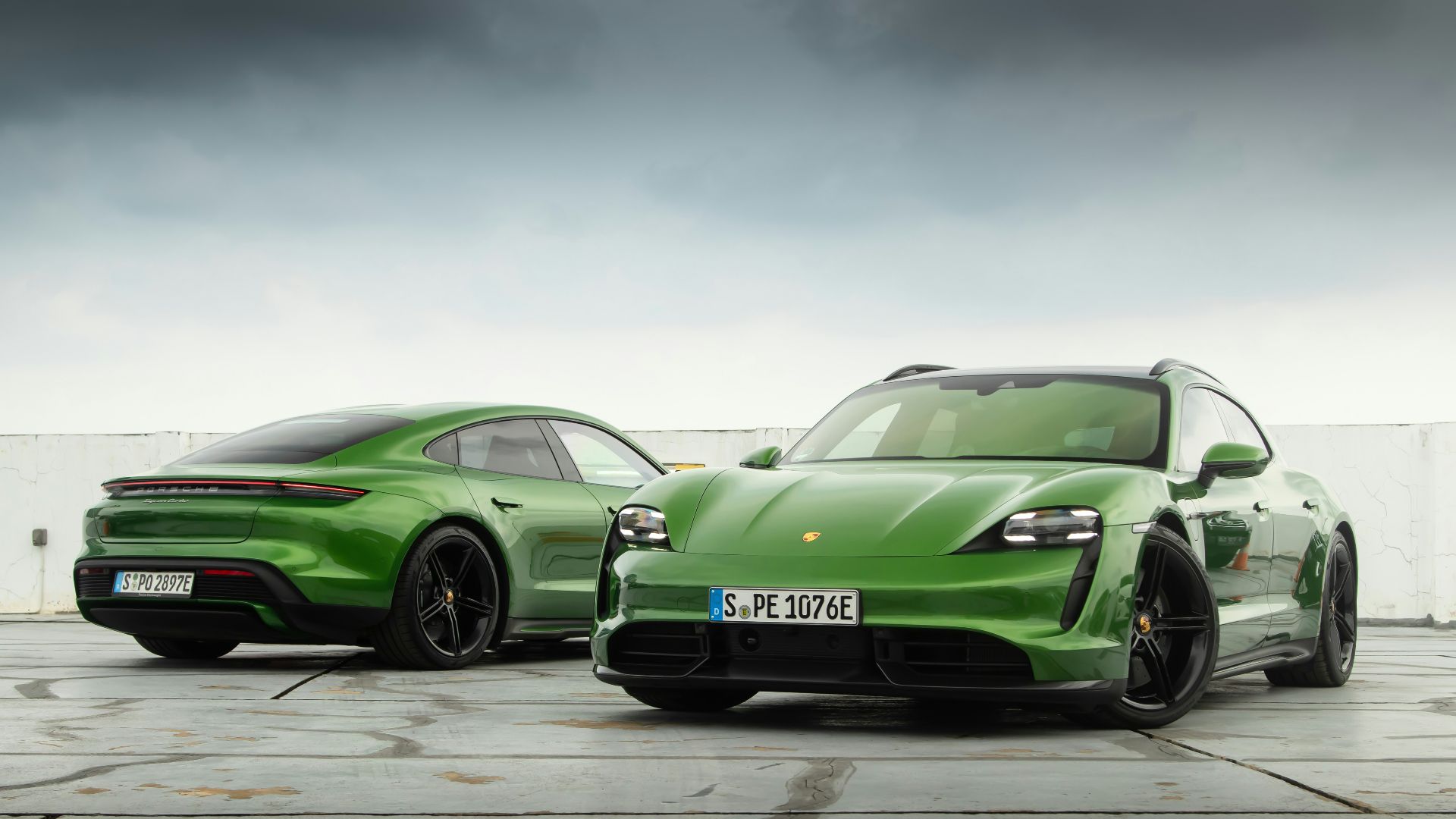
The Porsche Taycan has also played a crucial role in making electric performance more credible. In its more powerful iterations, including the Turbo GT, the Taycan shows that EVs can be both quick and refined. It’s not a small two-seat roadster, but it has helped establish electric speed as a serious contender among those who typically distrust quiet vehicles. Sometimes, even a four-door Porsche needs to open the door for others to enter.
Electric vehicles also influence how designers and engineers approach balance. Batteries are often positioned low in the chassis, which can lower the center of gravity and improve stability. While this doesn’t automatically turn every EV into a sports car, when the engineering is done well, electric architecture can create vehicles that feel grounded, precise, and confident.
The Designs Are Getting More Dramatic
One of the most surprising developments in the electric sports car era is the newfound freedom designers have. Without the constraints of traditional engines, exhaust systems, and transmission tunnels, there is more room to rethink proportions. This can lead to lower noses, cleaner lines, dramatic lighting, and cabins placed in locations that were previously unimaginable for sports cars. The result is a look that feels less like a modified version of the past and more like a glimpse into the future.
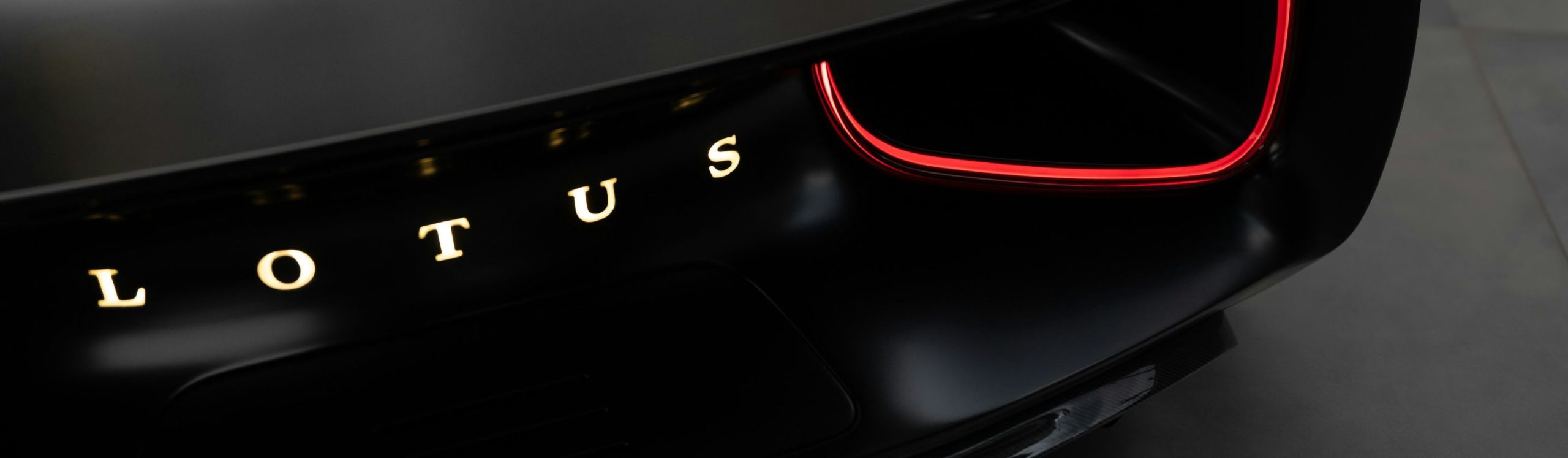
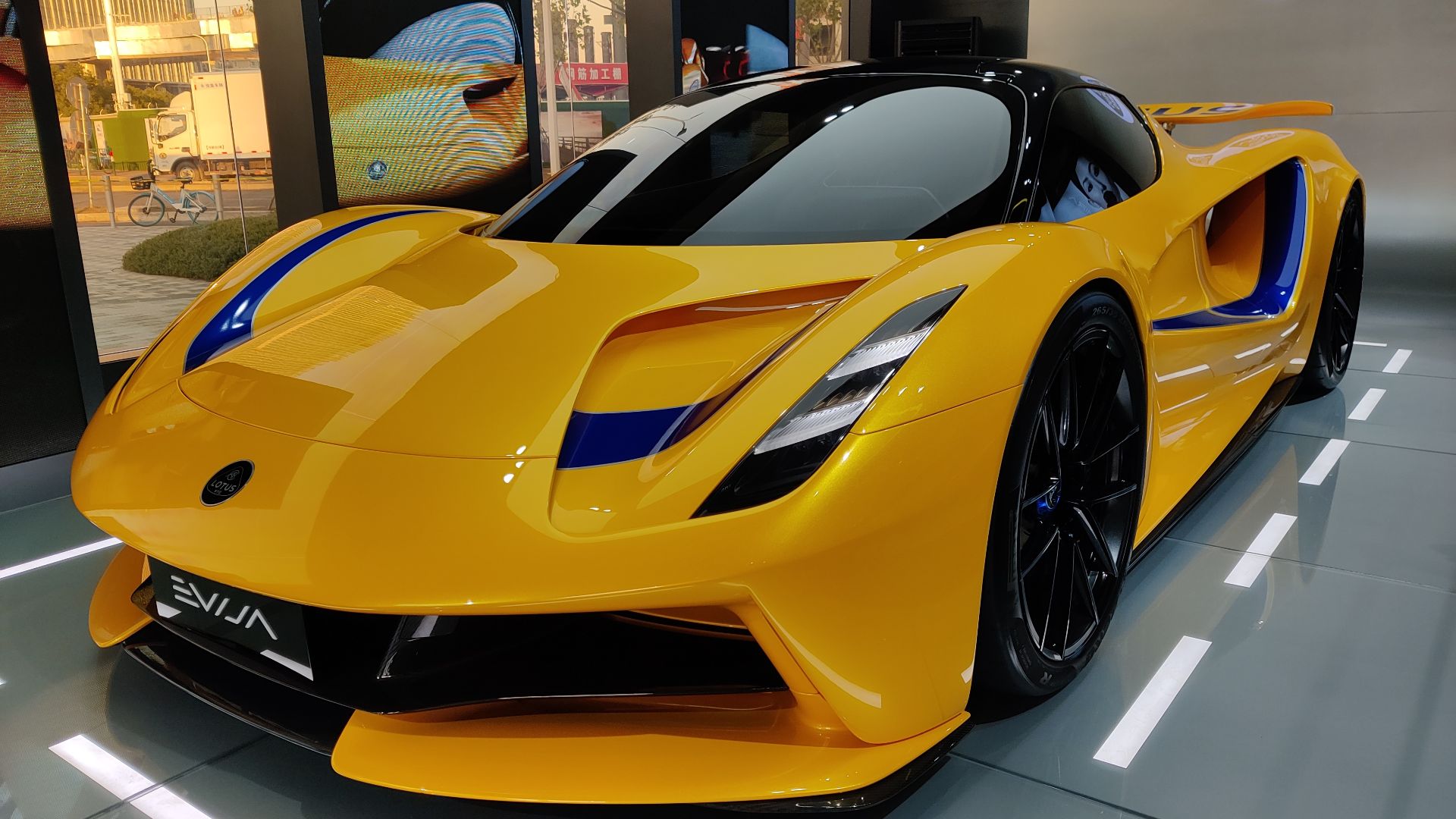
The Lotus Evija exemplifies how electric drama can be taken seriously. Its bodywork features carved-out tunnels, aerodynamic openings, and sculptural surfaces that make it seem as if airflow was involved in the design process. While it is extreme, it demonstrates how electric hypercars can use design as part of their engineering narrative. Even if you never see one at the grocery store, it changes what people imagine an electric sports car can be.
Then there are cars like the MG Cyberster, which bring the electric sports car concept closer to something more accessible and romantic. With roadster proportions, dramatic doors, and a confident visual presence, the Cyberster reminds people that EVs don’t have to look like generic commuting vehicles. The Cyberster matters because it combines style, open-air driving, and electric power into one package. It doesn’t apologize for being electric, which is exactly the right attitude.
The Emotional Side Is Different, Not Gone
The biggest complaint from traditional sports car fans is that electric cars lack soul. This concern makes sense if your idea of soul relies on engine vibrations, exhaust sounds, and the mechanical rhythm of a manual shift. These elements do matter, and no one should pretend that a silent EV delivers the same experience as a naturally aspirated flat-six or a snarling V8. However, different doesn’t mean soulless.
Electric sports cars create emotion in other ways. They offer instant response, surreal acceleration, futuristic cabins, regenerative braking strategies, and a smooth force that combustion cars simply don’t deliver. There’s a unique thrill in pressing the accelerator and feeling the car leap forward without waiting for anything to wake up. It’s less theatrical, perhaps, but not exactly boring.
The best electric performance cars also challenge drivers to rethink what skill means. In a combustion sports car, skill often involves gear selection, clutch control, throttle modulation, and listening to the engine. In an EV, the focus may shift toward managing speed, weight, braking, torque delivery, and corner entry with even more precision. The machine changes, but the challenge doesn’t disappear just because the exhaust pipes do.
The Transition Will Be Messy but Fascinating
None of this means the transition to electric sports cars will be simple. Battery weight, charging infrastructure, cost, range under hard driving, and emotional resistance are all real issues. For example, Porsche’s electric 718 plans have reportedly faced delays and questions as the company balances enthusiast expectations with development costs and market uncertainty. Even major brands know that replacing beloved gasoline sports cars isn’t as easy as swapping a fuel cap for a charging port.
There’s also a reason hybrids are becoming part of the performance conversation. Some automakers are using electrification to add power and response without fully abandoning combustion character. That middle ground may appeal to drivers who want the drama of an engine with the punch of electric assistance. For many petrol heads, the bridge to the future may have both a battery and a very loud start button.
Still, the direction is clear. Electric sports cars are becoming faster, better-looking, and more credible with every new generation. They may not replace every kind of enthusiast car, and there will always be people who treasure gasoline engines for their sound, smell, and mechanical feel. But the idea that electric performance is automatically dull is already outdated.