The Growing Debate Over Disability Accommodations in US Higher Education
Parents and students across the United States are increasingly concerned about the growing trend of students receiving disability accommodations that may not be entirely justified. This issue has sparked a heated debate over whether these accommodations provide a fair advantage or if they undermine the integrity of academic assessments.
For years, students with documented medical or mental health disabilities have been granted extra time and special arrangements to take standardized tests like the SAT and ACT. These accommodations were intended to level the playing field and ensure that all students had an equal opportunity to succeed. However, recent reports suggest that some students are exploiting this system by claiming disabilities that may not meet the criteria for official support.
Conditions such as anxiety, ADHD, irritable bowel syndrome, gluten intolerance, endometriosis, and night terrors have become common reasons for requesting accommodations. While some students genuinely require these supports, others are reportedly using them to gain an edge in competitive college admissions and exams.
Laurie Kopp Weingarten, a college admission consultant, noted that more parents are seeking guidance on how to navigate the accommodation process. She highlighted concerns that families might view extended time as a way to gain a competitive advantage, particularly in high-stakes exams like the ACT. This perception has led to accusations of “pay-to-play” scenarios, where students pay for private evaluations to secure documentation for accommodations.
Dermatologist Adarsh Mudgil, whose daughter attends the University of Virginia, expressed frustration after discovering that many students at her elite Long Island high school received extra time on the ACT without clear justification. He described the practice as “cheating” and warned that it could leave students unprepared for real-world challenges.
Mudgil shared his concerns during a podcast episode titled “Special Accommodation or Cheating?” He criticized the system for allowing students to receive accommodations based on minimal scrutiny. He argued that life does not offer extra time or special allowances, and that students who rely on these benefits may struggle when faced with real-world pressures.
The number of students receiving accommodations has risen significantly in recent years. According to data, the percentage of students taking the ACT with accommodations increased from 4% to 7% since 2013. Meanwhile, the SAT has seen a similar trend, with the percentage of students receiving accommodations rising from 2% to 6% over the past decade.
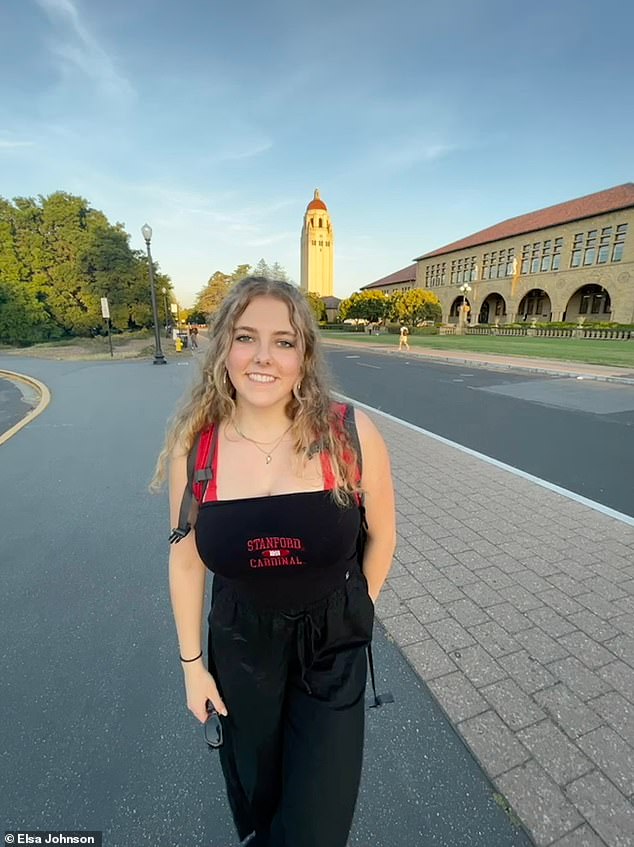
Most colleges do not know whether a student received accommodations when they submit their test scores. However, some institutions have reported high rates of students claiming disabilities. For example, Stanford University was found to have 40% of its students claiming a disability, which some critics called “egregious.”
Elsa Johnson, a Stanford senior, shared her experience of easily obtaining accommodations for her legitimate endometriosis diagnosis. After a short Zoom meeting, she was granted extra absences, a 15-minute tardiness allowance, and single housing in her dorm. She admitted that the process was so simple that she felt it was easy to “game the system.”
Stanford has since acknowledged that its previous reporting practices did not accurately reflect the number of students actually receiving accommodations. The university plans to revise its data reporting to better reflect the true number of students benefiting from these supports.
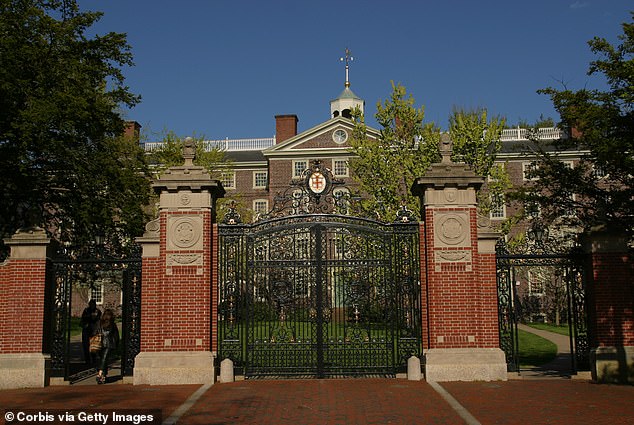
Other top-tier universities are also facing similar issues. At Yale, a psychology professor noted that students are incentivized to take advantage of any available accommodations. Similarly, a cognitive science professor at Brown University argued that excessive accommodations can distort the accuracy of student performance.
At the University of Chicago, Physics Professor Juan Collar highlighted the growing imbalance in the student population due to the widespread use of accommodations. He described the situation as creating a “two-speed” system, where some students benefit from extra support while others do not.
Many students with legitimate disabilities feel conflicted about using accommodations. An anonymous high school student with Asperger’s disorder posted on Reddit asking whether he should feel guilty about receiving extended time on exams. He questioned whether his high scores were truly reflective of his abilities or simply a result of the extra time.
Professors on social media have also raised concerns about the increasing prevalence of accommodations. One educator described how some students were allowed to bring a “word bank” or a handwritten card during exams. Another noted that at least one-third of students in their advanced classes had been granted accommodations, which they found unusual compared to their previous experiences.
Katy Washington, CEO of the Association of Higher Education and Disability, defended the rise in accommodations as a positive shift. She emphasized that the increase reflects a broader cultural recognition of mental health and invisible disabilities, rather than a decline in academic standards.
As the debate continues, the question remains: Are disability accommodations helping students achieve their full potential, or are they being misused to gain an unfair advantage? The answer may depend on how these policies are implemented and monitored in the future.